
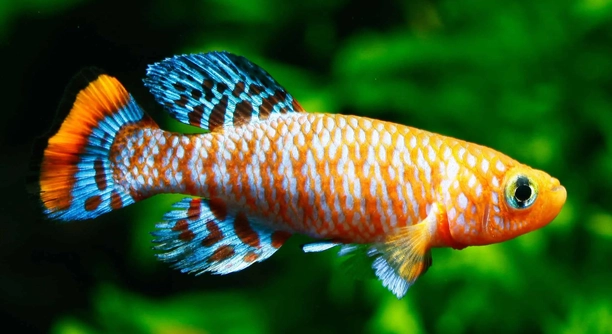
Killifish, or killis, are fascinating little fish with unique habits that often puzzle hobbyists. Their behaviors can seem strange but hold important meanings about their health and environment. Understanding these actions helps in caring for them properly.
Killifish exhibit behaviors such as jumping, color changes, and fin flicking, each signaling different needs or states. These actions often reflect stress, mating readiness, or environmental adjustments necessary for their survival and well-being in captivity.
Exploring these behaviors reveals key insights for keeping killifish healthy and happy in your aquarium. The following points will explain what each strange behavior means.
Jumping and Leaping
Killifish are known to jump out of the water, which can be alarming at first. This behavior often happens when the fish feel stressed or threatened by sudden changes in their environment, such as water quality or tank disturbances. Sometimes, jumping is an instinct to escape predators in the wild. In captivity, it signals discomfort. To prevent injury, make sure the tank has a secure lid and stable conditions. Observing this action early helps catch problems like poor water quality or overcrowding before they worsen.
Jumping usually means the fish is stressed or uncomfortable in its surroundings.
Addressing water parameters and tank setup can reduce jumping. Stable temperature, clean water, and minimal sudden movements help the killifish feel secure. Sometimes adding plants or hiding spots provides comfort and reduces the urge to leap.
Color Changes
Killifish often change colors depending on mood, health, or breeding status. Bright colors typically show good health and readiness to mate, while dull or faded hues can signal stress or illness. These shifts also happen due to changes in lighting or water conditions. Understanding what the color changes indicate allows better monitoring of the fish’s wellbeing. Adjusting their environment or diet might be necessary when dull colors appear.
Color changes serve as communication and health indicators.
These changes give clues about the killifish’s condition and needs. Vibrant colors often mean the fish is healthy and comfortable. During breeding, males may display intensified colors to attract females. Conversely, dullness or irregular patterns may mean stress, disease, or poor water quality. Regularly checking water parameters and providing a balanced diet help maintain healthy coloration. Keeping stress low through gentle handling and a quiet tank environment also supports vibrant colors. Recognizing these signs helps ensure the killifish remains lively and healthy.
Fin Flicking
Fin flicking is a common behavior in killifish that may seem odd but usually signals alertness or mild irritation. It can occur when the fish notices changes in the tank or nearby movement.
This flicking motion helps killifish communicate or express discomfort. Sometimes it shows irritation from water quality issues or the presence of other fish. It might also be part of their routine behavior to stay aware of their surroundings. Watching this behavior over time can reveal if the tank environment is causing stress or if the flicking is simply normal activity.
If fin flicking becomes frequent or paired with other signs of stress, such as hiding or loss of appetite, it is wise to check water conditions. Keeping the tank clean and maintaining stable temperature reduces irritation. Offering plenty of hiding spots also minimizes stress and unnecessary flicking.
Surface Breathing
Killifish sometimes come to the surface to breathe more frequently than other fish. This behavior can be a response to low oxygen levels in the water or poor water quality. They may gulp air at the surface to compensate for insufficient oxygen below.
When killifish show increased surface breathing, it is a warning sign that water needs immediate attention. Checking oxygen levels, filtration, and temperature is essential to fix the problem. Sometimes improving aeration or partial water changes restore balance. Ignoring surface breathing risks harming the fish’s health.
Providing good water flow and adding live plants helps oxygenate the tank naturally. Proper tank maintenance and avoiding overcrowding keep oxygen levels stable. Keeping a regular cleaning schedule is crucial to prevent conditions that lead to surface breathing behaviors.
Tail Twisting
Tail twisting in killifish is often a sign of irritation or discomfort. It can occur when the fish is trying to shake off parasites or react to an unpleasant sensation in the water.
Sometimes tail twisting helps the fish remove debris or signal stress. Watching for this behavior regularly can indicate if the tank environment needs improvement or if treatment is necessary.
Hiding in Plants
Killifish use plants as safe spaces to hide from perceived threats or to rest. This behavior is natural and shows they seek comfort and security in their environment.
A well-planted tank provides essential shelter, helping killifish reduce stress and feel more at ease. It also supports natural behaviors and improves overall health.
Aggressive Displays
Killifish display aggression through flaring fins and chasing other fish. This is especially common during breeding seasons or when defending territory.
Managing tank mates and providing enough space reduces aggressive encounters. Separating males or offering hiding spots helps keep peace and prevents injury.
How often do killifish jump, and should I be worried?
Killifish can jump occasionally, especially when stressed or startled. If it happens once or twice, it’s usually not a big concern. However, frequent jumping often signals problems like poor water quality or tank stress. Ensuring a secure lid and stable environment reduces this behavior significantly.
Why does my killifish change colors suddenly?
Color changes are normal and reflect mood, health, or breeding status. Bright colors usually mean good health and readiness to mate. Sudden dullness can indicate stress, illness, or poor water conditions. Regular water checks and a balanced diet help keep their colors vibrant.
Is fin flicking a sign of illness?
Fin flicking is often a natural response to nearby movement or mild irritation. If it becomes constant and is accompanied by other symptoms like lethargy, it could point to poor water or disease. Monitoring behavior and tank conditions helps determine if action is needed.
What does increased surface breathing mean?
Increased surface breathing usually indicates low oxygen in the tank. It’s a warning to check water quality, filtration, and aeration. Adding plants, improving water flow, or doing partial water changes can restore oxygen levels and keep your killifish comfortable.
Why does my killifish hide so much?
Hiding is normal when killifish feel stressed or want to rest. It’s a natural survival behavior. Providing plenty of plants and hiding spots reduces stress and encourages natural habits. Excessive hiding might also indicate water issues or bullying from other fish.
How can I reduce aggression in my killifish tank?
Aggression is common, especially among males or during breeding. To reduce it, avoid overcrowding and provide plenty of space and hiding places. Separating aggressive fish or choosing peaceful tank mates helps maintain a calm environment and prevents injury.
Are tail twists dangerous for killifish?
Tail twisting itself is not usually harmful but signals irritation or discomfort. It might mean parasites, skin issues, or poor water quality. If tail twisting is frequent, inspect your fish for signs of illness and improve water conditions promptly.
Do killifish need a specific tank setup to reduce strange behaviors?
Yes, a proper tank setup with stable water parameters, secure covers, and plenty of plants helps minimize stress behaviors like jumping, hiding, or fin flicking. Keeping the tank clean and maintaining temperature supports their health and natural behavior.
Can diet affect killifish behavior?
Diet plays a role in behavior and coloration. A varied, nutritious diet helps keep killifish healthy and less prone to stress-related behaviors. Feeding quality live or frozen foods alongside flakes or pellets supports overall wellbeing and vibrant colors.
When should I consult a vet about killifish behavior?
If unusual behaviors persist despite good care—such as constant jumping, hiding, or erratic movements—consulting a vet is wise. Early diagnosis of illness or parasites improves chances for recovery and helps maintain a healthy tank environment.
Understanding the behaviors of killifish helps greatly in providing proper care for these unique fish. Their actions, though sometimes strange, are ways they communicate their needs and respond to their environment. By paying attention to signs like jumping, color changes, or hiding, it becomes easier to spot when something is wrong. This awareness can prevent bigger problems and promote a healthier aquarium.
Maintaining good water quality is essential to reduce stress and unusual behaviors in killifish. Stable temperature, clean water, and proper oxygen levels make a big difference in how comfortable they feel. A well-planted tank with enough hiding spots also supports their natural habits and reduces tension. Feeding a balanced diet tailored to their needs keeps them strong and vibrant. Small changes in care routines often lead to noticeable improvements in behavior.
Taking time to observe your killifish daily creates a better understanding of their normal patterns. This knowledge allows quicker responses to any changes or signs of distress. Remember, strange behaviors often have simple explanations linked to environment or health. With careful attention and proper care, killifish can thrive and display their fascinating behaviors in a calm, safe home.

Hello,
If you enjoy the content that we create, please consider saying a "Thank You!" by leaving a tip.
Every little bit helps us continue crafting quality advice that supports the health, happiness, and well-being of pets around the world, for pets of all shapes, sizes, and species.
We really appreciate the kindness and support that you show us!