
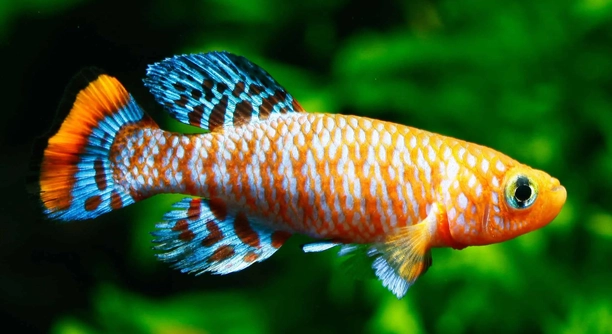
Killifish, or killis, are popular freshwater fish known for their vibrant colors and interesting behaviors. Many hobbyists enjoy keeping them but often overlook how specific water conditions affect their health and well-being. Understanding these factors can improve the care of these beautiful fish.
Killis thrive in water with stable temperature around 72-78°F, slightly acidic to neutral pH (6.0-7.0), low hardness, clean and well-oxygenated conditions, minimal nitrates, moderate water flow, and low levels of dissolved solids. These parameters support their natural habitat needs.
Knowing the right water parameters can help create an environment where killis feel secure and healthy. This article will outline the key factors to maintain for your killis’ best care.
Stable Temperature Range
Maintaining a stable temperature between 72°F and 78°F is essential for killifish health. These fish come from regions with relatively consistent temperatures, so sudden changes can cause stress and illness. A good quality heater with a reliable thermostat helps keep the water temperature steady. Avoid placing the tank near windows or vents where temperature fluctuations are common. Consistent temperature also supports proper metabolism and immune function, helping killis to stay active and vibrant. Watching the temperature daily ensures that your fish live comfortably in their environment.
Temperature instability can lead to weakened immune systems and increased susceptibility to disease in killis.
Keeping the temperature steady requires monitoring, but the benefits are worth the effort. Using a digital thermometer alongside your heater gives a clearer picture of fluctuations. Also, gradual adjustments during seasonal changes help avoid shocking your fish. This approach allows killis to thrive and display their best colors, contributing to a healthier and more enjoyable aquarium.
pH and Water Hardness
Killifish prefer water with a pH ranging from 6.0 to 7.0, which is slightly acidic to neutral. This range matches their natural habitats, often found in soft, tannin-rich waters. Water hardness should be kept low, ideally below 10 dGH. Hard water can cause stress and interfere with their biological processes. Testing kits make it easy to track pH and hardness levels regularly. When needed, water conditioners or natural additives like peat moss can help maintain the ideal water chemistry.
The right pH and hardness ensure killis maintain healthy bodily functions and reproduction capabilities.
Keeping pH and hardness stable is crucial because sudden changes can shock the fish. Tannins from leaves or driftwood help lower pH naturally and soften the water. If tap water is too hard or alkaline, mixing it with distilled water or using reverse osmosis can improve conditions. Regular water changes with proper treatment keep these parameters in balance. Adjusting water chemistry thoughtfully helps killifish flourish and reproduce successfully.
Clean and Well-Oxygenated Water
Clean water with proper oxygen levels is vital for killifish health. Poor water quality stresses fish and increases disease risk.
Using a reliable filtration system helps maintain water clarity and removes harmful substances. Regular water changes keep nitrate levels low and prevent buildup of waste. Aeration or plants increase oxygen levels, which killis need for breathing. Monitoring ammonia, nitrite, and nitrate concentrations is essential to avoid toxic conditions.
Oxygen levels can drop quickly in crowded or poorly aerated tanks. Adding an air stone or surface agitation improves gas exchange. Live plants contribute oxygen during the day and absorb nitrates. Balancing filtration, aeration, and regular maintenance creates a stable environment where killis can thrive without stress from poor water conditions.
Low Nitrate Levels
Nitrates should be kept low, ideally below 20 ppm, to prevent stress and health problems in killifish.
High nitrate concentrations come from waste breakdown and leftover food. Over time, elevated nitrates can weaken immune systems and damage gill function. Testing water weekly helps track nitrate levels. Water changes are the most effective way to reduce nitrate buildup.
Using live plants also helps absorb nitrates naturally. Avoid overfeeding to minimize excess nutrients. Regular tank cleaning and substrate vacuuming remove organic waste. Keeping nitrates low supports killis’ vitality, growth, and breeding success by reducing environmental stressors.
Moderate Water Flow
Killifish prefer gentle water movement that mimics their natural habitat. Strong currents can cause stress and limit their swimming comfort.
A moderate flow helps distribute oxygen and nutrients evenly without disturbing the fish. Adjust filters or add flow diffusers to achieve the right balance.
Dissolved Solids and Minerals
Killifish thrive in water with low dissolved solids and mineral content. High levels can affect their health and breeding success. Using reverse osmosis or distilled water mixed with conditioned tap water helps control these levels. Regular testing ensures water stays within safe limits for killis.
Consistent Monitoring
Regularly checking water parameters is essential to maintain ideal conditions. Tracking changes helps prevent sudden shifts that harm killifish health. Using reliable test kits and keeping a log supports consistent care and early problem detection.
FAQ
What is the ideal temperature range for killifish?
Killifish do best in water temperatures between 72°F and 78°F. Keeping the temperature steady within this range reduces stress and supports their natural behavior. Sudden temperature changes can weaken their immune system and lead to illness.
How often should I test the water parameters for my killis?
Testing weekly is recommended to maintain a stable environment. Regular checks help catch any shifts in pH, hardness, nitrates, and ammonia early. This allows for quick corrections before problems affect the fish’s health.
Can I keep killifish with other fish species?
Killis are generally peaceful but can be territorial during breeding. They do well with small, non-aggressive tank mates. Avoid large or overly active fish that may stress or harm them. Compatibility depends on species and tank conditions.
Why is pH control important for killifish?
Maintaining a slightly acidic to neutral pH (6.0–7.0) matches their natural habitat. Outside this range, killifish can experience stress, reduced activity, and poor breeding success. Stable pH supports their metabolic and reproductive health.
How can I lower water hardness in my tank?
Using peat moss, driftwood, or reverse osmosis (RO) water can soften hard water. Mixing RO water with conditioned tap water helps reach ideal hardness. Regular testing ensures the hardness stays within safe limits for killifish.
What causes high nitrate levels, and how do I reduce them?
Nitrates build up from fish waste, uneaten food, and decaying plants. Frequent water changes, reducing feeding amounts, and cleaning substrate remove excess nitrates. Live plants also absorb nitrates naturally, improving water quality.
Is filtration necessary for killifish tanks?
Yes, filtration is essential to remove toxins and waste. A gentle filter that provides moderate water flow is best. Strong currents can stress killifish, so choose equipment that balances cleaning power with calm water movement.
How important is oxygenation in killifish tanks?
Oxygen levels must be adequate for killis to breathe properly. Aeration through air stones or surface agitation increases oxygen exchange. Live plants also add oxygen during daylight. Poor oxygenation can lead to lethargy and illness.
What signs indicate poor water quality for killifish?
Signs include reduced activity, loss of color, gasping at the surface, and erratic swimming. These symptoms suggest stress caused by poor water conditions such as high nitrates, ammonia spikes, or low oxygen. Immediate water testing and changes are needed.
Can water changes alone maintain ideal conditions for killifish?
Water changes are a crucial part of maintenance but not the only factor. Proper filtration, regular testing, and adjusting water chemistry all contribute to a stable environment. Combining these efforts ensures killifish stay healthy and active.
How do I prepare new water for my killifish tank?
New water should be dechlorinated and adjusted to match tank temperature, pH, and hardness. Using water conditioners removes harmful chemicals. Mixing new water gradually during changes prevents shocking the fish.
Are there specific plants recommended for killifish tanks?
Yes, plants like Java fern, Anubias, and floating species provide shelter and help maintain water quality. They add oxygen and absorb nitrates, creating a balanced and natural environment preferred by killifish.
How can I encourage breeding in killifish?
Maintaining optimal water parameters, including temperature, pH, and hardness, supports breeding. Providing spawning sites like peat moss or fine-leaved plants encourages egg laying. Consistent water quality and minimal disturbances increase success rates.
What common mistakes should be avoided with killifish water care?
Avoid sudden changes in temperature or water chemistry, overfeeding, and infrequent water changes. Using harsh chemicals or neglecting filtration can also harm killifish. Regular monitoring and gentle adjustments protect their health.
Is it necessary to cycle a killifish tank before adding fish?
Yes, cycling establishes beneficial bacteria that break down toxic ammonia and nitrites. Without cycling, water quality deteriorates quickly, harming killifish. Testing ammonia and nitrite levels confirms when the tank is safe for fish introduction.
Maintaining the right water parameters is essential for the well-being of killifish. These fish have specific needs that reflect their natural environment, and meeting these needs helps them stay healthy and active. Paying attention to temperature, pH, water hardness, and cleanliness creates a stable home where killis can thrive. Ignoring these factors can lead to stress, illness, and shorter lifespans for the fish. Consistency is key, so regular monitoring and adjustments are important to keep conditions within the preferred range.
Water quality directly impacts killifish behavior and breeding success. Stable temperature between 72°F and 78°F, slightly acidic to neutral pH, and low hardness levels match the conditions they experience in the wild. Clean and well-oxygenated water with low nitrates supports their immune system and reduces the risk of disease. Keeping water flow moderate also ensures the fish feel comfortable without unnecessary stress. Using good filtration and aeration methods helps maintain these conditions. Small changes in the tank environment can have a big effect on killifish health, so care should be taken when making adjustments.
The effort put into maintaining proper water parameters is worthwhile. Killifish display brighter colors and more natural behaviors when their environment suits them. They are also more likely to breed successfully in water that meets their needs. Following recommended guidelines on temperature, pH, hardness, nitrates, and oxygenation helps create an environment where killis live longer and happier lives. Regular testing, water changes, and using appropriate equipment make this possible. Understanding and respecting their specific water needs is the best way to enjoy these beautiful fish while providing them with a healthy home.

Hello,
If you enjoy the content that we create, please consider saying a "Thank You!" by leaving a tip.
Every little bit helps us continue crafting quality advice that supports the health, happiness, and well-being of pets around the world, for pets of all shapes, sizes, and species.
We really appreciate the kindness and support that you show us!