
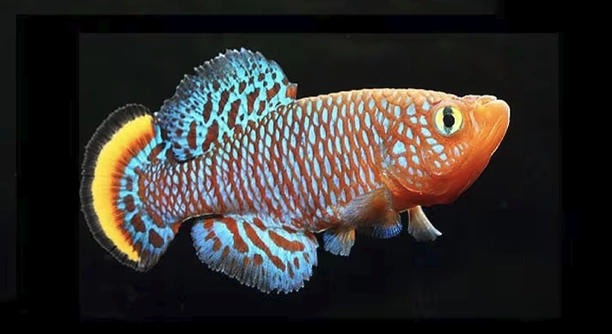
Jumping is a common problem among killifish owners. These small fish can sometimes leap out of their tanks, which puts their safety at risk. Preventing this behavior is important to keep killifish healthy and secure.
The best way to prevent killifish from jumping is to provide a well-covered tank with secure lids. Maintaining proper water conditions and minimizing stress also reduce their tendency to leap. Careful attention to their environment supports their natural behavior safely.
Understanding how to stop killifish from jumping helps create a stable and safe home for them. This article explains practical steps to protect your fish and improve their overall well-being.
Why Killifish Jump
Killifish tend to jump mainly because they feel stressed or threatened. Sudden noises, changes in water quality, or overcrowded tanks can make them try to escape. Sometimes, the water temperature or oxygen levels are not ideal, which can also trigger this behavior. Killifish are naturally active swimmers and might jump if their environment is not comfortable. Poor tank setup, such as a lack of hiding spots or strong water currents, adds to their discomfort. Understanding these reasons helps in creating a better habitat to reduce jumping incidents. Monitoring the tank regularly for any sudden changes is important. This keeps killifish calm and less likely to leap. By paying attention to their needs, you can keep your fish safe and healthy.
Proper water temperature and quality are key to preventing jumping in killifish. Stable conditions help keep them relaxed and less prone to escape attempts.
Killifish are sensitive to their surroundings, so maintaining a peaceful environment is essential. A well-planted tank with hiding places reduces stress. Avoid sudden changes like quick water replacements or loud noises near the tank. Keeping the tank at the right temperature, usually between 72 and 78 degrees Fahrenheit, supports their health. Oxygen levels should be adequate by using an air stone or gentle filtration. Overcrowding makes fish nervous, so space them out properly. Watching their behavior daily helps catch problems early. When killifish feel safe, they are less likely to jump, leading to a more stable home.
How to Secure the Tank Properly
A secure tank lid is the most effective way to prevent killifish from jumping out. It acts as a barrier and keeps them safe.
Choosing the right lid involves making sure it fits tightly and has no gaps. Glass or acrylic lids are good choices, as they prevent fish from slipping through. Some lids have built-in feeding openings, which should close securely after feeding to avoid escapes. Avoid lids that allow too much light or heat buildup. Regularly check the lid for damage or warping. If you use a mesh cover, ensure the holes are small enough to keep killifish contained. A secure lid not only stops jumping but also helps maintain stable water conditions by reducing evaporation. This creates a safer and more comfortable environment for your fish.
Tank Environment Adjustments
Creating a calm environment helps reduce killifish jumping. Avoid strong water currents and provide plenty of hiding spots. Plants and decorations give them places to feel safe.
Killifish respond well to a balanced tank layout. Soft water flow prevents them from being pushed around, which lowers stress levels. Live plants or artificial ones can break the line of sight, making fish feel secure. Rocks, caves, or floating plants also offer shelter, reducing their urge to jump. Regularly cleaning the tank and checking water parameters like pH, ammonia, and nitrate keep conditions stable. Stress from poor water quality is a common cause of jumping, so prevention is key.
Keeping the lighting consistent also helps. Avoid sudden bright lights or rapid changes, which can startle killifish. Using a timer for aquarium lights creates a predictable day-night cycle. This steadiness contributes to their comfort and decreases the chance of them leaping out.
Feeding and Handling Practices
Feeding killifish gently reduces stress. Avoid sudden movements or loud noises during feeding time, as these can trigger jumping. Use a feeding schedule to keep them calm.
When handling killifish or working inside the tank, be slow and deliberate. Quick motions can scare them. Use tools carefully to prevent sudden water disturbances. Small amounts of food spread out over several feedings prevent overfeeding and water pollution, which helps maintain better water quality. Calm feeding routines support their well-being and minimize stressful moments that lead to jumping. Consistency in care fosters a safer environment and healthier fish overall.
Monitoring Water Quality
Regular water testing is essential to prevent jumping. Keep ammonia and nitrite at zero and maintain stable pH levels. Sudden changes can stress killifish and cause them to leap.
Perform partial water changes weekly to keep the tank clean. Using a reliable test kit helps track water parameters effectively. Consistency is important for their health and comfort.
Avoid Overcrowding
Overcrowding increases stress and competition for space, which encourages jumping. Maintain an appropriate number of killifish based on tank size. This helps reduce aggression and stress among the fish.
Use Floating Plants
Floating plants provide shade and reduce light intensity. They create a more secure atmosphere, which discourages jumping behavior.
Keep Noise Low
Killifish are sensitive to noise. Keeping the aquarium area quiet helps reduce stress and jumping incidents.
FAQ
Why do killifish jump out of the tank?
Killifish jump mainly because they feel stressed or uncomfortable. Causes include poor water quality, sudden noises, improper tank setup, or lack of hiding places. They might also try to escape if the water temperature or oxygen levels are not right. Jumping is a natural reaction to threats or discomfort in their environment.
How can I stop my killifish from jumping?
The most effective way is to secure the tank with a tight-fitting lid. Also, maintaining good water quality, stable temperature, and reducing stress with a calm environment helps. Adding plants and hiding spots makes them feel safe, lowering their urge to jump.
Is it okay to keep killifish in a tank without a lid?
No, it’s not recommended. Killifish are known jumpers, so an open tank increases the risk of injury or death. A secure lid protects them and keeps the tank environment stable.
What water temperature is best for killifish?
Most killifish thrive between 72 and 78 degrees Fahrenheit. Keeping the temperature steady within this range reduces stress. Sudden changes can cause them to jump or act nervously.
How often should I test the water?
Testing once a week is ideal for maintaining safe ammonia, nitrite, and nitrate levels. Regular checks help catch problems early before they cause stress or illness.
Can overcrowding cause jumping?
Yes, overcrowding increases stress and competition for space. This can lead to aggression and cause killifish to jump to escape crowded conditions. Providing enough space is important.
Do killifish jump more during feeding?
Sometimes. Sudden movements or vibrations during feeding can startle them. Feeding calmly and gently reduces this risk. Spread small amounts over several feedings for better water quality and fish comfort.
Are certain killifish species more prone to jumping?
Some species are more active and may jump more often. However, all killifish can jump under stressful conditions. Preventive care is necessary regardless of species.
Can floating plants really prevent jumping?
Yes, floating plants reduce light intensity and provide shade, making fish feel more secure. This helps lower stress and jumping behavior.
What should I do if a killifish jumps out?
Act quickly by gently returning it to the tank. Check the fish for injuries and monitor it closely for signs of stress or illness. Review tank conditions to prevent future jumping.
Final Thoughts
Preventing killifish from jumping requires attention to several key factors in their care. Providing a secure lid for the tank is the most straightforward and effective way to stop fish from escaping. This simple step protects the fish from injury and keeps the tank environment stable. Along with this, maintaining good water quality is essential. Regular testing and water changes help ensure ammonia, nitrite, and nitrate levels stay safe. Stable water temperature and oxygen levels also play a big role in keeping killifish calm and less likely to jump.
Creating a comfortable tank environment is important too. Killifish need places to hide and feel secure, which can be provided with plants, rocks, or decorations. Avoiding strong water currents helps prevent stress, as killifish prefer gentle flow. Lighting should be consistent, without sudden bright flashes or rapid changes, since these can startle the fish. Feeding routines matter as well; gentle, calm feeding reduces stress and lowers the chance of jumping. Small, frequent feedings help maintain good water quality and keep the fish relaxed.
Overall, preventing jumping is about understanding and meeting the needs of killifish. Attention to tank setup, water quality, and daily care routines creates a safer and healthier environment. Observing the fish regularly can help catch issues early and reduce stress factors that cause jumping. With proper care, killifish can thrive without risking their safety through jumping. This approach benefits both the fish and the keeper, resulting in a more enjoyable and successful aquarium experience.

Hello,
If you enjoy the content that we create, please consider saying a "Thank You!" by leaving a tip.
Every little bit helps us continue crafting quality advice that supports the health, happiness, and well-being of pets around the world, for pets of all shapes, sizes, and species.
We really appreciate the kindness and support that you show us!