
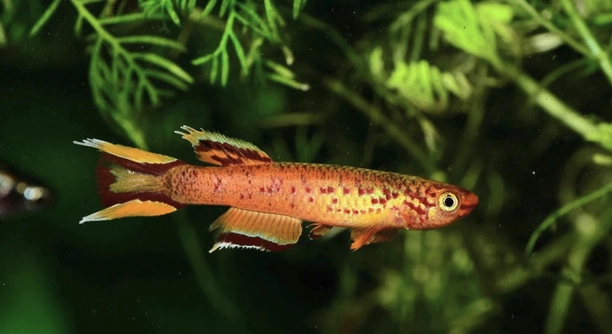
Are your killifish not showing their usual bright colors despite good care? Many fish enthusiasts notice this issue and wonder why their aquatic pets look dull instead of vibrant. Understanding the reasons behind this can improve your killifish’s appearance.
Killifish lose their coloration primarily due to stress, poor water quality, inadequate diet, or insufficient lighting. Environmental factors directly affect their health, and maintaining optimal tank conditions with proper nutrition and light cycles is essential for restoring their natural colors.
Recognizing these factors will help you create a healthier environment for your killifish and improve their coloration over time. The following details will guide you through common causes and practical solutions.
Stress and Its Impact on Killifish Coloration
Stress is a major factor that can cause killifish to lose their vibrant colors. Changes in their environment, such as sudden water temperature shifts, overcrowding, or aggressive tank mates, can make them feel threatened. When stressed, killifish produce hormones that dull their colors as a survival mechanism. Additionally, frequent handling or noisy surroundings can add to their discomfort. Keeping their tank stable and calm helps reduce stress and allows their natural colors to return. Avoid sudden changes in water conditions and provide hiding spots to make them feel safe.
Reducing stress requires consistent care and a peaceful environment for your killifish to thrive.
Understanding how stress affects coloration helps in adjusting tank conditions to support your fish’s well-being. Proper tank setup and minimal disturbances encourage healthy behavior and brighter colors. Make sure your tank has enough space, gentle filtration, and plants for shelter. Maintaining steady water parameters and avoiding overcrowding are key steps. Over time, these changes can lead to noticeable improvements in your killifish’s appearance and overall health.
Water Quality and Lighting
Poor water quality directly affects the health and color of killifish. High levels of ammonia, nitrites, or nitrates can stress fish and fade their colors. Clean water with regular changes is essential for their well-being.
Maintaining proper lighting mimics their natural habitat and encourages coloration. Use full-spectrum lights on a consistent schedule of 10-12 hours daily. Avoid overly bright or dim lighting, which can cause stress or inactivity. Balanced lighting enhances pigment development and makes colors stand out more. Adjust light intensity to suit the species and tank setup for best results.
Diet and Nutrition
A poor diet can cause killifish to lose their bright colors. Providing a balanced and varied diet is essential for their pigmentation.
Killifish need foods rich in carotenoids and other pigments to maintain vibrant colors. Live or frozen foods such as brine shrimp, daphnia, and bloodworms help boost their coloration. Including high-quality flakes or pellets designed for carnivorous fish ensures they receive necessary nutrients. Avoid feeding only one type of food, as this can lead to deficiencies and dull colors. Regularly offering a mix of protein-rich foods supports overall health and helps colors stay vivid.
Supplementing their diet with color-enhancing foods over time will improve their appearance. Nutritional balance also strengthens their immune system, reducing illness that could affect their coloration.
Tank Environment and Maintenance
Tank cleanliness and proper maintenance are vital to keep killifish healthy and colorful. Regular water changes prevent buildup of harmful substances that dull colors.
Consistent maintenance routines, including gravel vacuuming and filter cleaning, keep the environment stable. A well-maintained tank reduces stress and promotes natural behaviors, which encourage vibrant coloration. Adding live plants not only offers hiding spots but also helps maintain water quality by absorbing nitrates. Monitoring water parameters weekly ensures conditions stay within the ideal range for killifish. A clean, stable environment supports their immune system, making colors more intense and noticeable.
Temperature and Its Effects
Temperature changes can cause killifish to lose their coloration. Keeping the water within their preferred temperature range is important.
Sudden drops or spikes in temperature stress the fish and affect pigment cells. Maintaining a stable temperature between 72°F and 78°F supports healthy coloration and overall well-being.
Genetics and Coloration Limits
Some killifish naturally have less vibrant colors due to their genetic makeup. Not all species or strains display bright hues, and this is normal. Genetic factors set the limits for how much color a killifish can show, regardless of care.
Age and Color Changes
As killifish age, their colors may naturally fade or change. This is a common process and does not always indicate poor health.
FAQ
Why are my killifish colors fading after moving to a new tank?
Moving to a new tank causes stress, which can make killifish lose their colors temporarily. Changes in water chemistry, temperature, or lighting also play a role. It takes time for fish to adjust and regain their colors once stable conditions return. Ensuring the new tank matches their previous environment helps speed recovery.
How long does it take for killifish to regain color?
The time varies depending on the cause. With proper care, colors may improve within a few days to a few weeks. Stress reduction, stable water parameters, and a nutritious diet all help. Patience is important since rapid changes can worsen their condition.
Can poor water quality cause permanent color loss?
Poor water quality mainly causes temporary color fading due to stress and illness. If untreated, long-term exposure to bad conditions can harm health and pigment cells, possibly causing permanent damage. Regular water testing and changes prevent this.
What foods enhance killifish coloration?
Foods rich in carotenoids like brine shrimp, bloodworms, and daphnia help enhance colors. High-quality flakes or pellets formulated for carnivorous fish also provide essential nutrients. Avoid feeding only one type of food for balanced nutrition.
Does lighting affect killifish color intensity?
Yes, proper lighting is important for natural coloration. Full-spectrum lighting with a consistent day-night cycle encourages pigment development. Too bright or too dim light can cause stress or dull colors. Adjust lighting to suit the species.
Are certain killifish species naturally less colorful?
Some species or strains have more muted colors due to genetics. These natural variations mean not all killifish will be brightly colored, even in ideal conditions. It’s important to recognize the limits set by genetics.
Can stress from tank mates affect coloration?
Aggressive or overly active tank mates can stress killifish, causing color loss. Providing peaceful companions and enough hiding spaces reduces stress and promotes better coloration.
Is temperature fluctuation harmful to killifish color?
Yes, temperature swings cause stress and dull colors. Maintaining a stable range between 72°F and 78°F helps keep killifish healthy and colorful. Sudden changes should be avoided.
Why do older killifish lose their vibrant colors?
Aging naturally affects pigmentation, causing colors to fade or shift over time. This process is normal and does not always mean the fish is unhealthy.
Can illness cause killifish to lose color?
Illness can weaken killifish and reduce their coloration. Parasites, bacterial infections, or poor conditions often cause stress and color loss. Prompt diagnosis and treatment improve recovery chances.
How often should I clean the tank to maintain color?
Regular maintenance, including weekly water changes of 20-30%, keeps water clean and stable. Cleaning filters and substrate monthly helps prevent harmful buildup that stresses fish and dulls their colors.
Can hiding spots improve coloration?
Yes, hiding spots reduce stress by offering security. Plants, caves, or decorations provide refuge, helping killifish feel safe and display better colors.
Does overfeeding affect killifish coloration?
Overfeeding can degrade water quality, leading to stress and faded colors. Feeding small amounts once or twice daily and removing uneaten food helps maintain clean water and healthy fish.
Is breeding related to color changes?
During breeding, male killifish often show brighter colors to attract females. After breeding, colors may fade temporarily but usually return with good care.
Can water hardness influence killifish color?
Water hardness can impact pigment expression. Many killifish prefer soft to moderately hard water. Testing and adjusting hardness to species needs supports healthy coloration.
Killifish coloration depends on several factors that all work together. Stress, water quality, diet, lighting, and tank conditions all affect how bright your fish’s colors appear. If one area is lacking, your killifish may look dull even if other care aspects are good. It is important to maintain balance across these areas to help your fish show their natural beauty. Paying attention to small details, like consistent water temperature and gentle tank mates, can make a big difference over time.
Color changes in killifish are often temporary and can improve with proper care. When you notice fading colors, it usually means something in their environment needs adjustment. Taking steps such as improving water quality, providing a nutritious diet, and reducing stress can help restore their colors. Patience is key because killifish may take time to respond to changes. Sometimes natural factors like genetics or age influence coloration, which means not every fish will have the same brightness regardless of care.
Overall, caring for killifish requires observing their behavior and environment carefully. Small changes in tank setup, maintenance, or feeding can have a positive impact on their colors. Keeping a stable and comfortable environment supports their health and natural appearance. By understanding the reasons behind color loss, you can make informed decisions to improve their care. This attention to detail helps ensure your killifish remain healthy and colorful for a long time.

Hello,
If you enjoy the content that we create, please consider saying a "Thank You!" by leaving a tip.
Every little bit helps us continue crafting quality advice that supports the health, happiness, and well-being of pets around the world, for pets of all shapes, sizes, and species.
We really appreciate the kindness and support that you show us!