
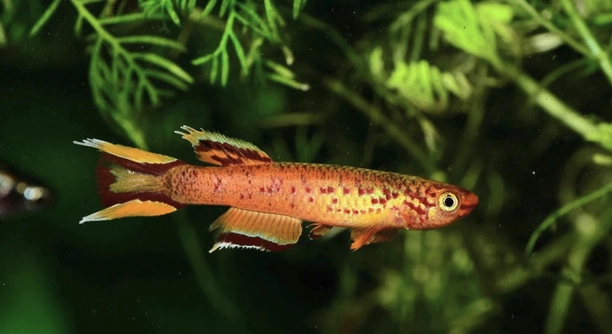
Are your killifish looking a little stressed or acting differently than usual, even though you’re trying your best to care for them?
The most common reason killifish become stressed is due to overlooked care mistakes. Water conditions, tank setup, feeding routines, and incompatible tank mates can all play a role in affecting their health and behavior.
From small changes in your routine to easily missed details, learning how to avoid these mistakes can help your killifish feel more comfortable and thrive in their environment.
Poor Water Quality
Killifish are sensitive to changes in water quality. Ammonia, nitrite, and nitrate levels that are even slightly off can lead to stress and illness. If your tank isn’t cycled properly or lacks regular maintenance, your killifish may start showing signs like faded color, clamped fins, or rapid breathing. Many people assume clean water means clear water, but invisible toxins can build up quickly. Test the water weekly, and make sure to do partial water changes often. Use a good filter suited for your tank size, and avoid overfeeding, which can cause waste to build up faster.
Water that looks clean might still be unsafe. Regular testing ensures ammonia, nitrite, and nitrate stay within safe ranges, keeping your killifish calm and healthy.
If your fish are acting off, the water should be the first thing you check. A simple test can reveal what’s wrong. The quicker you spot problems, the faster you can fix them. Always dechlorinate tap water, and rinse filter media in tank water to keep beneficial bacteria alive. These small habits go a long way in creating a safer home for your killifish. Stability is key—sudden shifts in parameters can cause more harm than slow change. Keep things steady and clean.
Incompatible Tank Mates
Some fish just don’t get along, especially with killifish. Mixing species without research can lead to stress and injuries.
Killifish tend to do best either alone or with peaceful species that share similar water needs. Aggressive or overly active tank mates can chase or nip at them, leading to constant stress. Even fish that seem calm can create problems if they outcompete killifish for food or invade their space. It’s also important to consider the size of the tank. In smaller setups, territorial behavior increases, and stress becomes unavoidable. Always research compatibility before adding new fish, and observe closely after introducing any new tank mates. If you see signs of conflict, it’s better to rehome or separate them. Some keepers prefer species-only tanks for this reason. When in doubt, it’s safest to stick to a setup that centers around your killifish’s needs. They thrive in peaceful environments with room to swim and space to rest.
Incorrect Temperature Range
Killifish need stable temperatures to stay healthy. Water that’s too warm or too cold can quickly cause stress. Fluctuations can also weaken their immune system, making them more vulnerable to disease.
Most killifish prefer temperatures between 72°F and 75°F, though some species have slightly different needs. It’s important to research the specific type you have and adjust your heater or room temperature accordingly. Avoid placing tanks near windows or vents, as this can cause daily shifts. Even a few degrees of change can affect their activity levels and feeding habits. Use a reliable aquarium thermometer to monitor the temperature consistently. A heater with a built-in thermostat can help you maintain stable conditions. If you need to cool the water, small fans aimed at the surface can help. Stability matters more than hitting an exact number, so focus on keeping things even.
If your killifish are hiding more, eating less, or swimming oddly, temperature may be the issue. Cold water can slow their metabolism and dull their colors. Overheating can reduce oxygen levels and leave them gasping near the surface. Always check your heater regularly for faults. If the room temperature changes often, consider a temperature controller for added precision. Proper setup keeps your killifish relaxed and active year-round.
Poor Tank Layout
A bare or overcrowded tank leaves killifish feeling exposed. Without the right setup, they become anxious and more likely to hide or dart around nervously.
Killifish thrive in tanks with soft lighting, gentle flow, and plenty of hiding places. Live or silk plants, driftwood, and caves help reduce stress by giving them areas to rest or retreat. Floating plants are especially useful, as they mimic the shaded environments many species come from. The layout should also allow open swimming areas, as killifish enjoy exploring. Avoid sharp decorations that could damage their delicate fins. Keep the tank clean, but don’t remove all algae—some species graze on biofilm. A thoughtful setup doesn’t need to be fancy. Just focus on balance and comfort. If your fish are always hiding or pacing the glass, the layout might be the reason. A few simple changes can help them feel safer and behave more naturally.
Overfeeding
Feeding too often or giving too much at once can cloud the water and raise ammonia levels. Leftover food breaks down quickly, harming water quality and stressing your killifish without you noticing right away.
A small amount once or twice a day is usually enough. Their stomachs are tiny, and they do better with light meals. Remove any uneaten food within a few minutes to keep the tank clean and healthy.
Inconsistent Lighting Schedule
Killifish need a regular day and night cycle to stay calm and active. Leaving the lights on too long or turning them on and off at random times can disturb their rhythm. A basic timer keeps things consistent and helps reduce unnecessary stress in their daily routine.
Lack of a Lid or Cover
Killifish are known jumpers. Without a secure lid, even a small gap can lead to disaster. A tight-fitting cover keeps them safe and prevents sudden escapes.
FAQ
How often should I change the water for my killifish?
Regular water changes are crucial to keep your killifish healthy. Aim for changing about 20-30% of the tank water once a week. This helps remove toxins like nitrates and refreshes minerals your fish need. If your tank is smaller or heavily stocked, you might need to change water more frequently. Always use dechlorinated water and try to match the temperature to avoid shocking your fish.
What is the best diet for killifish?
Killifish thrive on a varied diet. They enjoy live foods such as brine shrimp, daphnia, and bloodworms. Freeze-dried or frozen versions of these foods are good alternatives if live ones aren’t available. You can also offer high-quality flake or pellet food made for carnivorous fish. Feeding a mix helps provide balanced nutrition. Avoid overfeeding, and remove any uneaten food to keep the tank clean.
Can killifish live with other fish?
Killifish can live with certain peaceful species that have similar water needs, but many prefer to be kept alone or in species-only tanks. Avoid aggressive or fast-swimming fish that may stress or injure them. Small tetras, rasboras, and some dwarf cichlids can sometimes be compatible, but it depends on the species of killifish. Always monitor for signs of stress or aggression and be prepared to separate them if needed.
How do I know if my killifish is stressed?
Signs of stress include hiding constantly, clamped fins, faded colors, erratic swimming, or loss of appetite. Stress can also weaken their immune system, making them more prone to disease. If you notice these signs, check water quality, tank mates, temperature, and feeding habits. Improving any of these areas often helps your killifish recover quickly.
What temperature is best for my killifish?
Most killifish species prefer temperatures between 72°F and 75°F (22°C to 24°C). Some species may tolerate slightly different ranges, so researching your specific killifish is important. Avoid sudden temperature changes and keep the tank stable with a reliable heater and thermometer.
How big should my killifish tank be?
A minimum of 10 gallons is recommended for a single killifish or a small group, depending on the species. Killifish appreciate having space to swim and hiding spots. Larger tanks also help maintain stable water parameters, which reduces stress. Overcrowding can lead to aggression and poor water quality, so avoid putting too many fish in a small space.
Is it necessary to have live plants in a killifish tank?
Live plants are not strictly necessary but highly beneficial. They provide hiding spots and reduce stress by mimicking the killifish’s natural environment. Plants also help improve water quality by absorbing nitrates. Floating plants offer shade and make the fish feel safer. If live plants are difficult to care for, silk plants are a gentle alternative.
Why does my killifish jump out of the tank?
Killifish are natural jumpers, especially when stressed or startled. A lack of hiding places, poor water quality, or unsuitable tank mates can make them try to escape. A secure lid or cover is essential to prevent injuries or loss. Adding floating plants and decorations can help reduce the urge to jump by making them feel safer.
How do I cycle a tank for killifish?
Cycling means establishing beneficial bacteria that break down toxic ammonia and nitrites. You can cycle your tank by adding a small amount of fish food or pure ammonia and testing water regularly. This process takes about 4-6 weeks. Only add killifish once ammonia and nitrite levels drop to zero, and nitrates remain low. Cycling prevents toxic buildup and keeps fish healthy.
What should I do if my killifish shows signs of disease?
If your killifish looks sick or behaves oddly, start by testing water quality. Many diseases are linked to poor water conditions. Quarantine affected fish to avoid spreading illness. Treatment depends on the disease but may include medication, water changes, and improving tank conditions. Research the specific symptoms and act quickly to increase the chance of recovery.
Keeping killifish healthy requires attention to several important details. Many common problems come from mistakes that are easy to fix once you know what to look for. Proper water quality is the foundation of good care. Testing the water regularly and performing consistent changes help keep toxins low and create a stable environment. Temperature must also be steady and suited to the species you keep. Sudden shifts or extremes can quickly cause stress and illness. When you combine clean water with stable temperature, your killifish will have a much better chance to thrive.
The way you set up the tank matters too. Killifish need hiding places and some open space to swim comfortably. Plants, driftwood, and soft lighting make the environment feel safer for them. They do not do well in bare or overcrowded tanks. Overfeeding and poor feeding habits can also cause water issues that harm your fish. Feeding just the right amount and removing uneaten food keeps the water clean and reduces stress. Finally, tank mates should be chosen carefully. Aggressive or fast fish can disturb killifish and lead to constant stress or injury. Sometimes, a species-only tank is the best option to keep your killifish calm and healthy.
Caring for killifish is rewarding when you provide the right conditions and avoid common mistakes. Paying close attention to their needs will help you notice problems early and take action. Small changes in your routine often make a big difference. Keeping the water clean, stable, and comfortable will reduce stress and help your killifish show their natural colors and behavior. With patience and care, your killifish can live a long, healthy life and bring enjoyment to your tank. Remember, consistent care and observation are key to success with these beautiful fish.

Hello,
If you enjoy the content that we create, please consider saying a "Thank You!" by leaving a tip.
Every little bit helps us continue crafting quality advice that supports the health, happiness, and well-being of pets around the world, for pets of all shapes, sizes, and species.
We really appreciate the kindness and support that you show us!