
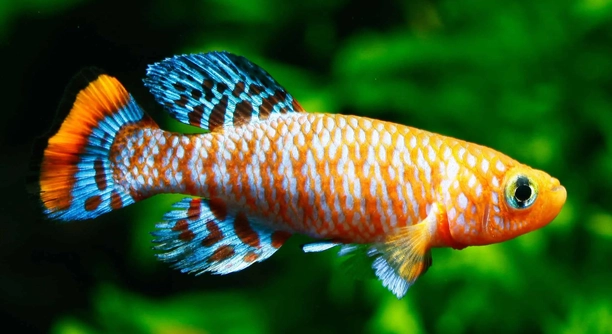
Killi fish are small, colorful freshwater fish that many hobbyists enjoy keeping. Setting up a tank for them can be simple yet rewarding. A good tank layout supports their natural behavior and keeps them healthy.
Choosing the right tank layout for killi fish involves providing hiding spots, plants, and open swimming areas. A balance of these elements mimics their natural habitat and reduces stress, promoting better health and activity.
These layout ideas can help create a comfortable environment that highlights your killi fish’s unique traits and encourages natural behavior.
Natural Plant Layout
A tank with plenty of natural plants offers a great environment for killi fish. These plants provide hiding places, reduce stress, and improve water quality by absorbing toxins. Using a mix of floating and rooted plants creates different layers, mimicking the fish’s natural habitat. Plants like Java moss, Anubias, and floating duckweed work well. It’s important to leave enough open swimming space so the fish can move freely. Avoid overcrowding the tank with too many plants, as it can limit oxygen flow and swimming room. Regular maintenance, such as trimming and removing dead leaves, helps keep the tank healthy. Plant roots also provide surfaces for beneficial bacteria, which help break down waste. This setup encourages natural behaviors like exploring and resting among the leaves. With the right balance, plants will enhance both the look of your tank and the wellbeing of your killi fish.
Plants improve the tank’s appearance and contribute to a healthier, more natural environment for your killi fish to thrive in.
A well-planted tank can reduce stress and provide essential cover. This helps killi fish feel safe and active, resulting in better colors and overall health. It also encourages breeding by creating a natural setting similar to their original habitat. If you want to add some variety, mix tall and short plants for depth and dimension. Remember to keep the tank clean and maintain water conditions suitable for both plants and fish. This layout is ideal for beginners and experienced keepers alike who want to support their fish naturally.
Minimalist Open Space Layout
Minimalist tanks focus on open swimming areas with few decorations. This layout provides killi fish with plenty of room to swim and display natural behaviors. Keeping the tank mostly bare makes it easier to clean and monitor fish health. Some smooth stones or a single piece of driftwood can add interest without clutter. Lighting should be gentle to avoid stressing the fish. This setup works well for fish that prefer open water and constant movement. Minimalist tanks need regular water changes and careful monitoring to keep water quality high. This style highlights the fish themselves, making their colors and movements stand out. It is simple but effective for those who want a clean look without sacrificing fish comfort.
Minimalist layouts highlight killi fish’s colors and movements, while providing space for healthy activity.
Open tanks require careful maintenance, but they offer freedom and visibility. Without many hiding places, fish rely on their swimming speed and alertness. You can add plants or decorations later as you learn your fish’s preferences. This layout is often chosen to reduce algae buildup and keep tanks easy to manage. If you want a modern, low-maintenance tank that still supports your killi fish’s needs, this design is a strong choice.
Driftwood and Rock Layout
Driftwood and rocks create natural hiding spots and resting areas for killi fish. These hardscape elements add texture and interest to the tank without overcrowding it.
Driftwood provides shade and surfaces for beneficial bacteria, which help maintain water quality. Rocks create caves and crevices where fish can feel secure and hide when stressed. Make sure all decorations are aquarium-safe and have no sharp edges to avoid injury. Arrange these elements carefully to maintain open swimming space. This layout balances structure with freedom, encouraging natural exploration and reducing aggression. Regular cleaning is necessary to prevent algae buildup on driftwood and rocks.
Using driftwood and rocks makes the tank look natural and supports killi fish behavior. It also adds contrast that highlights their colors and movement. This setup works well for keepers wanting a natural but simple environment.
Floating Plants Focus
Floating plants soften the tank’s appearance and provide shade, which helps reduce stress for killi fish. They also create a natural cover and help control light intensity.
Floating plants like duckweed, water lettuce, and frogbit offer a canopy that filters light and gives fish a feeling of safety. These plants reduce nitrate levels and improve water quality by absorbing excess nutrients. Because they cover the water surface, they limit evaporation and reduce algae growth. Floating plants encourage shy killi fish to come out by giving them hiding spots near the surface. Regular thinning is important to prevent overgrowth, which can block oxygen exchange. This layout suits tanks where light control and natural shading are priorities. It works especially well in bright rooms or tanks with strong lighting.
Leaf Litter Layout
Leaf litter creates a soft, natural substrate that mimics the forest floors where many killi fish originate. It provides shelter and encourages natural foraging behavior.
As the leaves break down, they release beneficial tannins that lower pH and improve water conditions. This setup also supports microfauna that serve as food for the fish.
Low Light Layout
Low light tanks help reduce stress for shy or nocturnal killi species. Using dim lighting and shaded areas allows fish to feel secure and display natural behaviors more often.
Low light encourages slow, relaxed swimming and reduces algae growth. It also supports plants like Java fern and moss, which thrive with less light and add natural cover.
Mixed Substrate Layout
Combining sand, gravel, and leaf litter creates a varied floor for killi fish. This variety supports digging, exploring, and natural behaviors.
The different textures also support beneficial bacteria and plant roots, improving overall tank health.
Compact Tank Layout
A smaller tank with carefully chosen decorations can be effective for killi fish. Compact setups require frequent maintenance but can create cozy, secure environments for the fish.
FAQ
What size tank is best for killi fish?
Killi fish generally do well in tanks starting at 10 gallons. This size provides enough space for swimming and allows you to create a balanced environment with plants and decorations. Larger tanks give more stable water conditions but require more maintenance.
How often should I change the water?
Perform weekly water changes of about 20-30% to keep the water clean and healthy. Killi fish are sensitive to poor water quality, so regular partial changes help maintain stable parameters without shocking the fish.
Can killi fish live with other species?
Killi fish can sometimes live with peaceful, small species. However, they may show territorial behavior, especially males. Avoid keeping them with aggressive or much larger fish to prevent stress and injury.
Do killi fish need live plants?
Live plants are highly recommended. They provide hiding places, improve water quality, and create a natural environment. Some hardy plants like Java moss and Anubias grow well and require low maintenance.
How do I create hiding spots in the tank?
Use plants, driftwood, rocks, and leaf litter to create safe hiding places. These reduce stress and encourage natural behaviors. Make sure hiding spots are easily accessible and do not overcrowd the tank.
What water parameters do killi fish prefer?
Killi fish thrive in slightly acidic to neutral water, with pH between 6.0 and 7.0. Temperatures should range from 72°F to 78°F (22°C to 26°C). Regular testing helps keep conditions stable.
Is lighting important for killi fish tanks?
Lighting should be moderate or low, depending on the species. Too much light can stress the fish and encourage algae growth. Floating plants or shaded areas help control light levels naturally.
How can I encourage breeding in my killi fish?
Provide a well-planted tank with plenty of hiding spots and stable water parameters. Slightly cooler temperatures and regular water changes can trigger spawning. Some species need soft water or specific plants for laying eggs.
Are decorations necessary in a killi fish tank?
While not strictly necessary, decorations help create a natural and comfortable environment. They provide shelter, reduce aggression, and make the tank more interesting to watch.
Can I use artificial plants?
Artificial plants can be used but do not offer the same benefits as live plants. They don’t improve water quality or provide microhabitats. If using artificial plants, choose soft, smooth ones to avoid damaging fish fins.
Creating the right tank layout for killi fish is important for their health and happiness. Whether you choose a planted tank, a minimalist design, or one with driftwood and rocks, the key is to provide a balanced environment. Killi fish need places to hide and swim freely. This helps reduce stress and encourages natural behaviors. Paying attention to water quality, lighting, and tank decorations will make a big difference in how your fish live and thrive.
Each layout idea has its benefits. A planted tank offers shelter and improves water conditions, while a minimalist layout keeps things simple and easy to clean. Adding driftwood and rocks gives your tank a natural look and creates hiding spots. Floating plants help control light and provide shade, making shy fish feel safe. Leaf litter adds a soft natural floor and helps keep the water healthy. Choosing the right layout depends on your space, time, and the specific needs of your killi fish species.
Maintaining a killi fish tank requires some care and regular upkeep. Water changes, trimming plants, and cleaning decorations keep the tank healthy. Observing your fish helps you understand what they need and how they react to their environment. By creating a thoughtful tank layout and keeping good maintenance habits, you can enjoy watching your killi fish display their colors and behaviors. A well-planned tank will give your fish a comfortable home where they can live long and healthy lives.

Hello,
If you enjoy the content that we create, please consider saying a "Thank You!" by leaving a tip.
Every little bit helps us continue crafting quality advice that supports the health, happiness, and well-being of pets around the world, for pets of all shapes, sizes, and species.
We really appreciate the kindness and support that you show us!