
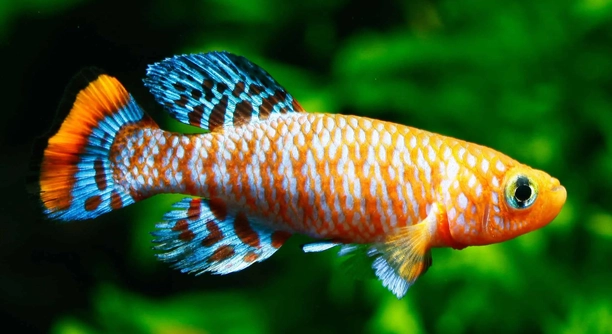
Killi fish eggs are delicate and prone to fungus, which can quickly ruin a breeding batch. Preventing this fungus naturally is important to protect the eggs without using harsh chemicals. Many fish breeders look for safe, effective methods to keep their eggs healthy.
Natural prevention of killi egg fungus involves maintaining clean water conditions, providing gentle aeration, and using antifungal plants or natural additives like Indian almond leaves. These methods reduce fungal growth while supporting the eggs’ development in a safe environment.
Learning simple natural steps can improve your breeding success and keep your killi eggs free from harmful fungus throughout their development.
Understanding Killi Egg Fungus
Killi egg fungus appears as a white, cottony growth on the surface of the eggs. It spreads quickly and can kill the embryos if left untreated. Fungus thrives in stagnant or dirty water, where oxygen levels drop. Keeping the tank clean and water flowing gently helps reduce fungal spores. Many breeders use natural methods, like adding Indian almond leaves or spawning mops, which contain antifungal properties. These plants release tannins that lower pH slightly and create an environment unfavorable for fungus growth. Another key step is to remove dead or unfertilized eggs promptly because they encourage fungus. Regular water changes and avoiding overcrowding also keep the eggs healthier. The goal is to balance cleanliness with a stable environment, as sudden changes can stress the eggs. Maintaining this balance requires patience but results in healthier hatches and less need for chemical treatments.
Natural antifungal plants help by releasing substances that limit fungal growth without harming the eggs or adult fish.
Handling eggs carefully and maintaining good water quality are essential to reducing fungal infections naturally.
Using Indian Almond Leaves and Other Natural Additives
Indian almond leaves are well-known for their antifungal and antibacterial effects. Adding these leaves to your breeding tank releases tannins that create a mildly acidic environment, which helps prevent fungal growth on the eggs. The leaves also improve water quality by reducing bacteria and toxins. Besides Indian almond leaves, some breeders use natural additives like peat moss or oak leaves to achieve similar effects. These materials release beneficial compounds that inhibit fungus and support egg health. When using these additives, it’s important to monitor water parameters to avoid overly acidic conditions that might harm the developing embryos. Leaves should be replaced regularly as they decompose to maintain a clean, healthy environment. These natural treatments work best combined with good tank hygiene and gentle water movement. Consistent care and observation allow for timely removal of any fungus that appears, ensuring a higher survival rate for the eggs.
Natural additives enhance water quality while discouraging fungal growth on killi eggs. Proper use requires monitoring and regular maintenance to keep conditions stable and safe.
Maintaining Optimal Water Conditions
Stable water conditions reduce fungus risk on killi eggs. Keep temperature steady between 22-26°C and pH around 6.5 to 7.0. Avoid sudden changes that stress eggs and promote fungal growth.
Regular water changes with dechlorinated water keep the tank clean. Use gentle filtration or air stones to maintain oxygen without disturbing the eggs. Overcrowding raises waste and lowers water quality, so limit the number of fish and eggs per tank. Monitoring ammonia, nitrite, and nitrate levels is essential. High waste levels encourage fungal spores and weaken embryos. Keeping a consistent routine of partial water changes every two to three days will help maintain cleanliness without shocking the eggs.
Avoid harsh chemicals that can harm eggs. Instead, rely on natural water treatments and stable conditions. This approach supports healthy development and reduces fungus risk naturally, ensuring better hatch rates and stronger fry.
Removing Dead and Unfertilized Eggs Promptly
Dead or unfertilized eggs promote fungus and should be removed quickly. These eggs become breeding grounds for spores, risking healthy ones nearby. Use a gentle tool like a turkey baster to suck out infected eggs without disturbing the rest.
Regular inspection of eggs helps catch fungus early. Removing affected eggs prevents spread and keeps the breeding environment cleaner. Doing this daily minimizes fungal buildup and increases survival chances for healthy embryos. Though it may feel tedious, staying consistent with this practice is vital for successful breeding. Clean tanks and prompt removal of dead eggs together form the foundation of natural fungus prevention, improving overall hatch rates and fish health.
Gentle Aeration and Water Flow
Gentle aeration improves oxygen levels, which helps prevent fungus on killi eggs. Avoid strong currents that can damage eggs or cause them to fall off surfaces.
A small air stone or sponge filter can provide steady water movement without disturbing the eggs. This creates a healthier environment and limits fungal growth naturally.
Using Spawning Mops or Artificial Plants
Spawning mops or artificial plants give killi fish a safe place to lay eggs. These surfaces reduce direct contact with the substrate, lowering fungus risk. They are easy to clean and replace, helping maintain good hygiene.
Regularly rinsing spawning mops in tank water removes debris and fungal spores, keeping the environment safe for eggs. This simple tool supports natural prevention methods effectively.
Monitoring Egg Development
Keep a close eye on eggs as they develop. Healthy eggs look clear or slightly yellow, while fungus appears as fuzzy white patches. Early detection allows quick action to prevent spread.
FAQ
What causes killi egg fungus?
Killi egg fungus usually develops due to poor water quality or stagnant conditions. Dead or unfertilized eggs left in the tank also encourage fungal growth. Low oxygen levels and overcrowding can stress eggs and increase their vulnerability. Keeping water clean and removing dead eggs helps prevent fungus naturally.
How can I identify fungus on killi eggs?
Fungus looks like white, cottony growths on the eggs’ surface. Healthy eggs are clear or slightly yellowish. Fungus spreads quickly and can cover multiple eggs if untreated. Regular inspection helps catch fungus early so you can remove infected eggs and protect the rest.
Can fungus harm the developing embryos?
Yes, fungus can suffocate embryos by covering the eggs, blocking oxygen and nutrients. It may also introduce harmful bacteria that damage or kill the embryos. Preventing fungus is essential for a successful hatch and healthy fry.
Are chemical treatments safe for killi eggs?
Chemical antifungal treatments can harm sensitive killi eggs or fry if not used carefully. Many breeders prefer natural methods like Indian almond leaves and gentle aeration to avoid risks. Chemicals should only be used as a last resort and with precise dosing.
How often should I change the water during breeding?
Partial water changes every two to three days help keep conditions stable and clean. Frequent, small changes prevent waste buildup without shocking the eggs. Always use dechlorinated water and keep temperature and pH steady.
What natural additives work best to prevent fungus?
Indian almond leaves are widely used due to their antifungal and antibacterial properties. Oak leaves and peat moss also release beneficial tannins. These additives lower pH slightly and create an environment unfavorable for fungus while supporting egg health.
Is it necessary to remove dead eggs daily?
Removing dead or unfertilized eggs daily is important. These eggs quickly develop fungus and spread spores to healthy ones. Using a turkey baster or small tool allows careful removal without disturbing the rest of the clutch.
How strong should water flow be around the eggs?
Water flow should be gentle but steady to provide oxygen without dislodging eggs. Too strong a current can damage eggs or cause them to fall off plants or spawning mops. A small air stone or sponge filter usually provides ideal flow.
Can overcrowding increase fungus risk?
Yes, overcrowding raises waste levels and lowers water quality, both of which promote fungal growth. Keeping fish and eggs at manageable numbers reduces stress and keeps the environment cleaner.
What does healthy egg development look like?
Healthy killi eggs are clear or pale yellow and firm. As they develop, you may see tiny eyes or movement inside. Fungus-covered eggs turn fuzzy white and often become cloudy or mushy. Monitoring helps catch issues early.
Are spawning mops helpful in fungus prevention?
Spawning mops provide a safe place for eggs away from debris and substrate. They are easy to clean and replace, reducing fungal buildup. Rinsing them regularly in tank water helps maintain cleanliness and prevent fungus spread.
Can I use natural antifungal plants instead of chemical treatments?
Yes, natural antifungal plants like Indian almond leaves are safer for eggs and fry. They release tannins that inhibit fungus growth and improve water quality. This method avoids the risks associated with harsh chemicals.
How long does it take for fungus to appear after eggs are laid?
Fungus can start growing within a few days if conditions are poor or dead eggs remain. Early removal of affected eggs and maintaining good water quality help prevent fungus from taking hold.
What should I do if fungus appears despite prevention efforts?
Remove infected eggs immediately to stop spread. Increase water changes and check filtration. Adding Indian almond leaves can help suppress fungus naturally. If fungus persists, carefully consider antifungal treatments, following instructions precisely to avoid harming eggs.
Does temperature affect fungus growth?
Yes, fungus grows faster in warmer water, especially above 26°C. Keeping temperature stable between 22-26°C slows fungal development and supports healthy embryo growth.
Can I use aquarium salt to prevent fungus?
Some breeders use low concentrations of aquarium salt as a preventative measure. Salt can reduce fungus but should be used carefully, as high levels stress eggs and fry. Always research safe dosages before use.
Final Thoughts
Preventing fungus on killi eggs naturally requires consistent care and attention. Maintaining clean water with stable temperature and pH levels plays a big role in stopping fungal growth. Using natural methods like adding Indian almond leaves or spawning mops creates a safer environment for eggs without harsh chemicals. These simple steps can help protect delicate eggs and improve hatch rates. It’s important to avoid overcrowding and keep good water circulation without creating strong currents that can damage the eggs.
Regular inspection of eggs is key to catching any fungal growth early. Removing dead or unfertilized eggs promptly prevents fungus from spreading to healthy ones. This process may take some patience, but it is essential for a successful breeding outcome. Monitoring water quality with partial water changes and gentle aeration supports healthy development. Keeping the tank clean and balanced helps reduce stress on the eggs, making it harder for fungus to take hold.
Natural prevention techniques are often safer and more sustainable than chemical treatments. They protect the eggs and the adult fish while maintaining a healthy breeding environment. Though fungus can be a common issue, using these methods consistently can keep your killi eggs free from fungus and improve overall success. With steady care and simple practices, it is possible to create the right conditions for strong, healthy fry to hatch and grow.

Hello,
If you enjoy the content that we create, please consider saying a "Thank You!" by leaving a tip.
Every little bit helps us continue crafting quality advice that supports the health, happiness, and well-being of pets around the world, for pets of all shapes, sizes, and species.
We really appreciate the kindness and support that you show us!