
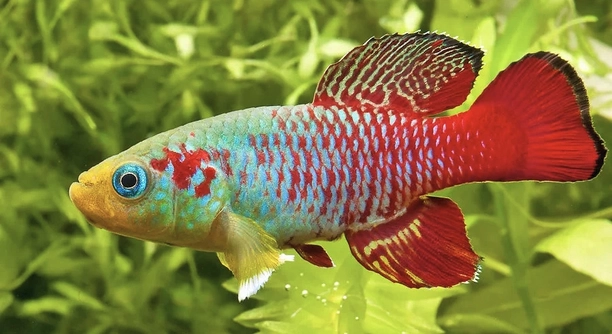
Killi fish show interesting courtship behaviors that many hobbyists enjoy watching. Observing these behaviors can give insight into their natural habits and how they interact with potential mates. It is a rewarding experience for anyone who keeps these fish.
To observe killi courtship behaviors, focus on their movements and displays during breeding season. Males typically perform elaborate dances and color changes to attract females. Close, calm observation in a quiet environment helps capture these subtle interactions accurately.
Learning about these behaviors can improve your care and understanding of killi fish, making your aquarium a more engaging space to enjoy.
Preparing the Aquarium for Observation
Before watching killi courtship behaviors, it’s important to create a calm and comfortable environment for the fish. Clear water and proper lighting help you see their colors and movements better. Use plants and hiding spots to reduce stress and encourage natural behavior. Keep the tank quiet and avoid sudden movements nearby, as this can scare the fish and stop their courtship displays. Feeding them well also makes them more active and ready to interact. Adjusting the temperature to their preferred range helps mimic their natural breeding season, which increases the chances of seeing courtship behaviors. Regular water changes maintain good water quality, which supports healthy fish behavior.
A calm environment is key to observing clear courtship behavior. Fish need to feel safe and undisturbed to show their best displays.
Setting up your tank carefully allows you to witness authentic behaviors. When the fish are comfortable, you’ll notice males displaying brighter colors and performing dances to attract females. Patience is important because these behaviors may happen at certain times, often when the light changes or after feeding. Watching quietly and for longer periods increases your chances of seeing these moments. Using a notebook to record what you observe can help you understand patterns in their behavior over time. This setup and attentiveness make observation more rewarding and informative.
Identifying Key Courtship Behaviors
Males often show bright colors and swim in circles near females.
Male killifish use bright color displays and specific movements to attract females. They may flare their fins, swim rapidly, or perform a dance that includes quick turns and head movements. The males might also build or clear a small area where females can lay eggs. Females respond by approaching or following the male, sometimes showing less vibrant colors but moving close to the male’s display site. Watching for these signs helps identify when courtship is happening.
Recognizing these behaviors requires close observation and patience. Each species may have slight variations, but the main actions are similar across killifish. Noticing the details can make your observation more meaningful and help you care for the fish during breeding.
Timing Your Observations
Killi fish courtship happens mostly during early morning or late afternoon when they feel safest. These times offer the best chance to see natural behaviors without interruption.
Observing during these peak activity times is important because killifish tend to rest or hide at other parts of the day. Early morning light helps males show off their colors vividly, making their displays easier to spot. Late afternoon often brings a second active period where courtship may resume. Avoid watching at night or during sudden changes in light, as these can confuse or stress the fish. Regular observation at the same times each day helps you understand their patterns and increases your chances of witnessing courtship.
Consistency is key. Keeping a routine for your observations also helps the fish get used to your presence, reducing their stress and encouraging natural behavior. Recording the times when you see activity lets you plan better and improves your overall experience.
Tools to Aid Observation
A small notebook or a digital app can help you track behaviors and changes over time. This makes it easier to notice patterns and progress.
Using a magnifying glass or a good camera with zoom allows you to see fine details like fin movements or color shifts. This is helpful for identifying subtle signals that might be missed by the naked eye. A timer or alarm can remind you to check the tank at regular intervals during peak courtship times. Soft lighting like an LED aquarium light helps prevent startling the fish while improving visibility. Combining these tools can make your observation more thorough and enjoyable.
Keeping notes and using simple equipment turns watching into a more focused activity. It allows you to look back at changes and understand how behaviors develop or vary day by day.
Understanding Male Displays
Males use bright colors and quick movements to catch females’ attention. These displays show their health and readiness to mate.
They often flare their fins and swim in circles near the female. The more vivid the colors, the stronger the signal to attract her.
Female Responses
Females may follow the male or stay close to his display area. Sometimes, they gently swim alongside him.
If interested, females will slowly approach and inspect the spot where males invite them to lay eggs. If not, they may hide or ignore the male.
Avoiding Common Mistakes
Do not tap the glass or make sudden movements during observation. These can frighten the fish and stop courtship behavior.
Keeping your presence calm and quiet encourages the fish to behave naturally and display their true courtship rituals.
How long does killi courtship usually last?
Killi courtship can last from a few minutes to over an hour depending on the species and environmental conditions. Males perform multiple displays and dances to attract females. Sometimes, females take time to respond or may leave and return later. The process is not always quick or continuous, so patience is important when observing.
Can I encourage courtship behavior in my aquarium?
Yes, you can encourage courtship by creating a comfortable environment with proper water temperature, clean conditions, and plenty of plants or spawning sites. Feeding your fish well and maintaining a regular light cycle helps mimic natural conditions. Minimizing disturbances and watching during peak activity times increases the chance of courtship.
What should I avoid doing during observation?
Avoid tapping the glass, sudden movements, or loud noises around the tank. These actions can stress the fish and stop courtship displays. Keeping a calm presence and dim lighting helps the fish feel safe and act naturally.
How do I know if the male’s display is successful?
Success is usually indicated when a female approaches the male, follows his movements, or enters the spawning site he prepares. The pair may swim closely together, and the female will eventually lay eggs. If the female ignores the male or swims away, the display was likely unsuccessful.
Are all killifish species’ courtship behaviors the same?
No, courtship behaviors vary by species. While many males show bright colors and perform dances, the exact movements, colors, and rituals can differ. Researching your specific killi species helps you identify what to expect during courtship.
What role do plants play in courtship?
Plants provide hiding spots and spawning surfaces. Males often clear small areas on or near plants to attract females. Females feel safer and more likely to lay eggs when plants are present. Including dense plants improves natural behavior and courtship success.
Can stress affect courtship behavior?
Yes, stress reduces the chance of courtship. Poor water quality, overcrowding, sudden changes, or aggressive tank mates cause stress. Stressed fish hide or act shy, avoiding displays. Keeping stable conditions and a peaceful environment supports healthy courtship behavior.
How often should I observe to understand patterns?
Observing daily at the same times, especially early morning or late afternoon, helps you recognize patterns. Regular observation lets you see changes in behavior, timing, and interactions. Using a notebook to record what you see adds useful details over time.
Is it normal for females to reject males?
Yes, females may reject males for various reasons, including health, color intensity, or environmental stress. Rejection is a natural part of selection and courtship. Males often try repeatedly, and conditions may change to improve success later.
What is the best way to record courtship observations?
Simple notes about date, time, behaviors, and fish involved work well. You can also use photos or videos to capture displays. Keeping track helps you spot changes, understand behavior, and plan better care.
How do lighting conditions affect courtship?
Proper lighting shows males’ colors clearly and helps set natural rhythms. Too bright or flickering lights can scare fish. Using soft, consistent lighting simulates natural daylight and encourages displays.
Can other fish interfere with killi courtship?
Yes, aggressive or noisy tank mates can disturb killifish and stop courtship. Housing killifish separately or with peaceful species reduces stress and improves breeding chances.
How soon after courtship do females lay eggs?
Egg laying usually happens shortly after successful courtship, sometimes within hours. Females deposit eggs on plants, substrate, or spawning mops, depending on species.
Are there signs that courtship is about to begin?
Males often become more active, show brighter colors, and begin swimming near females. They may clear a small territory or chase away rivals. These signs indicate courtship will start soon.
What equipment can help improve observation quality?
A good aquarium light, magnifying glass, or camera with zoom helps see details. A notebook or app records behavior efficiently. A timer or alarm reminds you to check the tank regularly.
Should I intervene if courtship doesn’t seem to happen?
Usually, it’s best to wait and improve tank conditions rather than interfere. Adjust temperature, lighting, and water quality to mimic natural environments. Sometimes, adding new plants or rearranging the tank helps spark courtship naturally.
How important is water temperature for courtship?
Water temperature influences fish metabolism and activity. Keeping the tank at species-specific optimal temperature encourages natural behavior and courtship displays. Too low or too high temperatures may slow or stop breeding.
Can courtship behavior indicate fish health?
Yes, active courtship and bright colors often signal healthy fish. Weak or absent displays may indicate stress, illness, or poor environment. Observing behavior helps you detect problems early.
What if females lay eggs but no fry appear?
Some killifish eggs require specific conditions to hatch, like drying out for a period or cooler temperatures. Research your species’ breeding needs carefully to ensure successful hatching.
How long does it take to learn to observe courtship well?
Learning to recognize behaviors takes time and patience. Regular observation, note-taking, and research help build understanding. Each tank and species may require slightly different approaches.
Is it normal for males to be aggressive during courtship?
Males may show aggression toward rivals or even females as part of courtship rituals. This behavior is natural but should not be harmful. If aggression is excessive, consider separating fish to prevent injury.
Observing killi courtship behaviors can be a rewarding experience for anyone who keeps these fish. It offers a glimpse into their natural lives and helps deepen understanding of their needs and habits. Watching the males display bright colors and perform dances to attract females is fascinating. These behaviors are signs of healthy, well-cared-for fish and good tank conditions. Taking the time to watch carefully during the right times of day allows you to see more natural interactions and get to know your fish better.
Creating the right environment is important for successful observation. Clear water, proper temperature, plenty of plants, and minimal disturbances help the fish feel safe and ready to show courtship behaviors. A quiet room and calm presence reduce stress on the fish and encourage them to act naturally. Using simple tools like a notebook, timer, or camera can also help track and record the behaviors you see. Noticing small details, like fin movements or changes in color, gives you more insight into the courtship process.
Patience is key when observing killi courtship. These fish may not always show courtship behaviors on demand, and sometimes females will reject males. This is part of their natural breeding process. Regular observation, combined with good tank care and consistent routines, increases your chances of witnessing courtship. Over time, you will learn to recognize patterns and signals, making the experience even more enjoyable. Ultimately, watching killi fish courtship helps create a better environment for breeding and improves your overall connection with these fascinating fish.

Hello,
If you enjoy the content that we create, please consider saying a "Thank You!" by leaving a tip.
Every little bit helps us continue crafting quality advice that supports the health, happiness, and well-being of pets around the world, for pets of all shapes, sizes, and species.
We really appreciate the kindness and support that you show us!