
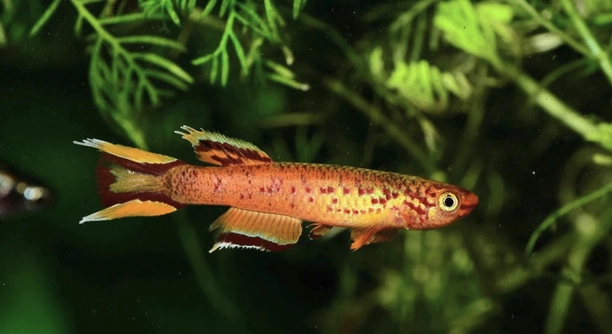
Do you ever find yourself wondering if your killi fish can actually recognize you after weeks of feeding and watching them swim?
Killi fish have shown signs of recognizing their owners through consistent behavior patterns, especially during feeding times. Scientific observations suggest they are capable of basic memory retention, allowing them to associate humans with positive experiences like food.
Understanding their memory abilities can help build better interactions and care routines for your colorful companions.
How Memory Works in Killi Fish
Killi fish, like many small freshwater species, have more cognitive ability than most people assume. Their brains may be tiny, but they are wired to recognize patterns and respond to routine. If you feed your killi fish at the same time each day, they may begin to anticipate your presence. Some fish even swim to the front of the tank or show increased activity when their owner walks into the room. These signs may seem minor, but they point to memory-based behavior. Scientific studies on fish memory have shown that many species can retain learned information for days or even weeks. Killi fish fall into this group, using their memory to distinguish between different people, especially when those people are tied to positive outcomes like food or clean water. While their recognition may not be emotional like a dog’s, it still reflects a real, learned association that helps shape their behavior.
Consistent interaction plays a key role in strengthening recognition.
Creating predictable routines helps killi fish develop memory-based associations. Feeding them at the same time daily, using the same lighting or hand gestures, and maintaining a calm environment all support learning. These small efforts encourage the fish to recognize you through repetition and positive reinforcement.
Signs Your Killi Fish Might Recognize You
Some killi fish show quick movement when you approach, especially before feeding time. This isn’t random—it can be a sign of recognition based on routine.
Other signs may include swimming to the surface when you walk in or pressing closer to the front glass of the tank. These behaviors are often linked to food anticipation, but they can also mean your fish connects your presence to that reward. This kind of response requires short-term memory at the very least, and with repeated exposure, it can develop into more lasting recognition. The key is repetition and environment. If your killi fish sees and hears you regularly under the same conditions, it becomes easier for them to form memory patterns. Unlike larger animals, they may not recognize your face in detail, but they can sense differences in shadows, vibrations, and sound. Many fish rely more on motion and rhythm than exact visuals, making your approach and behavior important cues.
How to Encourage Recognition in Your Killi Fish
Repeated, positive interaction is one of the easiest ways to help your killi fish recognize you. Stick to a feeding schedule, keep your approach calm, and use similar hand movements or lighting to build familiarity over time.
Feeding is the strongest motivator. If you feed your killi fish at the same time each day and use the same gestures, they’ll start associating those movements and your presence with food. Try standing in the same place, using a slow hand movement above the tank, and keeping background noise consistent. This helps your fish feel safe and learn routines. Avoid sudden changes or tapping the glass, as that can confuse or scare them. Over time, your fish will swim toward the feeding spot or show excitement when you walk into the room. This response suggests they remember the pattern and are anticipating a positive outcome.
You don’t need fancy tools or tricks to build this connection. Killi fish can recognize patterns in their environment, including your behavior. If you create simple, repeatable steps—like walking in slowly, feeding from the same side, and using gentle voice tones—they’ll associate these things with comfort and routine. Visual cues matter, but movement and rhythm often matter more. Keep things predictable, and you’ll start noticing changes in how your fish respond to you.
Why It Matters for Their Well-Being
Recognition builds trust. When your killi fish knows what to expect, they become less stressed. Fish that feel safe are more active, eat better, and show brighter colors. This means a happier, healthier tank.
Stress can weaken a fish’s immune system and affect their overall health. Routine helps limit that stress. When killi fish recognize their owner, they may be more cooperative during tank cleanings or less likely to hide when someone approaches. This behavior reflects comfort, not fear. The small effort it takes to build this connection pays off by supporting your fish’s emotional and physical balance. Fish that feel safe are also more likely to display natural behaviors, like exploring or interacting with tank mates. So while recognition may seem like a small detail, it plays a role in shaping how your fish live each day. Creating a familiar environment improves both your bond and their quality of life.
How Long Killi Fish Can Remember
Killi fish can remember short-term patterns for several days. When routines are repeated, their memory stretches even longer. Studies suggest some fish species retain learned behavior for weeks when conditions remain consistent and positive.
Their memory may not be complex, but it’s enough to help them adapt to regular interactions. Keeping things steady helps reinforce it.
What This Means for Daily Care
Understanding that your killi fish can remember certain patterns means your role becomes more than just feeding and cleaning. Daily care includes interaction. Using the same signals and being calm helps shape a more relaxed, engaged fish. If your killi fish seems to wait for you or responds more quickly over time, that’s memory at work. These behaviors also make tank care easier. When fish feel familiar with your presence, they’re less likely to dart or hide, reducing stress during cleanings and water changes. Your daily routine matters more than you might think—it shapes how your fish experiences its environment and how it reacts to the person providing its care.
Consistency Makes the Difference
Fish thrive when they know what to expect. Repeating feeding times, lighting, and gentle interaction helps your killi fish feel secure and encourages them to remember you.
FAQ
Can killi fish recognize individual people?
Killi fish don’t recognize faces the way humans do, but they can tell the difference between people based on movement, voice tone, shadows, and other routine cues. If you’re the one feeding them every day, your fish will likely associate your specific presence with something positive. Over time, they may respond more to you than to others, especially if you’re consistent. They might swim toward you or appear more active when you walk into the room. These behaviors suggest they recognize patterns that are unique to you, which is their way of identifying who is nearby.
How do I know if my killi fish remembers me?
Fish memory doesn’t work like human memory, but you’ll notice small behaviors that show recognition. If your fish swims to the same spot when you approach, shows excitement before feeding, or becomes less afraid over time, these are signs of memory. They’re not acting randomly—they’re responding to patterns they’ve learned. When your fish behaves differently around you than around someone else, that’s another clue. It’s not about love or attachment, but about routine, repetition, and positive association. These behaviors reflect that your fish remembers how you interact with them and what usually happens when you’re nearby.
Do killi fish have good memory compared to other fish?
Killi fish have decent memory for their size. They’re not at the top like goldfish or cichlids, but they remember what matters to them—mainly food and comfort. In tests, fish like killi have shown the ability to learn simple tasks and retain that knowledge for several days. When those tasks are repeated, memory retention improves. Their memory is functional and helps them survive. It lets them avoid stress, find food, and respond to routine. While they’re not solving puzzles or learning tricks, their memory works well for their needs and supports familiar behavior in a home tank.
How long does it take for a killi fish to recognize someone?
It depends on how often and how consistently you interact with your killi fish. Some may start showing signs of recognition in just a few days if you feed them regularly and avoid stress. Others may take a week or more. The key is to use the same approach each time—same time of day, same feeding routine, same movements. These cues help them connect your presence to something positive. Recognition doesn’t happen instantly, but it can build fairly quickly when the environment is calm and predictable. Repetition makes all the difference when helping your fish remember you.
Can I train my killi fish using their memory?
You can shape behavior in small ways using repetition. While you may not be able to teach your killi fish tricks, you can train them to come to a certain corner of the tank at feeding time. If you use a specific motion—like tapping lightly on the lid or placing your hand above the tank—before giving food, your fish may learn to associate that with mealtime. Over time, they’ll respond to that signal. The key is to keep it simple and consistent. Training in this sense is more about creating reliable patterns than teaching commands.
Do all killi fish respond the same way?
Not every killi fish will react the same, even under identical conditions. Some may become responsive and active quickly, while others stay shy and cautious. This depends on personality, past experiences, and even the setup of your tank. Lighting, hiding spaces, noise levels, and tank mates all affect how your fish behaves. If one fish seems more social or engaged, it might simply be more confident. If another hides often, it may need more time. Consistency still helps all types, even if their responses vary. With patience, most killi fish show some form of recognition over time.
Does memory in killi fish fade over time?
Yes, if the behavior or routine isn’t reinforced. Like many animals, killi fish need repetition to keep memories strong. If you stop feeding at the same time or change how you approach the tank, they may lose that recognition. Their memory is tied closely to patterns. So, while they can remember routines for several days or even longer, those memories can fade if not repeated. Keeping up a stable routine helps maintain the connection. Once the memory fades, you can reintroduce the pattern, and they’ll likely relearn it with regular interaction.
Is it okay if my killi fish doesn’t seem to recognize me?
Yes. Some fish may simply be more reserved or slower to respond. It doesn’t mean you’re doing anything wrong. Focus on keeping the environment calm, maintaining routine, and avoiding stress. Even if your fish doesn’t show obvious signs of recognition, it still benefits from your care. Over time, small signs may appear, like approaching the glass or swimming with more ease when you’re near. Not all fish show their memory in the same way, but your consistent care still supports their health and behavior—even if it’s not always visible right away.
Final Thoughts
Killi fish may be small, but their behavior shows they are more aware than people often think. Through routine and repetition, they can form basic memories and recognize patterns tied to human interaction. While they don’t experience emotions the same way humans do, their ability to associate people with feeding and care proves they can remember. These memories might not last forever without reinforcement, but they are strong enough to shape daily behavior. If you approach your tank regularly and provide a calm, consistent environment, your fish will start to respond to you in noticeable ways. Simple changes in their activity—like swimming to the front of the tank—can reflect learned responses based on memory.
This connection may seem small, but it matters. When fish recognize your behavior and link it to safety or food, they experience less stress. A relaxed fish is more likely to eat well, show natural colors, and engage with its surroundings. These signs are important, especially in home tanks where the goal is to support your fish’s long-term health. You don’t need advanced tools or training methods to help your killi fish remember you. Just showing up at the same time, using soft movement, and keeping conditions steady makes a difference. Your fish will notice, even if the changes seem minor. What feels like routine to you is how they learn and stay comfortable.
Caring for killi fish is about more than just maintaining water quality. It’s about how they experience their space and the role you play in that routine. Recognition is part of that experience, helping them feel secure. Even if your fish doesn’t respond right away, it’s worth keeping the routine steady. Over time, they’ll likely show small signs that they recognize your presence. Whether it’s a swim to the surface or staying visible longer, these behaviors suggest memory at work. The effort you put into consistency is rewarded through calmer, healthier fish. It’s a reminder that even the smallest animals are shaped by how we care for them. Recognizing their ability to remember is just one more step toward building a better, more thoughtful home environment for your fish.

Hello,
If you enjoy the content that we create, please consider saying a "Thank You!" by leaving a tip.
Every little bit helps us continue crafting quality advice that supports the health, happiness, and well-being of pets around the world, for pets of all shapes, sizes, and species.
We really appreciate the kindness and support that you show us!