
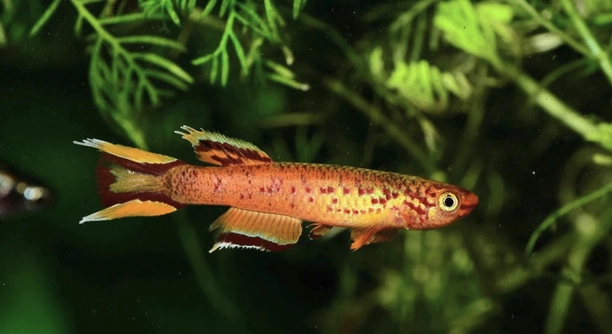
Killi eggs are delicate and require careful handling during shipping. Many breeders and hobbyists wonder about the impact of delays on egg survival. Understanding these effects helps ensure successful hatching and healthy fish development.
Killi eggs can survive short shipping delays if kept under proper conditions, such as stable temperature and humidity. Prolonged delays or exposure to extreme environments increase the risk of egg damage or death. Proper packaging plays a critical role in survival rates.
Shipping challenges are common, but knowing how to protect your killi eggs can improve outcomes. This article explains key factors affecting egg viability during delays and offers practical advice for breeders and enthusiasts.
Factors Affecting Killi Egg Survival During Shipping
Temperature is one of the most important factors influencing the survival of killi eggs during shipping. Eggs kept too cold or too warm may not develop properly or may die. Ideally, eggs should be stored at a stable temperature between 20°C and 25°C (68°F to 77°F). Sudden temperature changes can cause stress and reduce viability. Humidity also plays a key role; too much moisture can lead to mold growth, while too little can cause the eggs to dry out. Proper packaging can help maintain these conditions by cushioning the eggs and providing insulation. The type of medium used to transport the eggs, such as moist peat moss or sponge, can keep them from drying out and protect them from shocks. Shipping delays can disrupt these conditions, but careful preparation reduces the risks.
Maintaining stable temperature and humidity during shipping improves the chances that killi eggs will survive delays without harm.
Proper preparation is essential for keeping killi eggs safe during transport. Packaging materials should provide both moisture and protection from physical damage. Using insulated containers helps to keep temperatures steady. Avoid direct sunlight or exposure to freezing temperatures. Additionally, placing the eggs in a breathable, moist medium ensures they do not dry out or rot. Labeling the package clearly can encourage careful handling. Finally, choosing reliable shipping services that prioritize speed and handling reduces the risk of extended delays. Even with some delay, following these practices increases the likelihood of healthy eggs upon arrival.
Handling Delays and What to Do Upon Arrival
Delays can happen despite careful planning, so knowing how to handle the eggs after arrival is important.
Once the eggs arrive, immediately check their condition. Look for any signs of mold or excessive dryness. Gently transfer the eggs to a suitable hatching environment with stable temperature and proper water quality. If any eggs appear damaged or spoiled, remove them to prevent contamination of the healthy ones. Monitoring the eggs closely in the first few days after arrival helps detect problems early. Providing good care during this stage supports successful hatching even after shipping delays. Prompt and careful attention can make a significant difference in the outcome.
Common Problems During Shipping
Shipping killi eggs can lead to issues such as mold growth, drying out, and physical damage. These problems often result from improper packaging or exposure to unstable conditions.
Mold is a frequent problem caused by excess moisture and poor airflow. It can quickly spread and destroy eggs if not controlled. Drying out happens when humidity is too low or packaging fails to retain moisture, causing eggs to shrivel and die. Physical damage occurs when eggs are jostled or crushed during transport, which stresses or kills the developing embryos. Preventing these issues requires careful packaging, moisture control, and gentle handling.
Proper packing materials like moist peat moss, sponge, or damp cotton can reduce drying and mold risks. Cushioning and insulating the eggs prevents damage from bumps and temperature changes. Checking conditions regularly before shipping can catch problems early and improve survival chances.
Tips to Minimize Shipping Risks
Choosing the right shipping method greatly impacts the survival of killi eggs. Opt for faster services to reduce time in transit and avoid delays whenever possible. Using insulated containers helps maintain stable temperature, protecting eggs from sudden heat or cold. Labeling the package as fragile and perishable encourages careful handling by carriers. Proper packaging that keeps eggs moist but not wet also reduces the chance of mold or drying. Including a temperature indicator inside the package can help monitor conditions during shipping. Preparing the eggs and packing materials ahead of time allows for last-minute adjustments, ensuring the best environment for eggs on the move. With careful planning and attention, most shipping risks can be effectively managed.
Preparing Killi Eggs for Shipping
Before shipping, inspect the eggs carefully to remove any that appear damaged or moldy. Use a moist but not soggy medium like peat moss or sponge to keep them hydrated during transport.
Wrap the container securely with cushioning material to protect eggs from bumps and shocks. Label the package clearly as fragile and keep it insulated from temperature extremes.
Monitoring Eggs After Shipping
Once received, place the eggs in their hatching environment quickly. Observe them daily for signs of mold or drying. Remove any unhealthy eggs immediately to prevent spreading issues.
Avoiding Common Mistakes
Avoid exposing eggs to extreme temperatures or direct sunlight during shipping. Do not pack eggs too wet, as excess moisture encourages mold growth. Proper care before and after shipping is essential to maintain egg viability.
FAQ
Can Killi eggs survive if the shipping is delayed by several days?
Killi eggs can survive short delays if properly prepared and packaged. However, delays beyond a few days increase the risk of damage from temperature fluctuations, moisture loss, or mold. The longer the delay, the lower the survival rate tends to be. Using insulated packaging and a moist medium helps maintain conditions for survival during extended shipping.
What is the best medium to pack killi eggs for shipping?
The most common and effective mediums are moist peat moss, sponge, or damp cotton wool. These materials keep the eggs moist without soaking them, which prevents drying out and mold. The medium should be damp but not dripping wet to create a balanced environment that protects eggs during transit.
How important is temperature control during shipping?
Temperature control is crucial. Eggs exposed to temperatures below 15°C (59°F) or above 30°C (86°F) may not develop properly or may die. Shipping in moderate, stable temperatures between 20°C and 25°C (68°F to 77°F) greatly improves the chances of survival. Sudden temperature swings are especially harmful.
Can eggs be shipped without any moist medium?
Shipping without any moist medium is risky and generally not recommended. Without moisture, eggs can dry out quickly and fail to hatch. The moist medium acts as a buffer to keep humidity stable and protect eggs from shocks during shipping.
What should I do if some eggs arrive moldy?
Remove moldy eggs immediately to prevent the spread of fungus to healthy eggs. Mold can quickly destroy a batch if left unchecked. Keeping eggs well-ventilated and avoiding excess moisture in the packaging can reduce mold risks.
Is it better to ship eggs in water or on a damp medium?
Killi eggs should not be shipped submerged in water. Water can cause eggs to suffocate or become infected with bacteria. A damp medium provides enough moisture for development while allowing air circulation, which is safer for the eggs.
How soon should eggs be transferred to a hatching tank after arrival?
Eggs should be transferred as soon as possible after arrival. Prompt transfer reduces stress and exposure to unsuitable conditions. A stable, clean environment with controlled temperature and water quality supports healthy hatching.
Can I use regular shipping services to send killi eggs?
Regular shipping services can be used, but choosing faster and more reliable options is best. Shipping delays increase risks for egg survival. Informing the carrier that the package contains fragile biological material may improve handling care.
What packaging materials work best for cushioning the eggs?
Soft materials like foam, bubble wrap, or crumpled paper can cushion the egg container inside the shipping box. Cushioning protects eggs from shocks, vibrations, and drops, which can harm fragile embryos.
Are there signs that eggs have been damaged during shipping?
Damaged eggs may look shriveled, discolored, or have spots of mold. They may also fail to develop or hatch. Healthy eggs generally remain plump and clear or slightly opaque depending on the species.
Can I reuse packing materials from previous shipments?
Reusing packing materials is possible if they are clean and intact. Avoid materials that have mold, dirt, or moisture damage. Clean and dry materials provide better protection and reduce contamination risks.
Is it necessary to label the package as containing live eggs?
Labeling the package as containing live eggs or fragile biological material can improve how it is handled. Carriers may treat such packages with more care, reducing the chances of rough handling or delays.
What are the main reasons eggs fail to hatch after shipping?
The main reasons include exposure to unsuitable temperatures, drying out or excess moisture, mold infection, physical damage, and extended delays. Proper preparation and careful handling address most of these issues.
How long do killi eggs typically take to hatch?
Killi eggs generally take about 10 to 14 days to hatch, depending on the species and temperature. Warmer temperatures speed up development, while cooler ones slow it down.
Can I ship killi eggs internationally?
International shipping is possible but involves more risks due to longer transit times and customs delays. Proper packaging and choosing fast shipping methods are essential to improve survival chances. Check regulations regarding live biological shipments before sending.
Are there any special considerations for shipping rare or sensitive killi species?
Rare or sensitive species may require more precise temperature and humidity control. Extra cushioning and reliable, quick shipping are critical. Consulting with experienced breeders or suppliers about best practices can help protect these delicate eggs.
Final Thoughts
Shipping killi eggs requires careful attention to detail and preparation. These eggs are delicate and sensitive to changes in temperature, moisture, and handling. Taking the time to package them properly and maintain stable conditions during transit greatly improves their chances of survival. Using a moist but not overly wet medium, cushioning the eggs well, and insulating the package from extreme temperatures are all important steps. While delays can happen, following these practices helps protect the eggs from damage and increases the likelihood of successful hatching once they reach their destination.
It is also essential to monitor the eggs closely after arrival. Quickly transferring the eggs to a proper hatching environment minimizes stress and supports healthy development. Removing any eggs that show signs of mold or damage helps keep the rest safe. Being prepared to provide stable water conditions and temperature control will support the eggs during their final stage before hatching. Although shipping can be a stressful time for killi eggs, careful handling before, during, and after transit can lead to positive results and healthy fish.
Understanding the risks involved with shipping killi eggs allows breeders and hobbyists to make informed decisions. Not every shipment will go perfectly, but good preparation and attention to detail help reduce common problems. Investing time in proper packaging, choosing reliable shipping options, and promptly caring for eggs after delivery all contribute to better outcomes. With patience and care, it is possible to successfully ship killi eggs even when delays occur. This knowledge empowers breeders to continue sharing and raising these unique fish safely.

Hello,
If you enjoy the content that we create, please consider saying a "Thank You!" by leaving a tip.
Every little bit helps us continue crafting quality advice that supports the health, happiness, and well-being of pets around the world, for pets of all shapes, sizes, and species.
We really appreciate the kindness and support that you show us!