
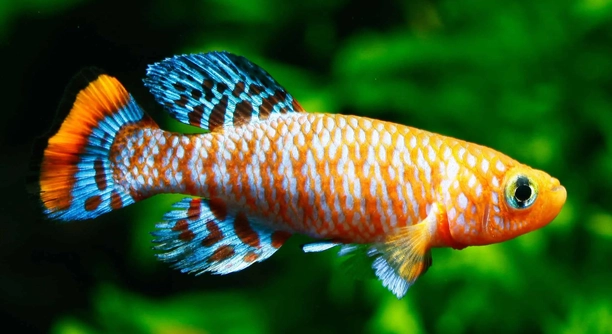
Killifish, commonly called killis, are popular in home aquariums because of their vibrant colors and unique behaviors. One interesting aspect of killis is that they often stop eating when they start spawning. This change can surprise many hobbyists who care for these fish.
Killifish stop eating during spawning because their energy shifts entirely to reproduction. This behavior helps them focus on mating and egg-laying while reducing risks from food digestion or competition. It is a natural response observed in many fish species during breeding.
Understanding why killis change their eating habits during spawning can improve how you care for them and support their health throughout this important stage.
Why Killis Stop Eating During Spawning
When killifish begin spawning, their bodies prioritize reproductive processes over regular activities like feeding. This shift means their digestive system slows down or temporarily shuts off as energy is redirected to developing eggs and courting partners. During this time, killis become less interested in food and focus more on mating behaviors. It’s important to recognize this change as normal, so you don’t mistake it for illness. Feeding during spawning can even stress the fish, as they are naturally less active and their metabolism slows. Observing these patterns helps you create a calm environment that supports their breeding. In addition, the temporary fasting helps protect them from potential digestive problems while their bodies are under extra strain. Understanding this can reduce worry and help you manage your aquarium with patience and care.
Spawning can last several days, during which killis continue to eat very little or not at all. This fasting is temporary and usually ends once the breeding is complete.
By giving killifish the space and quiet they need during spawning, you support their health. Avoid overfeeding and maintain stable water conditions to help them recover and thrive after breeding. This approach encourages successful spawning and ensures your killis remain healthy in the long term.
How to Support Killis During Spawning
Killifish need a stress-free environment to focus on spawning. Loud noises or sudden changes can disrupt their behavior and affect breeding success.
Providing clean water and a balanced diet before spawning strengthens killis and prepares them for fasting. A diet rich in protein, such as live or frozen foods, ensures they have enough reserves for the breeding period. Avoid feeding during spawning to prevent stress and digestive issues. Keep lighting low and avoid frequent tank disturbances, as this helps reduce stress. If you notice aggression, consider separating males or providing more hiding spots. After spawning, gradually reintroduce feeding to help them regain strength. Consistent care before, during, and after spawning will improve their overall health and breeding outcomes. With patience and attention, you can support your killifish through this natural and important phase.
Common Signs Killis Are Spawning
Killifish show clear signs when they begin spawning. Males display brighter colors and swim actively to attract females. Females may become rounder as eggs develop. You might notice chasing and gentle nudging between mates. These behaviors indicate that spawning is underway.
The change in color and behavior helps identify the start of the breeding process. Males intensify their movements and sometimes flare their fins to impress females. Females respond by selecting specific spots, usually near plants or substrate, to lay eggs. These subtle cues can help you monitor your killis without disturbing them. Observing these patterns makes it easier to understand when feeding changes occur and why they stop eating temporarily. Recognizing these signs can help you prepare for the fasting period and create the right conditions for successful breeding.
During spawning, killis focus on courtship rituals and egg laying. This intense activity replaces their usual routines, including feeding. The interaction between males and females is essential to fertilize the eggs properly. Understanding these behaviors improves care during this delicate time.
Managing Water Quality During Spawning
Maintaining excellent water quality is crucial while killifish are spawning. Waste buildup and water changes can stress the fish and disrupt breeding. Keep ammonia and nitrite levels at zero and monitor nitrates carefully. Regular testing helps prevent sudden changes that could harm your fish. Clean water supports their health and encourages successful spawning. Avoid large water changes during this period to reduce stress but perform small, frequent top-offs if needed to maintain water parameters stable. This balance keeps the environment safe for both adults and eggs.
Using gentle filtration and avoiding strong currents is also important. Killifish prefer calm water during spawning, which mimics their natural habitat. Ensure good oxygen levels without creating turbulence. Additionally, remove uneaten food and debris promptly before spawning begins to prevent water quality issues. Proper tank maintenance supports healthy breeding and reduces the risk of disease during this vulnerable time. By focusing on water quality, you help your killis complete spawning smoothly and protect the developing eggs for future fry.
Adjusting Feeding Before Spawning
Feeding killifish a high-quality diet before spawning helps build their energy reserves. Offering live or frozen foods rich in protein prepares them for the fasting period. This step is essential to support their reproductive health.
Reducing feeding gradually as spawning approaches can encourage natural fasting behavior. Avoid overfeeding, as it may cause water quality problems and stress during breeding.
Stress Reduction During Spawning
Minimizing disturbances in the tank helps killis focus on spawning. Avoid tapping the glass or sudden movements near the aquarium. Keeping noise low and maintaining a calm environment supports their breeding efforts and overall well-being.
Handling Aggression in Killifish
Aggression can increase during spawning, especially among males competing for females. Providing enough space and hiding places reduces conflict. If fighting becomes severe, consider separating aggressive individuals temporarily to protect weaker fish and eggs.
Recognizing When Spawning Ends
Killifish usually resume normal behavior and feeding once spawning is complete. Watch for males losing their bright colors and activity slowing down. Gradually reintroduce regular feeding to help them recover strength after breeding.
FAQ
Why do killifish stop eating during spawning?
Killifish stop eating during spawning because their bodies focus energy on reproduction. Digestive processes slow down as they prioritize mating behaviors and egg development. This temporary fasting is natural and helps reduce stress and digestive strain during breeding. It is a common pattern among many fish species.
How long do killis usually stop eating while spawning?
The fasting period can last several days, often matching the full duration of spawning activities. Once egg-laying and courtship finish, killifish typically begin to eat again. The exact length depends on the species, environment, and individual fish condition.
Is it harmful if killis don’t eat for several days?
It is generally not harmful if killifish fast during spawning, provided they were well-fed beforehand. Their bodies rely on stored energy reserves to get through this phase. However, prolonged fasting beyond spawning could indicate stress or illness and should be monitored carefully.
Should I feed killifish during spawning?
Feeding killifish during spawning is usually discouraged. They naturally reduce food intake and forcing food can cause stress or water quality issues. Instead, focus on feeding them well before spawning starts and allow the fish to fast naturally during breeding.
What types of food should I give killifish before spawning?
High-protein foods like live or frozen bloodworms, brine shrimp, and daphnia are ideal before spawning. These foods help build energy reserves needed for the fasting period. A varied diet with quality flakes or pellets also supports overall health.
How can I tell if killifish are stressed during spawning?
Signs of stress include erratic swimming, hiding excessively, loss of color, or aggressive behavior beyond normal courtship. Stress can interfere with spawning and feeding patterns. Reducing tank disturbances and ensuring stable water conditions help lower stress levels.
Does water quality affect killifish feeding behavior during spawning?
Yes, poor water quality can worsen feeding issues and stress during spawning. Maintaining clean water with low ammonia, nitrite, and nitrate levels supports healthy behavior. Avoiding sudden water changes during spawning keeps the environment stable for the fish.
What can I do if male killifish become aggressive during spawning?
Provide plenty of hiding spaces and plants to break sight lines and reduce fights. If aggression becomes severe, temporarily separate the most aggressive males to protect females and eggs. Observing interactions regularly helps prevent injury.
When will killifish start eating normally again after spawning?
Killifish usually resume normal feeding within a few days after spawning ends. Their colors and activity levels return to normal as well. Gradually reintroduce food, starting with small amounts to avoid digestive upset.
Can fasting during spawning affect killifish health long-term?
When killifish fast only during spawning and are fed well before and after, there are usually no long-term effects. Problems arise if fasting extends due to illness or poor care. Proper tank management and diet keep killis healthy through multiple breeding cycles.
Is it normal for female killifish to eat less than males during spawning?
Yes, females often eat less as they focus on egg development and laying. Males may stay more active but also reduce feeding. This difference is part of their natural reproductive behavior.
Should I change lighting during spawning to support killifish?
Lowering lighting can help reduce stress and encourage spawning behavior. Bright or fluctuating light might disturb killis, so a stable, dim environment is better during this time.
Can feeding live food during spawning stimulate killifish to eat?
Live food may attract killifish, but they often refuse it while spawning due to hormonal changes. Offering live food is more effective before and after spawning, not during the fasting phase.
How often should I test water during killifish spawning?
Regular water testing is important but avoid drastic changes. Test at least every few days to keep ammonia, nitrites, and nitrates in check. Small water top-offs can help maintain stable conditions without causing stress.
Is it necessary to separate killifish after spawning?
Separation is not always needed unless aggression is high or parents threaten the eggs or fry. Some killifish species may eat their eggs, so removing adults after spawning can protect the offspring. This depends on your species and setup.
Killifish stopping eating during spawning is a natural and common behavior. It happens because their bodies shift focus from regular activities to reproduction. During this time, their energy goes into mating and laying eggs, which means their appetite decreases or disappears completely. This change is temporary and usually lasts only as long as the spawning period. Understanding this can help you care for your killis better and avoid worrying when they stop eating. It is important to remember that this fasting is not a sign of illness but a part of their natural cycle.
Taking good care of killifish before, during, and after spawning can make a big difference in their health and breeding success. Feeding them high-quality, protein-rich food before spawning helps build their energy reserves for the fasting period. During spawning, it is best to avoid feeding and instead focus on maintaining a calm and stable environment. Keep the water clean and monitor its quality closely, as this reduces stress on the fish. After spawning ends, slowly reintroduce food to help them regain strength. Providing hiding spots and minimizing disturbances also supports their well-being during this sensitive time.
Being patient and observant during your killifish’s spawning phase is important. Watch for changes in behavior and appearance, such as brighter colors in males and egg development in females. These signs show that spawning is in progress and explain why they may stop eating. Remember that aggression can sometimes increase, so giving them space and managing conflicts is necessary. Overall, recognizing and respecting these natural behaviors will improve your experience keeping killifish. It allows the fish to thrive and reproduce successfully while keeping their health in good condition throughout the breeding process.

Hello,
If you enjoy the content that we create, please consider saying a "Thank You!" by leaving a tip.
Every little bit helps us continue crafting quality advice that supports the health, happiness, and well-being of pets around the world, for pets of all shapes, sizes, and species.
We really appreciate the kindness and support that you show us!