
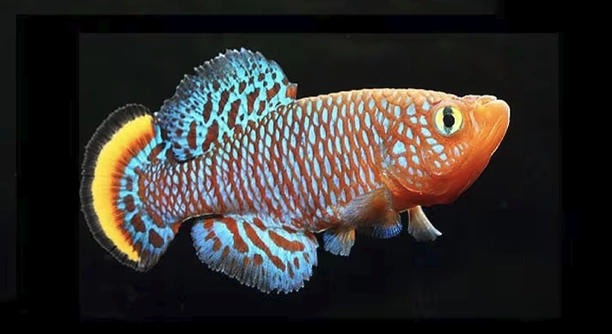
Killi fry are small, delicate fish that many hobbyists enjoy keeping. They need careful attention to thrive and grow healthy. Many people struggle to keep their killi fry alive despite their best efforts.
The main reasons killi fry fail to survive include poor water quality, incorrect temperature, inadequate food, and lack of proper care. These factors directly affect their health and development, leading to high mortality rates in young fry populations.
Understanding these common challenges will help improve your success rate and create a better environment for your killi fry to flourish over time.
Poor Water Quality
Keeping water clean is one of the most important things for killi fry survival. Dirty water quickly becomes toxic and can harm these tiny fish. Even small amounts of waste, leftover food, or uneaten flakes can cause ammonia and nitrite levels to rise. These chemicals stress the fry and weaken their immune systems. It’s best to test the water regularly and do small, frequent water changes. Using a sponge filter is gentle and effective, keeping the water moving without sucking in fry. Avoid strong currents, as young killi fry are weak swimmers. Maintaining stable water parameters also reduces stress, which improves their chances of survival.
Water temperature and pH should be checked alongside cleanliness. Both play key roles in keeping killi fry healthy.
Keeping water clean and balanced means healthier fry that grow stronger and are less likely to fall ill or die early.
Temperature Fluctuations
Killi fry need stable temperatures to grow well. Sudden changes can shock them and lower their survival chances.
Maintaining a constant temperature between 72°F and 78°F is ideal for most killi fry species. Avoid placing tanks near windows or heaters where temperature swings occur. Using an aquarium heater with a reliable thermostat helps keep conditions steady. Temperature swings cause stress that weakens their bodies and slows growth. It may also make them more prone to diseases. Monitoring temperature daily ensures you can act quickly if it starts to drift. Keeping the water stable supports proper development and reduces fry deaths. Proper temperature control creates an environment where killi fry can thrive and reach maturity.
Inadequate Feeding
Killi fry need very small, frequent meals to grow properly. Large or infrequent feedings can cause malnutrition or poor water quality.
Feeding newly hatched killi fry tiny live foods like infusoria or baby brine shrimp is essential. These foods are small enough for fry to eat and full of nutrients. Dry or large foods can be hard for them to digest or even ignored. Overfeeding can pollute the water, stressing the fry. It’s best to feed small amounts three to five times a day, ensuring they eat quickly and the tank stays clean. Watching their feeding habits helps adjust portions to their needs.
Gradually, as fry grow, you can introduce slightly larger foods like microworms or finely crushed flakes. Balanced nutrition supports steady growth and lowers the risk of weak or dying fry.
Lack of Hiding Places
Killi fry feel vulnerable and need places to hide from stress and potential tank mates.
Providing plenty of plants, moss, or artificial shelters gives fry a safe space to retreat. Without hiding spots, fry may become stressed, leading to weaker immune systems and increased death rates. Dense vegetation also helps maintain water quality by absorbing excess nutrients. Fry use these areas to rest and avoid strong currents, improving their survival chances. It is important to arrange the tank so hiding spots are easily accessible but do not block food or oxygen flow. Creating a secure environment helps fry grow with less stress and better overall health.
Overcrowding
Too many fry in one tank can cause stress and poor water conditions. Overcrowding limits space, making it hard for fry to grow and swim freely.
Crowded tanks also lead to faster buildup of waste, which harms water quality. Fry can compete for food, leaving weaker ones underfed and more vulnerable to disease.
Using Tap Water Without Treatment
Tap water often contains chlorine and chloramine, which are harmful to killi fry. Always treat tap water with a water conditioner before adding it to the tank. This removes toxic chemicals and makes the water safe. Untreated tap water can cause fry to die quickly from poisoning.
Poor Tank Maintenance
Regular cleaning and monitoring are essential. Ignoring these tasks causes harmful buildup of waste and toxins, which can kill your fry.
Why are my killi fry dying shortly after hatching?
Killi fry often die soon after hatching due to poor water conditions. Newborn fry are very sensitive to ammonia, nitrites, and sudden changes in temperature or pH. Even small amounts of leftover food or waste can raise toxin levels quickly. Without proper filtration and regular water changes, the environment becomes harmful. It’s also important to avoid overcrowding since too many fry increase waste and stress. Providing gentle filtration, clean water, and stable temperature gives your fry the best start.
How often should I feed killi fry, and what should I feed them?
Feed killi fry small amounts multiple times a day—ideally three to five feedings. Newly hatched fry need tiny, nutrient-rich live foods like infusoria or baby brine shrimp because they can easily digest these. Avoid large flakes or pellets at first, as fry can’t eat them. Overfeeding leads to water pollution, so give only what they can eat in a few minutes. As they grow, introduce microworms or finely crushed flakes gradually.
Can I keep adult killi fish and fry together?
Adult killis may eat their fry, especially if the tank is small and hiding places are limited. It’s better to separate fry into a breeding or nursery tank to protect them. Providing plenty of plants or moss in the fry tank offers shelter, reducing stress and predation risks. Keeping adults and fry apart increases fry survival significantly.
What water parameters are best for killi fry?
Most killi fry thrive in slightly acidic to neutral water with a pH between 6.5 and 7.5. Temperature should stay steady around 72°F to 78°F. Avoid sudden shifts in pH or temperature, which stress fry and cause health problems. Regular water testing and using a heater with a thermostat can help maintain stable conditions. Clean, soft water mimics their natural habitats and supports healthy growth.
How important is tank size for raising killi fry?
Tank size matters because small tanks limit space, oxygen, and water quality. A larger tank spreads out waste and gives fry more room to swim and grow. A 10-gallon tank or bigger is usually best for raising fry. Larger tanks also make it easier to maintain stable water conditions. If space is tight, keep fewer fry to prevent overcrowding and stress.
Why do killi fry sometimes refuse to eat?
Refusal to eat may be caused by stress, poor water quality, or unsuitable food size. Fry may also stop eating if the temperature is too low. Offering live foods like infusoria or baby brine shrimp that match their size helps encourage feeding. Ensuring a calm, stable environment reduces stress and improves appetite.
How often should I change water in a fry tank?
Small, frequent water changes are best—about 10-20% every two to three days. This removes toxins without shocking the fry. Avoid large water changes, which can cause temperature and pH swings. Always use treated water that matches tank temperature to prevent stress. Maintaining clean water keeps fry healthy and lowers death rates.
What signs show that killi fry are stressed or sick?
Stressed or sick fry may swim erratically, hide more than usual, or lose appetite. You might see faded colors, clamped fins, or slow movement. Sometimes fry gather at the surface gasping for air, which can signal low oxygen or poor water quality. Early detection helps prevent losses. Check water parameters and adjust feeding or tank setup if you notice these signs.
Can I use a filter for a fry tank?
Yes, but choose a gentle filter like a sponge filter that won’t suck in tiny fry. Sponge filters provide good filtration and oxygenation while being safe. Avoid strong currents that can tire out or harm fry. Regularly clean the filter sponge without using harsh chemicals to keep beneficial bacteria healthy.
How long does it take for killi fry to become free-swimming?
Killi fry usually become free-swimming around three to five days after hatching. During this time, they absorb their yolk sacs and start hunting for food. It’s important to have suitable food ready before they reach this stage so they can begin feeding immediately. Proper care during these first days increases their survival chances greatly.
Raising killi fry can be challenging, but understanding their basic needs makes a big difference. These tiny fish require clean water, stable temperature, and proper food to survive and grow. Many losses happen because these needs are not fully met. Paying attention to water quality, feeding schedules, and tank conditions helps create a safe environment where fry can thrive. Even small mistakes like overfeeding or skipping water changes can cause problems. By keeping things simple and consistent, you improve your chances of raising healthy killi fry successfully.
It’s also important to be patient and observe your fry closely. Watching how they behave and grow gives clues about their health and tank conditions. Stress signs, lack of appetite, or unusual swimming can show when something is wrong. Adjusting care based on these signs will help prevent bigger issues. Using a separate tank for fry and giving them hiding places reduces stress and protects them from adult fish. Remember that every species may have slightly different needs, so learning about the specific type of killi fish you have is useful.
Overall, keeping killi fry alive takes time and effort, but it can be very rewarding. These small fish are fascinating to watch as they grow and develop their colors and patterns. Success comes from steady care and understanding the common reasons fry don’t survive. With clean water, proper feeding, and careful attention, you can enjoy healthy killi fry that grow into strong adult fish. Taking the time to meet their needs means your fish will have a better chance to live and flourish.

Hello,
If you enjoy the content that we create, please consider saying a "Thank You!" by leaving a tip.
Every little bit helps us continue crafting quality advice that supports the health, happiness, and well-being of pets around the world, for pets of all shapes, sizes, and species.
We really appreciate the kindness and support that you show us!