
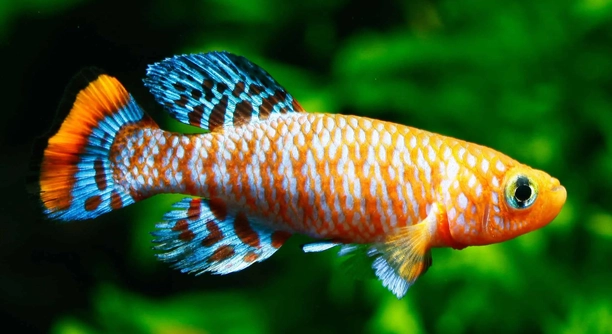
Are you considering adding killifish to your nano aquarium setup? These small, colorful fish often attract attention for their unique patterns and lively behavior. Their size and activity make them a popular choice for compact tanks.
Killifish can be suitable for nano aquariums if their specific needs are met, including stable water conditions, appropriate tank size, and suitable tank mates. Careful attention to their habitat ensures their well-being and longevity in small environments.
Understanding how to create the right environment for killifish will help maintain a healthy and vibrant nano aquarium. This guide will explain key factors to consider before introducing them to your setup.
Understanding Killifish Behavior in Small Tanks
Killifish are known for their vibrant colors and active swimming, which make them stand out even in small tanks. They are generally peaceful but can be territorial during breeding periods. In nano aquariums, their limited space means they may feel stressed if overcrowded or if hiding spots are insufficient. Providing plants and small decorations can help create a comfortable environment and reduce stress. Killifish also prefer calm waters with stable temperatures and clean conditions. Because of their size, they do well in tanks that range from 5 to 10 gallons, but space should be carefully managed to avoid aggression or health problems.
Their behavior can be unpredictable without proper care, so it is essential to monitor their interactions closely. Observing them regularly helps in spotting early signs of stress or illness.
Creating a natural environment with plants and soft substrate mimics their native habitat. This not only enhances their colors but also encourages natural behavior, such as hunting small live food. Killifish are jumpers, so a secure lid is necessary. Feeding should include a mix of high-quality flakes, frozen, and live foods to keep them healthy and vibrant.
Tank Setup Essentials for Killifish in Nano Aquariums
A nano aquarium setup for killifish requires precise attention to water quality and tank layout.
Maintaining clean, slightly acidic to neutral water is crucial. A gentle filter prevents strong currents that can overwhelm killifish. Regular water changes keep nitrate levels low, supporting their sensitive nature. Tank plants, moss, and small caves provide hiding places, reducing stress and territorial disputes.
The right environment ensures killifish thrive. It is best to avoid aggressive or larger fish that may intimidate them. The combination of water conditions, tank size, and peaceful companions is key to maintaining a balanced and healthy nano aquarium. Keeping the tank stable and clean supports the delicate balance killifish need to flourish.
Feeding Killifish in Nano Aquariums
Killifish require a varied diet to stay healthy. They thrive on live or frozen foods, such as brine shrimp and daphnia. High-quality flakes or pellets can supplement their diet but should not be the sole food source.
Feeding killifish a balanced diet mimics their natural eating habits and supports their vibrant colors. Live foods encourage hunting behavior and provide essential nutrients. Overfeeding should be avoided to maintain water quality. Small portions once or twice daily are usually enough. Observing their eating patterns helps prevent leftover food from polluting the tank, which is especially important in nano setups where water quality can deteriorate quickly.
In a nano aquarium, maintaining cleanliness is critical. Uneaten food must be removed promptly to avoid ammonia spikes. Feeding should match the number of fish and their size to reduce waste. Regularly offering varied foods keeps killifish interested and healthy. A well-planned feeding routine supports both fish well-being and tank stability.
Selecting Compatible Tank Mates
Choosing peaceful tank mates is essential for a killifish nano aquarium. Small, non-aggressive species that tolerate similar water conditions work best.
Avoid large or territorial fish that may stress killifish. Suitable companions include small tetras, shrimp, or snails. These species coexist peacefully without competing for space or food. Proper selection reduces aggression and helps maintain a calm environment. Compatibility ensures all inhabitants thrive together.
Compatibility involves matching water parameters, behavior, and tank size needs. Introducing too many or incompatible fish can lead to stress or injury. Monitoring interactions after introduction is important to prevent conflicts. Thoughtful selection and observation create a balanced, peaceful nano aquarium community.
Water Quality Management
Maintaining stable water quality is crucial for killifish health. Frequent water changes help keep ammonia and nitrate levels low.
Testing water regularly ensures parameters like pH and hardness stay within safe limits. Killifish prefer slightly acidic to neutral water, so adjustments may be necessary.
Lighting and Temperature Control
Killifish thrive in moderate lighting that mimics their natural environment. Avoid intense lights that can stress them.
Temperature should be steady, ideally between 72°F and 78°F. Sudden changes can harm their health. Using a reliable heater and thermometer helps maintain consistent conditions.
Common Health Issues
Killifish are generally hardy but can suffer from parasites and fungal infections if water quality declines. Preventing illness starts with clean water and proper diet.
Tank Maintenance Tips
Regular cleaning of the tank and filter extends killifish lifespan. Removing debris and monitoring water quality are essential tasks.
FAQ
What size nano aquarium is best for killifish?
A tank between 5 and 10 gallons works well for most killifish species. This size provides enough space for swimming and hiding spots without overcrowding. Keeping the population low helps reduce stress and maintains water quality more easily in small setups.
Can killifish live with other fish in a nano aquarium?
Yes, but careful selection is important. Peaceful, small species that share similar water preferences are best. Avoid larger or aggressive fish that can bully or stress killifish. Suitable tank mates include small tetras, snails, or shrimp, which generally coexist without issues.
How often should I change the water in a killifish tank?
Weekly water changes of about 20-30% are recommended to keep water clean and stable. Frequent water changes reduce harmful ammonia and nitrate buildup, which is critical in small tanks. Monitoring water parameters helps determine if more frequent changes are needed.
What do killifish eat in captivity?
Killifish prefer live or frozen foods like brine shrimp, daphnia, and bloodworms. These foods provide essential nutrients and encourage natural hunting behavior. High-quality flakes or pellets can supplement their diet but should not replace live foods entirely.
How do I prevent killifish from jumping out of the tank?
Killifish are known jumpers. A tight-fitting lid or cover is necessary to keep them safely inside. Leaving gaps can lead to accidental escapes, which are often fatal due to their small size and delicate nature.
What water parameters do killifish prefer?
They thrive in slightly acidic to neutral water, with a pH between 6.0 and 7.0. Water hardness should be soft to moderately hard. Temperature is best maintained between 72°F and 78°F. Stable conditions help prevent stress and illness.
How many killifish can I keep in a nano aquarium?
For a 5 to 10-gallon tank, 3 to 5 killifish is ideal. This number provides enough space for territory without overcrowding. Overcrowding leads to stress, poor water quality, and possible aggression among fish.
Are killifish difficult to breed in nano tanks?
Breeding is possible but requires attention to water conditions and tank setup. Killifish lay eggs on plants or spawning mops. Separating the adults after spawning protects the eggs. Providing soft, clean water improves breeding success.
What signs indicate stress or illness in killifish?
Common signs include lethargy, loss of appetite, faded colors, and erratic swimming. White spots or fungus on the body may also appear. Early detection allows for prompt treatment and helps prevent serious health problems.
How important are plants in a killifish tank?
Plants provide hiding spots, improve water quality, and mimic the natural environment. They reduce stress and encourage natural behavior. Mosses, floating plants, and small-leaf varieties work best in nano tanks.
Can I keep killifish in tap water?
Tap water can be used if treated properly to remove chlorine and chloramines. Using a water conditioner is necessary. Testing and adjusting pH and hardness ensure the water meets killifish needs.
Do killifish require special lighting?
Moderate lighting is best. Too bright light can stress them, while low light supports their natural activity patterns. Plants also benefit from balanced lighting, enhancing the overall tank environment.
What should I do if my killifish shows signs of illness?
Isolate the affected fish if possible and test water quality immediately. Treating with appropriate medications for parasites or fungal infections helps recovery. Maintaining good water conditions and diet supports their immune system.
How often should I clean the filter in a nano aquarium?
Clean the filter every 2 to 4 weeks, depending on tank bioload. Avoid cleaning all filter media at once to preserve beneficial bacteria. Rinse media gently in tank water during changes to maintain the biological filter.
Is it necessary to cycle a nano aquarium before adding killifish?
Yes, cycling establishes beneficial bacteria that process waste. This prevents toxic ammonia and nitrite buildup. Cycling usually takes 4 to 6 weeks, but using filter media from an established tank can speed up the process.
Are killifish sensitive to water changes?
They prefer gradual changes. Sudden large water changes can cause stress. Small, regular water changes are safer and help maintain stable water conditions.
What is the lifespan of killifish in a nano aquarium?
Killifish typically live 2 to 3 years with proper care. Some species may live longer under optimal conditions. Good water quality, diet, and tank maintenance support their longevity.
Can I keep multiple killifish species together?
Mixing species is possible but may increase aggression or stress. Research each species’ behavior and tank requirements before combining them. Providing ample space and hiding spots reduces conflicts.
How do I acclimate new killifish to a nano aquarium?
Float the sealed bag in the tank for 15-20 minutes to equalize temperature. Slowly add small amounts of tank water to the bag over 30-60 minutes. This gradual acclimation reduces shock and helps the fish adjust smoothly.
What kind of substrate is best for killifish tanks?
Fine gravel or sand works well, providing a natural bottom. It supports plant roots and allows for easy cleaning. Avoid sharp substrates that can injure delicate fish.
Are killifish active during the day or night?
Killifish are mostly active during the day, especially at dawn and dusk. Providing a consistent light cycle helps regulate their activity and supports healthy behavior.
Killifish can be a great addition to a nano aquarium when their specific needs are carefully met. Their small size and vibrant colors make them attractive for compact tanks, but it is important to provide a suitable environment. Ensuring proper water quality, stable temperature, and enough hiding places helps keep killifish healthy and reduces stress. Their natural behaviors and active swimming add life to small spaces, making the effort to care for them worthwhile. Understanding their requirements before setting up the tank can prevent many common issues and create a balanced habitat for them to thrive.
In a nano aquarium, space is limited, so every detail counts. Choosing peaceful tank mates and feeding a varied diet supports their well-being. Regular maintenance like water changes and cleaning helps maintain stable conditions, which killifish rely on to stay healthy. Their sensitivity to water parameters means sudden changes should be avoided. Using live or frozen foods encourages natural hunting instincts and keeps them active. Providing a gentle environment with moderate lighting and a secure lid ensures safety and comfort for these small fish.
Overall, killifish are suitable for nano aquariums when attention is given to their care and habitat needs. They require a thoughtful setup but reward with unique colors and interesting behavior. Creating a well-maintained tank benefits both the fish and the owner, offering a small but vibrant aquatic display. Taking time to learn about killifish care increases the chance of success and enjoyment. Their presence can bring a lively and colorful touch to small aquarium spaces when cared for properly.

Hello,
If you enjoy the content that we create, please consider saying a "Thank You!" by leaving a tip.
Every little bit helps us continue crafting quality advice that supports the health, happiness, and well-being of pets around the world, for pets of all shapes, sizes, and species.
We really appreciate the kindness and support that you show us!