
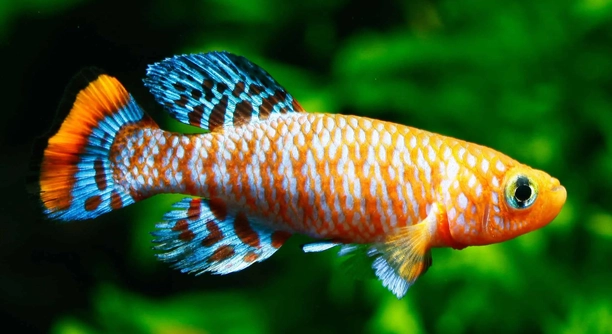
Killifish are popular freshwater fish often kept in home aquariums. Their behavior and activity patterns can sometimes confuse owners. Understanding whether these fish are active during the day or night helps in providing the right care.
Killifish species vary, but most are diurnal, meaning they are active during daylight hours. Their activity peaks with light, while they rest or hide during nighttime. This pattern supports their feeding habits and natural environment behaviors.
Knowing their daily activity cycle can improve how you care for your killifish. It also helps create a more natural and comfortable habitat for them.
Understanding Killifish Activity Patterns
Killifish are generally diurnal, which means they are most active during the day. In their natural habitats, they use daylight hours for feeding, exploring, and interacting with their environment. At night, they tend to rest or hide among plants and decorations. This behavior helps them avoid predators and conserve energy. Observing their daily routine can make it easier to recognize when they are stressed or unwell. Light plays a crucial role in regulating their activity, so maintaining a consistent day-night cycle in the aquarium is important. Sudden changes in lighting can confuse killifish and disrupt their behavior. Some species may show slight variations, but the majority follow this diurnal pattern closely. Setting up your tank with natural light periods will support their health and well-being. Keeping this in mind helps create a stable environment that mimics their natural conditions as closely as possible.
Most killifish respond well to a regular lighting schedule that mimics natural daylight hours, typically 10 to 12 hours of light.
Providing a proper lighting routine not only encourages normal activity but also supports their feeding habits and overall health. This stability reduces stress and helps the fish thrive, making it easier for you to observe their natural behavior throughout the day.
Feeding and Care Tips for Killifish
Killifish prefer live or frozen foods that they can hunt during daylight hours.
Feeding killifish during their active daytime period aligns with their natural hunting instincts. Offering small, frequent meals of live foods like brine shrimp or bloodworms encourages natural foraging behavior. It is important to avoid overfeeding, as excess food can harm water quality. A varied diet keeps them healthy and vibrant. At night, they rarely eat, so feeding should be limited to daylight hours. Creating a tank environment with hiding spots and plants supports their resting needs after dark. This balance between activity and rest ensures they remain stress-free and active when awake. Observing their behavior during feeding times helps in adjusting diet and tank conditions to fit their specific needs. Overall, matching care practices with their diurnal cycle leads to a healthier, more natural life for killifish.
Killifish Nocturnal Behavior
Most killifish are not nocturnal; they rarely show activity during nighttime. They tend to seek shelter and remain still to avoid predators. This resting period is crucial for their health and energy restoration.
Occasionally, some species may exhibit limited activity after dark, but this is uncommon. Their natural instincts lead them to stay hidden and conserve energy until daylight returns. Providing adequate hiding spaces in the aquarium supports this behavior. Without proper shelter, killifish can become stressed, which affects their health. Understanding their low nighttime activity helps in setting appropriate tank lighting and feeding schedules. This knowledge makes it easier to maintain a healthy environment that matches their natural rhythm.
Some hobbyists have noticed subtle movements or brief activity during dim light, but these moments are short-lived and don’t reflect true nocturnal habits. Killifish primarily rely on daylight for their behavior patterns, emphasizing their diurnal nature.
Adjusting Aquarium Lighting for Killifish
Proper lighting supports killifish’s natural activity and rest cycles. A timer helps maintain consistency. Avoid sudden light changes that may stress the fish.
A consistent light schedule, generally 10 to 12 hours of light daily, encourages normal behavior. Too much light can cause stress, while too little may reduce activity and feeding. Gradual transitions between light and dark periods are beneficial and mimic natural dawn and dusk. Using low-intensity lights during transition times can ease the change for the fish. Positioning lights to avoid direct glare helps keep killifish comfortable. Observing how your fish respond to lighting can guide adjustments. Proper lighting improves their overall health and enhances their colors, making the aquarium more enjoyable.
Regular light cycles also help plants in the tank thrive, contributing to a balanced ecosystem. This natural balance supports killifish well-being over time.
Killifish Sleeping Habits
Killifish usually sleep during the night, remaining motionless in safe spots. This rest helps them regain energy for daytime activities.
Their sleeping behavior involves finding sheltered areas, like dense plants or tank decorations. This instinctive choice protects them from potential threats during vulnerable periods.
Tank Setup for Killifish Comfort
A well-planted tank with plenty of hiding spots mimics the killifish’s natural environment. These features reduce stress and encourage natural behaviors. Including floating plants helps diffuse light, creating shaded areas for resting. Proper shelter supports their day-night cycle and promotes overall well-being.
Common Killifish Activity Times
Killifish are most active shortly after lights turn on. This is their prime feeding and exploring period. They remain alert and busy through the daylight hours before settling down as evening approaches.
Recognizing Stress in Killifish
Changes in activity levels, such as excessive hiding or lethargy, may indicate stress. Monitoring behavior closely helps maintain a healthy aquarium environment.
FAQ
Are killifish strictly diurnal?
Most killifish species are diurnal, meaning they are active during the day. They rely on daylight to feed, explore, and interact with their surroundings. While some species may show brief activity in low light, this is rare and not considered true nocturnal behavior. Keeping a regular day-night light cycle helps support their natural routine.
Can killifish adapt to nocturnal activity?
Killifish generally do not adapt well to nocturnal activity. Their biology and instincts favor daytime activity. Forcing a reversed light cycle can stress them and disrupt feeding patterns. It’s best to maintain consistent daylight hours that match their natural habitat for optimal health.
What should I feed killifish and when?
Feed killifish during their active hours, typically in the morning and early afternoon. They prefer live or frozen foods like brine shrimp, daphnia, or bloodworms. These foods support their natural hunting behavior. Avoid feeding at night since they rest and rarely eat during those hours.
How important is tank lighting for killifish?
Tank lighting is very important as it regulates killifish behavior. A consistent light schedule of about 10 to 12 hours per day mimics natural conditions. Sudden changes or too much light can cause stress. Using a timer ensures steady light periods and gradual transitions between light and dark.
Do killifish need hiding spots?
Yes, hiding spots are essential for killifish. They use these areas to rest at night and feel secure during the day. Dense plants, rocks, and decorations create natural shelters. Without adequate hiding places, killifish can become stressed, which impacts their health and activity levels.
Can killifish be active in dim or low light?
Killifish may show minor activity in dim light but generally remain less active than during full daylight. Their vision and behavior are adapted to bright environments. Dim or low light periods often serve as transition times to help them adjust between activity and rest.
How do I know if my killifish is stressed?
Signs of stress include excessive hiding, loss of appetite, lethargy, and erratic swimming. Stress often results from poor water quality, improper lighting, or lack of shelter. Monitoring these signs early allows for quick adjustments to improve tank conditions and fish health.
Is it normal for killifish to hide during the day?
Killifish may hide during the day if they feel threatened, sick, or stressed. Otherwise, they are typically active when the lights are on. Providing plenty of hiding places helps them feel safe, but prolonged hiding can signal health or environmental issues that need attention.
How does water temperature affect killifish activity?
Killifish are sensitive to water temperature changes. Ideal temperatures range between 72°F and 75°F (22°C to 24°C). Too cold or too warm water can reduce activity levels and cause stress. Maintaining stable temperatures supports their normal daytime behavior and overall well-being.
Do killifish need a day-night cycle?
Yes, killifish thrive with a regular day-night cycle. This cycle controls their feeding, resting, and breeding behaviors. Without it, they can become confused and stressed. Using timers on aquarium lights helps keep their environment consistent and healthy.
Can killifish recognize their owners?
Killifish do not typically recognize owners like some other fish species. They respond mainly to movement and feeding routines. Consistent interaction during feeding times may make them more comfortable around you, but recognition is limited.
Are killifish territorial?
Many killifish species show territorial behavior, especially males. Providing enough space and hiding spots reduces aggression. Overcrowding or lack of shelters can lead to fights. Understanding their social needs helps maintain peace in the tank.
How long do killifish stay active each day?
Killifish are active throughout most daylight hours, usually around 10 to 12 hours. Their energy peaks in the morning and afternoon, with resting periods during midday and nighttime. Proper lighting and feeding schedules support this natural cycle.
Can killifish survive without light?
Killifish need some light to regulate their behavior and health. Complete darkness for extended periods can cause stress and disrupt feeding. While they can tolerate low light briefly, a regular light schedule is necessary for their well-being.
What is the best way to simulate natural conditions for killifish?
Simulating natural conditions includes providing a day-night light cycle, appropriate temperature, hiding spots, and a varied diet. These elements support their diurnal behavior and overall health. Observing their natural habits helps tailor care to meet their needs accurately.
Do killifish need specific water conditions?
Yes, killifish prefer slightly acidic to neutral pH (6.0–7.5) and soft to moderately hard water. Clean, stable water quality is essential. Regular testing and maintenance keep the environment healthy and support their activity patterns.
How can I tell if my killifish is nocturnal?
True nocturnal behavior in killifish is rare. If your fish shows increased activity only during dark hours, it may indicate stress or illness rather than natural behavior. Observing consistent daytime activity is a better sign of normal health.
Are killifish sensitive to sudden light changes?
Yes, killifish can be startled or stressed by sudden changes in lighting. Gradual transitions between light and dark periods are better. Using dimmers or timers helps reduce stress and promotes natural behavior.
Can killifish live with nocturnal fish species?
Killifish can live with nocturnal species if tank conditions meet the needs of both. It’s important to balance lighting, feeding times, and hiding spaces. Compatibility depends on the specific fish involved and their behavior patterns.
How does feeding frequency affect killifish activity?
Feeding killifish small amounts multiple times a day matches their natural foraging habits. This encourages regular activity and prevents overfeeding. Feeding only once or twice daily can lead to overeating or inactivity.
What role does light intensity play in killifish behavior?
Light intensity influences killifish comfort and activity. Moderate light that mimics natural conditions is best. Too bright or harsh lighting can cause stress, while very dim light reduces their activity and feeding response. Adjusting light intensity helps maintain a healthy tank environment.
Killifish are mostly active during the day, following a diurnal pattern that shapes their behavior and care needs. Understanding this helps create a better environment for them. Their daytime activity includes feeding, exploring, and interacting with their surroundings, while at night they rest quietly in safe spots. Providing a consistent light cycle that mimics natural daylight is important for keeping killifish healthy and comfortable. This routine supports their natural rhythms and reduces stress, allowing them to thrive in an aquarium setting. Knowing these patterns also helps avoid mistakes in feeding or lighting that could disrupt their normal behavior.
Creating a proper habitat for killifish involves more than just light. Including plenty of plants, decorations, and hiding spots allows them to feel secure and rest properly when they are not active. These elements mimic the environments killifish would find in the wild, giving them places to hide from potential threats and relax during their inactive periods. Water quality and temperature should also be maintained within ideal ranges to support their health and activity. Regular feeding with appropriate foods during daylight hours encourages natural hunting behavior and keeps killifish energetic. Attention to these details ensures that killifish remain lively and display their best colors.
Overall, caring for killifish means respecting their natural daily cycles and needs. Their diurnal behavior guides how their tank should be set up, how lighting should be managed, and when feeding should occur. Observing killifish closely helps spot any signs of stress or illness early, allowing timely care adjustments. By keeping their environment stable and natural, killifish can live longer and healthier lives. This approach makes keeping these beautiful fish more rewarding and enjoyable. Understanding their behavior is the key to providing the best possible care.

Hello,
If you enjoy the content that we create, please consider saying a "Thank You!" by leaving a tip.
Every little bit helps us continue crafting quality advice that supports the health, happiness, and well-being of pets around the world, for pets of all shapes, sizes, and species.
We really appreciate the kindness and support that you show us!