
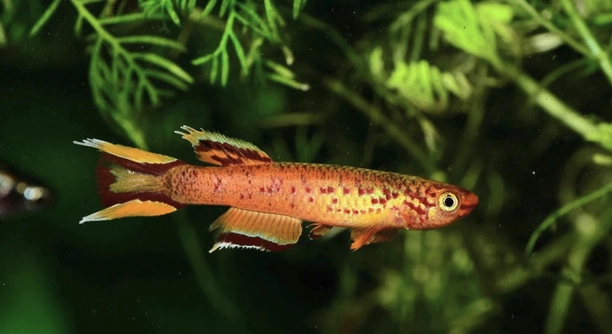
Do your killi fry seem weak or grow slowly, despite your best efforts to keep them healthy and active in the tank?
Raising stronger killi fry involves maintaining clean water, offering high-quality live foods, and controlling temperature fluctuations. Providing hiding spots and avoiding overcrowding also significantly supports growth, development, and survival in early stages.
With a few easy steps, you can create a safer and more stable environment that supports healthier, more resilient killi fry from the start.
Step 1: Keep the Water Clean and Stable
Clean water is the foundation for healthy fry. Ammonia and nitrites build up quickly in fry tanks, so daily checks and small water changes are necessary. Use a sponge filter to avoid sucking up fry and to maintain gentle circulation. Make sure the temperature stays between 72–78°F and avoid sudden changes. Add Indian almond leaves or a tiny bit of peat moss if you want to lower pH naturally. These small adjustments help reduce stress, improve immunity, and support steady growth. A consistent water routine will make your fry more active and improve their chances of survival.
Stick to regular 10–20% water changes instead of big ones. Sudden shifts can shock the fry and slow their development.
Once your water conditions are stable, you’ll notice stronger feeding responses and brighter coloration. A calm, clean tank allows fry to use their energy for growing instead of coping with stress. Avoid overcrowding to reduce waste and competition, and rinse your filter sponge weekly in tank water. Use a reliable heater to prevent fluctuations, and always treat tap water before use. These habits will become second nature and lead to healthier fry over time. Stability in the tank makes everything easier—from feeding to watching them thrive.
Step 2: Offer Proper Live Food
Live food helps fry grow fast and stay active.
Newly hatched brine shrimp are ideal in the first few weeks. They are rich in nutrients and small enough for tiny fry to eat. As the fry grow, add micro worms and vinegar eels to vary the diet. Avoid dry food during the early stages, as it can pollute the water and lacks the freshness fry need. Feed small amounts two to three times daily, removing uneaten food after ten minutes. Overfeeding leads to cloudy water and weak fry. Clean, live food supports muscle development and gives fry the energy they need to swim and explore.
You can culture live foods at home to save money and ensure freshness. Brine shrimp eggs are inexpensive and hatch within 24 hours using a simple setup—just a bottle, air pump, and saltwater. Micro worm cultures take little space and last weeks with basic care. Alternate food types to give fry a mix of nutrients. Watch how the fry chase and eat—stronger ones will dart quickly, showing healthy development. If some fry seem slower or thinner, offer food in several spots so everyone gets a chance to eat. Feeding live food consistently improves growth rate and makes the fry more resistant to stress and disease.
Step 3: Use a Separate Fry Tank
Keeping fry in a separate tank protects them from adult fish and gives them space to grow. It also makes it easier to manage food and water quality without interference from other tank mates.
A dedicated fry tank helps you control every detail. Use a sponge filter for gentle flow and safe filtration. Add live plants like Java moss to provide cover and microfauna fry can graze on between meals. Keep the tank bare-bottomed to easily clean waste and leftover food. A 5- to 10-gallon setup works well, depending on how many fry you have. This separate space prevents aggression from adults, reduces stress, and ensures your fry get the food and attention they need without competition.
It’s easier to notice problems when fry are isolated. You can track their growth better, spot sick or slow-developing individuals early, and adjust feeding if needed. A clean, quiet space builds confidence and encourages natural behavior. Once they’re large enough to avoid being eaten, you can move them into the main tank or a grow-out tank. If you’re raising several batches, label tanks with hatch dates so you can organize care schedules. Having this setup really simplifies fry care and improves survival rates.
Step 4: Maintain a Consistent Feeding Schedule
Fry need small meals often to grow well and stay strong. Irregular feeding leads to weak, underdeveloped fry that struggle later on.
Offer live food two to three times a day at set times. Try feeding in the morning, early afternoon, and early evening to match their energy cycles. Only provide what they can finish in ten minutes. Uneaten food should be removed quickly to avoid polluting the water. Stick to the schedule every day—even weekends. As fry grow, increase the portion size slightly, but continue feeding in smaller amounts rather than dumping in a large portion. Consistent feeding builds habits and helps fry develop predictable hunger responses, which supports better digestion.
It’s helpful to set alarms or reminders for feedings, especially when juggling daily responsibilities. Make sure food cultures are ready in advance to avoid missed meals. If you’re away, ask someone you trust to follow the same feeding times and amounts. Avoid feeding at random intervals, as it confuses fry and disrupts growth. You’ll notice more even development and fewer losses when fry eat consistently. Also, record feeding times and types in a small notebook or app. It doesn’t take much time and helps you stay organized. Regular meals help killi fry become stronger, more active, and better prepared for later transitions.
Step 5: Avoid Overcrowding the Tank
Too many fry in one tank can lead to poor water quality, slow growth, and higher stress levels. Each fry needs enough space to swim, rest, and feed without constant competition from others.
If your tank starts to feel crowded, move some fry to another tank or container with proper filtration and heating.
Step 6: Watch for Uneven Growth
Some fry will grow faster than others. The larger ones may outcompete the smaller ones for food and space. If the size difference becomes too noticeable, separate them into groups. This prevents bullying and allows the smaller fry to catch up. You can use small containers with air-driven filters or breeder boxes inside the main tank. Be sure each group still has clean water and proper food access. Keeping similar-sized fry together helps improve their growth rate and lowers stress. Always monitor how they interact during feeding and adjust the groups if needed. This small step makes a noticeable difference in survival.
Step 7: Keep the Lights Low
Bright lighting can startle young fry and make them feel exposed. Use a dim light or cover part of the tank to create shaded areas.
FAQ
How soon can I start feeding killi fry after they hatch?
You can begin feeding killi fry within 24–48 hours after hatching. By then, their yolk sacs are mostly absorbed, and they’re ready to eat small live foods. Newly hatched brine shrimp are usually the best option at this stage. If you don’t have brine shrimp, infusoria or vinegar eels work as backup. Be sure the food moves gently in the water, as fry are more likely to eat things that wiggle. Feed small amounts at first, then increase as their appetites grow.
Do killi fry need a heater in their tank?
Yes, fry tanks should have a stable temperature, usually between 72–78°F depending on the species. A small adjustable heater helps avoid dangerous temperature swings, especially in cooler rooms. Fluctuations can slow growth and weaken their immune system. Always use a thermometer to monitor the water and keep it consistent. Low heat or sudden drops may seem harmless, but they affect how well your fry eat, digest, and grow.
What size tank is best for raising fry?
A 5- to 10-gallon tank is ideal for most killi fry, especially if you’re raising a single spawn. It gives them space to grow while being small enough to manage water changes and food distribution easily. Bare-bottom tanks work best for keeping them clean, and they make it easier to vacuum out waste.
How often should I clean the fry tank?
Daily or every-other-day maintenance is best. Remove uneaten food, wipe the glass if needed, and perform small 10–20% water changes. Don’t wait for the tank to look dirty. Fry are sensitive, and ammonia can build up quickly in small tanks. Stick to gentle cleaning to avoid stressing them.
Can I raise killi fry in the main tank with adults?
It’s not recommended. Adult killifish often eat their own fry, especially if food is scarce. Even if they don’t eat them, adults may outcompete the fry during feeding and create stress through movement and aggression. A separate fry tank helps them grow without threats.
Do fry need light at night?
No, fry do not need light at night. They benefit from a natural light cycle, with 10–12 hours of light during the day and darkness at night. Constant lighting can stress them out and affect rest. Use a timer if needed to keep lighting consistent.
What’s the best way to culture food for fry?
Brine shrimp are the top choice. Use a bottle with saltwater, an air pump, and eggs. They hatch in about 24 hours. Micro worms and vinegar eels are also easy to maintain and good backup foods. Keep multiple cultures so you always have fresh food ready.
When can I start feeding dry food?
Wait until the fry are at least 3–4 weeks old and growing steadily. Introduce crushed flakes or powdered fry food slowly, starting with very small amounts once per day. Always watch how the fry react, and continue offering live food as the main diet during early development.
What signs show my fry are healthy?
Healthy fry swim actively, show steady growth, and have a good feeding response. Their colors slowly brighten over time, and their bodies look full but not bloated. If fry hide constantly, appear thin, or ignore food, something may be off—check water quality and feeding habits first.
How long does it take for killi fry to reach juvenile size?
Most killi fry reach juvenile size in 4–6 weeks, depending on species, temperature, and diet. Fast growers under ideal conditions may be ready even sooner. Once they’re big enough not to fit in an adult’s mouth, they can be moved to a grow-out or adult tank.
Final Thoughts
Raising stronger killi fry takes consistency, patience, and attention to detail. These small fish are delicate in the beginning, but with the right setup and daily care, they grow into healthy, active juveniles. Clean water, gentle filtration, and proper feeding all play a big part in their development. A separate fry tank is helpful for control and makes it easier to monitor growth and prevent problems. Each step—from feeding live food to keeping stable temperatures—works together to give your fry the best chance to survive and thrive. Once you get into a routine, the process becomes easier and more rewarding.
It’s important to remember that not all fry will grow at the same rate. Some may need more attention or a slightly different setup. Watching your fry and making small adjustments helps you catch issues early and prevent losses. If you notice weak behavior, uneven growth, or poor feeding, you can separate the fry, improve water quality, or adjust their diet. These little changes can make a big difference. Having a few extra supplies on hand, like a second heater or spare sponge filter, also helps when quick changes are needed. Over time, your experience will grow, and so will your confidence in raising strong fry.
Taking care of killi fry isn’t just about numbers or survival rates. It’s also about learning their behavior, responding to their needs, and giving them a calm, clean space to grow. Whether you’re raising a small batch or planning for more, sticking to the basics will help every group of fry develop better. Once they reach juvenile size, you can move them into larger tanks or start preparing for breeding again. Strong fry become strong adults, and that all begins with the care you provide in the earliest days. If you keep your process simple, organized, and steady, you’ll see better results and healthier fish in the long run.

Hello,
If you enjoy the content that we create, please consider saying a "Thank You!" by leaving a tip.
Every little bit helps us continue crafting quality advice that supports the health, happiness, and well-being of pets around the world, for pets of all shapes, sizes, and species.
We really appreciate the kindness and support that you show us!