
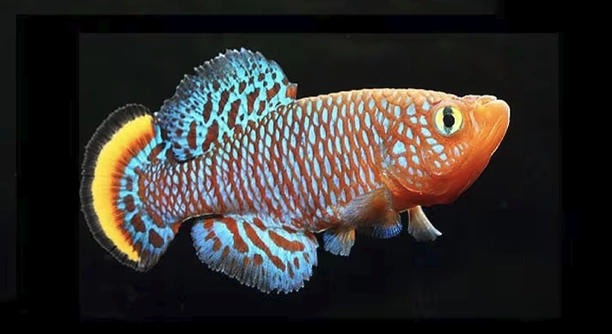
Do you ever find yourself worried about changing your killifish’s water without causing stress or harm to their delicate system?
The safest way to change water for killifish without causing shock is by performing small, frequent water changes using pre-treated, temperature-matched water. This method keeps water conditions stable and reduces stress on the fish.
Killifish thrive in steady conditions, and learning how to manage water changes properly can help keep them healthy and active long-term.
Change Small Amounts Frequently
Changing smaller amounts of water more often is a gentle way to maintain a clean tank without disturbing your killifish. Instead of doing one large change weekly, try removing 10–15% of the tank water every other day or three times a week. This helps reduce waste buildup while keeping water chemistry stable. Always match the temperature and condition the new water before adding it to the tank. Sudden shifts in temperature or chemistry can cause shock. By spreading out changes, you give the fish more time to adjust, making the process less stressful overall. This method is especially useful if you have sensitive or young killifish. Using a small siphon or turkey baster can help you target debris without stirring up the substrate too much. Over time, you’ll notice improved behavior and color in your fish, both signs they’re responding well to a more stable aquatic environment.
Even a few cups of clean water added regularly can improve tank quality and reduce stress on your killifish over time.
Make sure to monitor the tank parameters with a basic test kit. Keep an eye on ammonia, nitrite, nitrate, and pH. If your killifish seem more active, eat better, or show brighter colors, that’s a good sign the small changes are working. Consistency really helps.
Use Aged Water Stored In A Clean Container
Aged water is water that has been treated with a dechlorinator and left to sit in a clean container for at least 24 hours before use.
Using aged water gives chlorine time to dissipate fully and allows the water temperature to match the room. This helps prevent stress in killifish, who can react poorly to sudden changes in water chemistry or temperature. Store the treated water in a clean, food-safe container with a loose lid to keep out dust or debris. Try keeping enough water on hand to match the amount you regularly change, and always re-treat tap water with a water conditioner before aging it. If your container is plastic, make sure it doesn’t leach chemicals. Over time, you’ll find that aged water creates a more predictable and stable environment. This method is especially useful if you live in an area with variable tap water quality. Killifish benefit from consistency, and using aged water is one of the easiest ways to maintain that in your tank.
Match Temperature Carefully
Sudden temperature differences can cause killifish to go into shock, even if the water is clean. Always check the temperature of the new water and make sure it closely matches the tank before adding it in.
You can match the temperature by storing aged water in the same room as the aquarium or by using a small aquarium heater in your storage container. Some hobbyists also float the water container in the tank for 15–30 minutes before pouring. Use a thermometer to double-check — your hand alone isn’t enough. Try to keep the difference within 1–2 degrees Fahrenheit. This small step can make a big difference in helping your fish adjust calmly to water changes. Even hardy killifish can react poorly to temperature swings, especially if they’re older or have recently been moved or bred.
If you’re in a colder climate or experiencing seasonal drops in room temperature, pay extra attention to this step. A heater set just slightly lower than your tank’s temperature can help you stay consistent. Avoid guessing — investing in a digital thermometer is worth it. Consistently matching the temperature helps your killifish stay calm, active, and less prone to stress-related illness after water changes. It’s a simple habit that supports long-term health.
Condition Water Before Use
Tap water often contains chlorine, chloramine, or heavy metals that can harm killifish, even in small amounts. Using a water conditioner helps neutralize these substances, making the water safe. Make sure to treat water before adding it to the tank.
Choose a conditioner that works quickly and handles both chlorine and chloramine. Some also help detoxify ammonia and heavy metals, which can be especially helpful if your area has older plumbing. After conditioning, let the water sit uncovered for at least 20–30 minutes if possible. This gives the treatment time to settle and removes any lingering gases. Read the label for exact dosing instructions. Overdosing isn’t usually dangerous, but underdosing can be. Always treat water before it touches the tank. Killifish are more sensitive to chemicals than many other freshwater species, and even short exposure to untreated water can lead to health issues, stress, or death.
Pour Water Slowly and Gently
Fast pouring stirs up debris and shocks the fish. Use a small cup or pour the water against the side of the tank to slow the flow. This keeps the fish calm and avoids disturbing the substrate.
You can also pour new water over a clean sponge or into a filter area. This softens the impact and helps reduce stress. Killifish often react to strong movement, so slow pouring is a simple way to keep their environment peaceful during water changes.
Clean Around the Same Time Each Week
Keeping a regular schedule helps your killifish adjust to changes more easily. Choose a specific day or two during the week and try to stick to it. Consistent routines help reduce stress, especially for fish that are easily startled. When water changes happen around the same time, killifish tend to become less reactive. They begin to expect the movement and are less likely to hide or panic. This also makes it easier for you to remember and manage care. When cleaning is predictable, tank conditions remain more stable, and fish behavior often improves. A small habit like this supports steady health.
Avoid Deep Gravel Stirring
Digging too deep into the substrate during water changes can release built-up waste and harmful gases. Light surface cleaning is usually enough. Avoid full gravel disruption unless absolutely necessary.
FAQ
How often should I change the water for killifish?
Changing 10–15% of the water two to three times a week is ideal. This keeps the water clean without causing too much stress from large sudden changes. Smaller, frequent water changes help maintain stable conditions, which killifish prefer.
Can I use tap water directly for water changes?
No, tap water usually contains chlorine or chloramine, which can harm your fish. Always use a water conditioner to remove these chemicals before adding the water to your tank. Letting the water age for 24 hours after treatment also helps reduce stress.
What temperature should the new water be?
New water should be within 1–2 degrees Fahrenheit of your tank’s temperature. Matching temperatures helps prevent shock and keeps killifish calm during changes. Use a thermometer to check both the tank and replacement water before adding it.
Is it okay to do a big water change once a week?
Large water changes can shock killifish, especially if the new water isn’t properly matched in temperature or chemistry. It’s better to do smaller, more frequent changes. If you do a big change, make sure the water is carefully conditioned and matched in temperature.
How can I make water changes less stressful for killifish?
Pour water slowly against the side of the tank or use a sponge to soften the flow. Keep the routine consistent by changing water at the same time and day each week. Avoid stirring up the substrate too much during cleaning. These simple steps reduce stress.
Do I need to clean the gravel every time I change water?
Not always. Stirring deep into the gravel can release harmful waste and gases. Light surface cleaning is usually enough unless you notice heavy buildup or foul smells. Regular water changes help reduce the need for deep cleaning.
What should I do if my killifish show signs of stress after a water change?
Check the water parameters immediately and make sure the temperature and chemistry are stable. If the fish seem lethargic or hide, reduce the amount of water you change next time. Use aged, conditioned water and pour slowly to avoid shock.
Is it necessary to use a water conditioner every time?
Yes. Even if you think your tap water is safe, many areas use chloramine or other chemicals that harm fish. A conditioner neutralizes these toxins and makes the water safe for your killifish every time you change water.
Can I reuse aged water for future changes?
If stored properly in a clean container, aged water can be reused, but avoid keeping it too long. Freshly aged water is best for maintaining proper oxygen levels and avoiding contamination. Store it in a cool, dark place with a loose lid.
How much water should I change if my tank is heavily polluted?
If ammonia or nitrate levels are dangerously high, a larger water change may be necessary to protect your fish. Do this gradually, over a few days if possible, to avoid shocking them. Follow up with smaller, regular changes to maintain water quality.
Should I remove the killifish during water changes?
It’s generally better to leave your fish in the tank during water changes. Removing them can cause additional stress. Just be gentle with the water flow and avoid disturbing the tank too much to keep them calm.
What equipment helps with safe water changes?
A siphon or small aquarium vacuum is useful for removing dirty water without stirring up too much debris. A digital thermometer helps you match water temperature precisely. A clean bucket or container reserved only for aquarium use helps store aged water safely.
How long does it take for killifish to adjust after a water change?
Most killifish adjust within minutes to an hour if the water change is done correctly. If they continue to hide or act stressed longer than that, check water parameters and repeat smaller water changes more frequently to help stabilize their environment.
Is there a best time of day to perform water changes?
Perform water changes during daylight hours when the tank lights are on. This helps killifish stay calm and active during the process. Avoid doing it at night or when the tank is dark, as sudden disturbances can stress the fish more.
Can water changes help prevent diseases in killifish?
Regular, small water changes remove harmful waste and reduce bacteria build-up, which lowers the risk of disease. Keeping water clean supports the immune system of killifish, making them less prone to infections.
How important is water testing for killifish care?
Water testing is very important. Regularly checking ammonia, nitrite, nitrate, and pH helps you catch problems early. Stable water parameters are key to keeping killifish healthy and ensuring your water changes are effective.
This FAQ covers the main points to keep your killifish safe during water changes, helping you maintain a stable and healthy tank environment.
Final Thoughts
Keeping killifish healthy depends a lot on how you manage their water changes. Small, frequent changes with properly treated and temperature-matched water are the best way to avoid stressing your fish. It’s easy to think bigger water changes clean the tank better, but this can shock killifish and upset the balance of their environment. By changing only a small portion of the water regularly, you help maintain steady conditions that killifish prefer. This approach also allows beneficial bacteria in the tank to stay stable, which helps keep ammonia and other harmful chemicals low.
Using aged water that is free from chlorine and other chemicals is an important step in safe water changes. Fresh tap water can contain substances that hurt killifish if added directly to the tank. Letting the water sit after treatment or using a quality water conditioner ensures it is safe to use. Matching the temperature closely before adding water helps prevent shock, which can happen when the fish experience sudden changes in their environment. These careful steps make water changes less risky and more comfortable for your fish, promoting their well-being and longevity.
Finally, water changes should be done gently and consistently. Pour new water slowly and try to keep a regular schedule so killifish can get used to the routine. Avoid disturbing the tank too much by not stirring the gravel deeply or causing strong currents during changes. Killifish are sensitive fish that respond best to calm, predictable care. Paying attention to these simple details can reduce stress and keep your fish healthy and active. Over time, following these guidelines will make caring for killifish easier and more rewarding.

Hello,
If you enjoy the content that we create, please consider saying a "Thank You!" by leaving a tip.
Every little bit helps us continue crafting quality advice that supports the health, happiness, and well-being of pets around the world, for pets of all shapes, sizes, and species.
We really appreciate the kindness and support that you show us!