
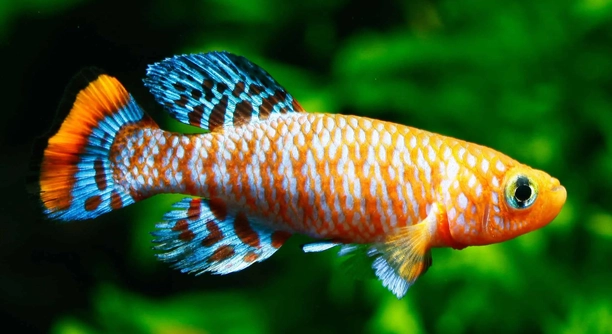
Killi fish breeding can be challenging, especially for beginners looking to improve their success rates. Many enthusiasts seek reliable ways to increase the chances of healthy fry and successful hatching. This article offers practical tips to support better breeding outcomes.
Successful killi breeding depends on proper tank setup, water quality, and careful selection of breeding pairs. Maintaining stable conditions and providing appropriate nutrition enhances spawning behavior and fry survival, which are essential for improving overall breeding success.
These simple hacks will guide you through key steps to create an optimal environment and increase your killi breeding achievements.
Preparing the Ideal Breeding Tank
Setting up the right environment is the first step to improving killi breeding success. The tank should be small, ideally between 5 to 10 gallons, with plenty of hiding spots using plants or spawning mops. These spaces help reduce stress and encourage natural spawning behaviors. Water conditions must be carefully monitored: keep the temperature stable around 72-78°F and the pH slightly acidic to neutral, about 6.0 to 7.0. Frequent but gentle water changes maintain water quality without disturbing the fish. Avoid strong currents, as killifish prefer calm water. Lighting should be moderate, replicating natural daylight hours. Proper tank setup mimics their natural habitat, which is crucial for encouraging mating and ensuring the eggs develop well. Lastly, removing any aggressive or overly active tank mates is important to keep the breeding pair safe and comfortable.
Consistent tank conditions help the killifish feel secure and ready to breed. A peaceful environment directly supports successful spawning.
Keeping the breeding tank stable and well-maintained reduces stress and promotes healthy egg laying. This foundation makes it easier for the fish to breed naturally and for the fry to survive in their early stages.
Choosing Healthy Breeding Pairs
Selecting strong and healthy fish increases the likelihood of successful breeding. Choose pairs that display vibrant colors and active behavior, as these traits often indicate good health. Avoid fish that appear lethargic or have visible signs of illness, such as damaged fins or spots. It’s best to select fish that are at least 6 months old, as they are typically mature and ready to breed. Keeping males and females separated before introducing them to the breeding tank can help stimulate interest and reduce stress. When introduced, watch their behavior closely; signs of readiness include males displaying brighter colors and males chasing females gently.
Healthy fish are more likely to produce viable eggs and strong fry. Taking the time to select the right pairs pays off in better breeding outcomes.
Strong breeding pairs increase fertilization rates and improve the quality of offspring. The female’s condition also impacts the number of eggs laid, making her care equally important. Proper nutrition before breeding supports egg production and overall health. Providing a varied diet rich in live or frozen foods like daphnia and brine shrimp boosts fertility and vitality. Observing the pair’s interactions helps identify readiness for spawning, allowing timely adjustments in care. Ensuring both fish are healthy minimizes risks of disease transmission to offspring. Proper selection and preparation of breeding pairs are essential steps in achieving a higher success rate in killi breeding.
Monitoring Water Parameters Regularly
Keeping water parameters stable is essential for killi breeding success. Regular testing helps catch any changes early and prevents problems that can harm eggs or fry.
Water quality affects every stage of breeding. Frequent checks of temperature, pH, ammonia, nitrite, and nitrate levels ensure the environment remains safe. Sudden shifts in these parameters can stress the fish and reduce spawning activity. Using a reliable test kit allows for quick adjustments when needed. Partial water changes help maintain balance, but avoid changing too much at once to prevent shocking the fish. Stability encourages natural behavior and supports healthy egg development.
In addition to monitoring, maintaining clean equipment is vital. Algae buildup and debris can affect water quality and cause bacterial growth. Regular tank maintenance includes cleaning filters and removing waste gently. Preventing harmful substances from accumulating ensures the breeding environment stays optimal. Small actions like these create conditions where killifish thrive and reproduce successfully, making your efforts more rewarding.
Feeding for Breeding Success
Providing a nutritious diet supports the health and breeding readiness of killifish. Feeding high-quality foods boosts their energy and egg production.
A varied diet that includes live or frozen foods such as brine shrimp, daphnia, and bloodworms supplies essential proteins and fats. These foods promote vibrant colors and improve fertility. Avoid overfeeding, as excess food can pollute the water and harm both fish and eggs. Feeding small portions multiple times daily keeps the fish active and healthy. Supplementing with quality flakes or pellets ensures a balanced diet. Nutrition directly impacts the quality and quantity of eggs produced, so careful feeding is a key factor in breeding success.
Providing Proper Spawning Substrate
Using the right spawning substrate encourages killifish to lay eggs in safe, accessible places. Popular choices include spawning mops, peat moss, or fine-leaved plants.
These substrates mimic natural environments and protect eggs from being eaten. Changing or cleaning the substrate carefully after spawning helps avoid fungal growth while keeping eggs secure.
Removing Adults After Spawning
Removing adult fish from the breeding tank once spawning is complete prevents them from eating the eggs. This step increases fry survival rates significantly.
Adult killifish may eat eggs if left in the same tank. Timely removal protects the eggs and improves the chances of healthy fry development.
Maintaining Fry Care
Proper care of fry is essential for their growth and survival. Keep water clean and provide suitable food such as infusoria or newly hatched brine shrimp to support their development.
Avoiding Overcrowding
Overcrowding stresses both adults and fry, lowering breeding success. Keep the number of fish in the breeding tank appropriate to maintain health and comfort.
FAQ
How often should I change the water during killi breeding?
Changing about 20-30% of the water once or twice a week is usually enough to maintain good water quality without stressing the fish. Use dechlorinated water at the same temperature as the tank to avoid sudden changes. Frequent small changes are better than large ones.
What temperature is best for breeding killifish?
The ideal temperature range for breeding killifish is between 72°F and 78°F. Keeping the temperature stable within this range encourages spawning and helps eggs develop properly. Sudden temperature changes can stress the fish and reduce breeding success.
Can I keep multiple breeding pairs in the same tank?
It’s best to avoid keeping multiple pairs together in a small breeding tank, as killifish can become aggressive or stressed. Overcrowding may also cause parents to eat eggs or fry. Separate tanks for each pair increase success rates and reduce conflicts.
What is the best way to feed fry?
Fry need tiny, easily digestible foods such as infusoria or newly hatched brine shrimp. These foods provide the necessary nutrients for growth during their first few weeks. As fry grow, you can introduce finely crushed flakes or microworms. Regular feeding with small amounts ensures healthy development.
How long does it take for killi eggs to hatch?
Eggs usually hatch within 10 to 14 days, depending on species and water temperature. Warmer temperatures tend to speed up hatching but keep it within a safe range to avoid harming the eggs. Patience is important, as hatching times can vary slightly.
What should I do if eggs develop fungus?
Fungal infections can harm eggs and reduce survival. If you notice fungus, remove affected eggs gently using a small tool. Adding a small amount of antifungal treatment or using clean water can help prevent spread. Good water quality and cleanliness reduce fungal risk.
Is it necessary to separate the fry after hatching?
Separating fry is recommended if adults are still in the breeding tank, as adults may eat the young. Moving fry to a separate rearing tank allows better control over feeding and water quality. It also prevents overcrowding and improves survival chances.
Can I use tap water for the breeding tank?
Tap water can be used if it is properly treated to remove chlorine and chloramine. Let water sit for 24 hours or use a water conditioner before adding it to the tank. Testing water parameters regularly helps ensure it remains safe for breeding fish.
How do I tell if my killi fish are ready to breed?
Males usually display brighter colors and become more active around females when ready to breed. Females may show a fuller belly, indicating egg development. Observing natural mating behaviors like chasing and courtship helps confirm readiness.
What should I do if the fry aren’t eating?
If fry refuse to eat, check water conditions and food type. Sometimes, fry need very small live foods like infusoria at first. Avoid overfeeding and keep the tank clean. If problems persist, adjusting feeding times or trying different foods may help stimulate appetite.
How long can killi eggs be stored before hatching?
Some killifish species produce eggs that can survive dry conditions for weeks or even months. For these annual species, eggs can be stored in moist peat moss or a damp paper towel at room temperature until ready to hatch. Non-annual species’ eggs should be kept in water and hatched promptly.
Can I use plants as spawning sites instead of artificial mops?
Yes, fine-leaved plants like Java moss or hornwort work well as natural spawning sites. They provide shelter for eggs and resemble natural habitats. Plants also help maintain water quality but require gentle handling during tank maintenance to avoid disturbing eggs.
How do I prevent adult killifish from eating eggs?
Removing adults immediately after spawning is the most effective way to protect eggs. Alternatively, providing dense spawning mops or plants can reduce egg visibility, but this is less reliable. Keeping adults and eggs separated ensures higher fry survival.
Is it necessary to condition killifish before breeding?
Conditioning fish with a high-quality diet rich in live foods improves health and readiness for spawning. Feeding brine shrimp, daphnia, or bloodworms daily for two weeks before breeding encourages better egg production and stronger fry.
What is the best lighting schedule for breeding killifish?
Providing 10-12 hours of moderate light daily mimics natural conditions and supports breeding behavior. Too much light can stress the fish, while too little may reduce activity. A timer can help maintain a consistent light cycle.
How can I tell if the eggs are fertilized?
Fertilized eggs usually appear clear or slightly yellowish with a visible embryo developing inside after a few days. Unfertilized eggs often turn cloudy or white and may develop fungus. Removing unhealthy eggs early prevents contamination of the batch.
These answers cover many common concerns and provide practical steps to improve killifish breeding success. Adjusting care based on your specific situation will help you achieve better results and enjoy watching your fish thrive.
Breeding killifish can seem tricky at first, but with the right approach, it becomes a manageable and rewarding process. Success depends largely on providing a stable and comfortable environment, choosing healthy breeding pairs, and paying close attention to water quality. Each detail matters—from the tank setup to feeding schedules—and taking care of these factors improves the chances of producing healthy fry. Patience and consistent effort help create a positive experience, turning challenges into small wins. It is important to remember that every killifish species has its own specific needs, so adapting these general tips to your particular fish will give you the best outcome.
Maintaining clean water and stable conditions is one of the most important parts of breeding. Regular monitoring helps catch any changes before they become a problem. Using suitable spawning substrates and removing adults after spawning protects eggs and increases fry survival. Providing a nutritious diet encourages healthy breeding behavior and supports the development of the young. It’s normal to encounter setbacks like fungal infections or slow fry growth, but addressing issues quickly and carefully will keep the process moving smoothly. Over time, learning how your fish respond will make it easier to improve and adjust care routines.
The key to improving killifish breeding success is consistent attention to their environment and needs. Creating a peaceful and well-maintained tank encourages natural behaviors and reduces stress. Selecting strong, healthy pairs and feeding them well supports higher egg production and fry viability. Caring for the fry with appropriate food and gentle handling increases survival rates. By focusing on these core areas, breeding killifish becomes less complicated and more enjoyable. With experience, you will build confidence and enjoy the satisfaction of seeing new life thrive under your care.

Hello,
If you enjoy the content that we create, please consider saying a "Thank You!" by leaving a tip.
Every little bit helps us continue crafting quality advice that supports the health, happiness, and well-being of pets around the world, for pets of all shapes, sizes, and species.
We really appreciate the kindness and support that you show us!