
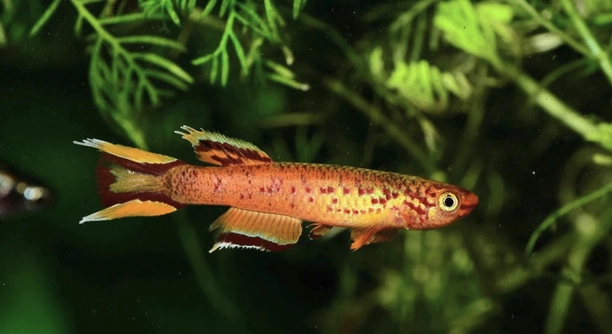
Are your aquarium decorations safe for your killifish? Many hobbyists enjoy adding plastic plants to their tanks for convenience and low maintenance. These artificial plants can enhance the visual appeal without the care live plants require.
Plastic plants are generally safe for killifish if chosen carefully. They do not release harmful substances and are easy to clean, but sharp edges or rough textures can injure delicate fins or skin. Proper selection and placement are essential for the fish’s well-being.
Understanding the benefits and risks of plastic plants helps maintain a healthy environment for your killifish. The following information will guide you in making the best choice for your aquarium setup.
Why Killifish Need a Safe Environment
Killifish are delicate fish that thrive best in carefully maintained tanks. Their fins and skin are sensitive, which means rough or sharp objects can cause injuries. Plastic plants, while easy to care for, sometimes have edges that can tear fins or scratch skin. These injuries might lead to infections or stress. Stress weakens their immune system, making them more vulnerable to disease. Unlike live plants, plastic ones don’t contribute to water quality through oxygen or nutrient cycling. However, they do offer hiding spots that can reduce stress if properly chosen. Regularly inspecting plastic plants for damage and cleaning them thoroughly prevents algae buildup and other hazards. Using smooth, flexible plastic plants designed for aquariums minimizes risk. It’s important to balance convenience with the needs of killifish for a safe, healthy environment.
Clean plastic plants regularly to avoid algae and bacteria growth that may harm your killifish. Avoid plants with rough or sharp parts.
Selecting the right plastic plants involves paying attention to material and design. Soft, flexible plastics are better because they reduce the chance of injury. Some artificial plants are coated or made with smooth finishes, which is safer for delicate fins. It’s helpful to choose plants without small parts that might break off and be swallowed. Place plants in areas where killifish can swim freely without bumping into decorations. Combine plastic plants with natural hiding spots like rocks or caves to enrich the tank environment. While plastic plants don’t improve water quality like live plants, they do provide cover and security. Always observe your fish after introducing new decorations to catch any signs of stress or injury early.
Alternatives to Plastic Plants for Killifish Tanks
Live plants provide natural benefits, such as oxygen and water filtration, that plastic plants cannot. They support a balanced tank environment.
Choosing live plants that grow well in low light and don’t require complex care can be a good alternative. Species like Java moss or Anubias are popular for killifish tanks because they are hardy and safe. These plants offer natural textures, reducing the risk of fin damage. They also encourage natural behaviors like exploring and hiding. However, live plants require more care, including monitoring nutrients and trimming. Combining live and plastic plants may work if maintenance is consistent. Each tank setup is unique, so finding what works best depends on your preferences and killifish’s needs. Maintaining clean water and providing secure hiding places ensures your fish stay healthy and comfortable.
Maintaining Plastic Plants in Killifish Tanks
Plastic plants need regular cleaning to prevent algae buildup, which can affect water quality and fish health. Using gentle cleaning methods helps avoid damage to the plants and keeps the environment safe for killifish.
Cleaning plastic plants involves rinsing them with warm water and gently scrubbing with a soft brush to remove algae and debris. Avoid using soap or chemicals, as residues can harm the fish. Soaking plants in a diluted bleach solution for a few minutes can help disinfect them, but make sure to rinse thoroughly afterward. Regular maintenance every two weeks is usually enough to keep plastic plants clean without stressing the fish. This routine supports a healthy tank environment and prevents unwanted substances from affecting your killifish. Maintaining clean decorations is as important as monitoring water quality and temperature to keep your fish thriving.
Checking plastic plants for signs of wear or damage is essential. Damaged plants can have sharp edges that may injure killifish. Replace or repair plants when necessary to maintain a safe habitat. Keeping plastic plants in good condition ensures they continue providing safe hiding spots and visual interest without risking your fish’s health.
Signs Plastic Plants May Harm Killifish
If you notice torn fins, unusual behavior, or stress in your killifish, plastic plants could be a factor. Careful observation helps identify any problems quickly.
Torn fins or scratches are common injuries caused by sharp or rough edges on plastic plants. Killifish may avoid areas with hazardous decorations or become less active if stressed. Sometimes, algae-covered plants can cause irritation or reduce water quality, impacting fish health. Removing plastic plants temporarily can help determine if they are causing issues. Observing your fish regularly after introducing new decorations is important to catch problems early. Keeping plants clean and choosing smooth, fish-safe designs reduces these risks. Being attentive to your killifish’s behavior and physical condition supports a healthy, comfortable environment. Adjusting tank decorations when needed helps prevent long-term harm and improves your fish’s quality of life.
Choosing the Right Plastic Plants
Selecting smooth, flexible plastic plants reduces the risk of injury to killifish. Avoid plants with sharp edges or hard, brittle materials that can damage delicate fins.
Look for aquarium-specific plastic plants designed to be safe for fish. These often have rounded tips and softer materials, making them suitable for sensitive species like killifish.
Common Plastic Plant Materials
Most plastic plants are made from polyester, nylon, or silk-like fabrics. These materials vary in texture and durability, affecting their safety and longevity in the tank.
Plants with silk-like fabric tend to be softer and safer but may wear out faster. Polyester plants are more durable but can have stiffer edges that need inspection before use.
Tips for Introducing Plastic Plants
Place new plastic plants in the tank carefully, avoiding overcrowding. Ensure there is enough swimming space and hiding spots without restricting movement.
Allow your killifish to acclimate to the new decorations slowly. Watch for any signs of stress or fin damage in the days following the introduction.
FAQ
Are plastic plants toxic to killifish?
Plastic plants made specifically for aquariums are generally non-toxic to killifish. They do not release harmful chemicals into the water if properly manufactured. However, cheap or non-aquarium plastics might leach substances that can affect water quality and fish health. Always buy plants from reputable sources designed for aquarium use.
How often should I clean plastic plants in my killifish tank?
Cleaning plastic plants every two weeks helps prevent algae buildup and bacterial growth. Use warm water and a soft brush, avoiding soaps or chemicals. If algae persists, a brief soak in a diluted bleach solution followed by thorough rinsing can be effective. Regular cleaning keeps the environment safe and visually appealing.
Can plastic plants cause fin damage to killifish?
Yes, if the plastic plants have rough or sharp edges, they can tear delicate killifish fins. Inspect plants before placing them in the tank, and choose smooth, flexible materials to minimize risk. If you notice fin damage, consider replacing or removing the plants.
Do plastic plants affect water quality?
Plastic plants do not improve water quality like live plants do. They don’t contribute oxygen or help absorb nitrates. However, they are inert and won’t harm water chemistry if cleaned regularly. It’s important to maintain proper filtration and water changes to keep the tank healthy.
Are live plants better than plastic for killifish tanks?
Live plants offer natural benefits such as oxygenation and nutrient absorption, which help maintain water quality. They provide a more natural environment and softer textures for killifish. However, live plants require more care and specific conditions to thrive. Plastic plants offer convenience but lack these benefits.
How can I tell if my killifish is stressed by plastic plants?
Signs of stress include hiding more than usual, reduced activity, fin clamping, or visible injuries like torn fins. If these appear after adding plastic plants, it may be due to rough textures or overcrowding. Removing the plants or replacing them with safer options often helps.
Can I mix plastic and live plants in a killifish tank?
Yes, mixing plastic and live plants is common and can offer a balanced setup. Live plants help water quality, while plastic plants add low-maintenance decoration. Ensure both types are safe and don’t overcrowd the tank, providing enough swimming space for your fish.
What’s the best way to introduce plastic plants to a killifish tank?
Rinse new plastic plants thoroughly before placing them in the tank. Arrange them carefully to avoid sharp edges and ensure enough room for swimming. Monitor your killifish closely for any signs of discomfort or fin damage after introduction.
Can algae grow on plastic plants?
Algae can grow on plastic plants just as on any surface in the tank. Regular cleaning and proper lighting control help prevent excessive algae buildup. Algae-covered plants should be cleaned promptly to maintain water quality and avoid irritation to fish.
How long do plastic plants last in an aquarium?
With proper care, plastic plants can last several years. Over time, they may fade or develop rough edges. Inspect them regularly and replace any damaged plants to ensure the safety and comfort of your killifish.
Plastic plants offer a convenient way to decorate killifish tanks without the extra care live plants need. They are easy to clean, do not require special lighting or nutrients, and can create hiding spots for your fish. However, not all plastic plants are equally safe. Some may have sharp edges or rough textures that can harm the delicate fins and skin of killifish. Choosing smooth, flexible plants made for aquariums helps reduce the risk of injury. Regular cleaning is also important to prevent algae buildup and keep the tank environment healthy. While plastic plants do not contribute to water quality like live plants, they can still be a useful part of a well-maintained tank.
Killifish are sensitive and benefit from a safe, stress-free environment. The decorations in their tank should support this by providing shelter without causing harm. If plastic plants are used, it’s essential to watch your fish closely for any signs of distress or fin damage. This attention allows you to make changes before problems worsen. Sometimes, mixing live plants with plastic ones can offer the best of both worlds—natural benefits from live plants and the convenience of plastic. Ultimately, the choice depends on your setup, time, and your killifish’s needs.
Maintaining a clean and safe tank is key to keeping killifish healthy and happy. Regular water changes, proper filtration, and cleaning of decorations all play important roles. Plastic plants can be part of this care routine if selected and maintained carefully. They should never replace proper tank upkeep but can enhance the aquarium visually and functionally. By being mindful of materials and condition, you can create an environment where your killifish thrive comfortably and enjoy their home.

Hello,
If you enjoy the content that we create, please consider saying a "Thank You!" by leaving a tip.
Every little bit helps us continue crafting quality advice that supports the health, happiness, and well-being of pets around the world, for pets of all shapes, sizes, and species.
We really appreciate the kindness and support that you show us!