
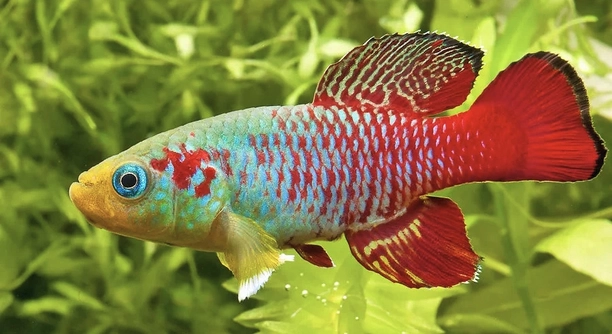
Killi fish are small, colorful freshwater fish often kept in home aquariums. Many hobbyists enjoy observing their behavior and feeding routines. Understanding their habits helps create a more engaging and interactive aquarium experience.
Killi fish can be trained for target feeding through consistent repetition and positive reinforcement. This training improves feeding efficiency and reduces competition among tank mates. However, patience and careful observation are necessary to ensure the fish respond well to the training methods used.
Learning how to train your killi fish for target feeding can enhance their care and enrich your aquarium environment. This article will explain the steps and benefits involved in this process.
Understanding Target Feeding for Killi Fish
Target feeding involves training fish to swim to a specific spot to receive food, which helps ensure each fish gets its share. For killi fish, this method can reduce stress during feeding times and promote healthier eating habits. Training begins by using a small target, like a stick or a ring, which is introduced into the tank. Over several days, food is offered near or on the target to associate it with feeding. Consistency is key, as regular practice helps the fish recognize and respond to the target. This method is especially useful in tanks with multiple fish, where dominant individuals might otherwise take most of the food. Target feeding also makes it easier to monitor the eating habits and health of each fish individually. With patience, killi fish can learn to associate the target with food, making feeding more controlled and efficient.
Training killi fish requires patience and consistency but can be very rewarding once they learn the routine.
Many fishkeepers have seen that target feeding reduces aggression during feeding times. It can improve the overall well-being of killi fish by creating a structured feeding routine. This practice also makes feeding more interactive and less chaotic.
Tips for Successful Training
Start with small, frequent feeding sessions to keep killi fish interested without overwhelming them.
Clear communication between you and your fish is essential for success. Observing their reactions helps tailor the training to their pace. Use a consistent feeding spot and timing, which builds trust and predictability. Avoid sudden movements to keep the fish calm. Reward immediate responses to the target by feeding promptly. Gradually increase the distance between the target and food to encourage active participation. Keep training sessions short but regular to maintain interest. If the fish lose interest, reduce the frequency and try again later. Tracking progress helps identify the most effective techniques for your specific fish. By following these tips, you can improve the chances of successful target feeding with your killi fish.
Successful training strengthens your connection to the fish and improves feeding control in the tank.
Common Challenges in Training Killi Fish
Killi fish may show hesitation or slow response during early training. Their natural curiosity can also distract them from focusing on the target. Environmental factors like tank size and water conditions impact training success. Patience is necessary to overcome these initial difficulties.
Inconsistent feeding times can confuse killi fish and delay learning. If the target is moved too quickly or too far, fish may lose interest. Some killi fish are naturally shy and need more time to become comfortable with the process. Distractions such as tank decorations or other active fish may interrupt training sessions. Monitoring water quality is crucial because poor conditions reduce fish activity and responsiveness. Keeping sessions brief and calm can help maintain the fish’s attention and encourage progress.
Adjusting your training approach based on the fish’s behavior is important. If progress stalls, try changing the target size or location. Gradually increasing difficulty while maintaining positive reinforcement helps sustain interest. Consistency in practice leads to better results over time.
Benefits of Target Feeding for Killi Fish
Target feeding ensures that each killi fish receives proper nutrition, especially in community tanks. This method reduces food waste and limits aggressive competition during feeding.
By training killi fish to respond to a target, feeding becomes more controlled and less stressful. Fish that learn this technique tend to eat better and maintain healthier weights. It also helps prevent dominant fish from monopolizing food, promoting fairness among tank mates. Target feeding allows the keeper to observe fish behavior more closely and identify any health issues early. The interaction involved in training can increase the fish’s activity and enrich their environment. Overall, this feeding method supports the well-being of killi fish and creates a more balanced aquarium.
Equipment Needed for Target Feeding
A small feeding target, like a stick or ring, is essential for training killi fish. It helps direct their attention and creates a clear feeding spot.
Using tweezers or a pipette to deliver food precisely on the target improves accuracy. This reduces mess and ensures food reaches the fish promptly.
Choosing the Right Food
Killi fish respond best to live or frozen foods like brine shrimp or daphnia. These options mimic their natural diet and encourage feeding behavior.
Providing high-quality, nutritious food supports their health during training. Avoid overfeeding, as excess food can pollute the tank and harm water quality.
Training Frequency and Timing
Short, consistent training sessions work best, ideally once or twice a day. Keeping sessions brief prevents fish from losing interest or becoming stressed.
Monitoring Progress
Regularly observing your killi fish during feeding sessions helps track their response to the target. Adjust training methods as needed to maintain steady improvement.
FAQ
Can all killi fish be trained for target feeding?
Most species of killi fish can be trained for target feeding, but success depends on individual temperament and tank conditions. Some may be more responsive due to their natural curiosity and willingness to approach food. Consistent training and patience improve chances of success.
How long does it take to train killi fish for target feeding?
Training time varies, but many killi fish show progress within one to two weeks of regular sessions. Some may learn faster with daily practice, while others require more time to become comfortable with the routine.
What if my killi fish ignore the target?
If fish ignore the target, reduce distractions and try using a more visible or differently shaped target. Feeding at consistent times and maintaining calm movements around the tank can help increase their focus.
Is target feeding stressful for killi fish?
When done properly, target feeding is not stressful. It can actually reduce stress by providing a predictable feeding environment and minimizing competition. Keep sessions short and observe fish behavior to ensure they are comfortable.
Can target feeding prevent overfeeding?
Yes, target feeding allows better control of food amounts, reducing waste and preventing overfeeding. This method helps maintain water quality and the overall health of the fish.
What if I have multiple species in the tank?
Training killi fish in a community tank is possible but may require more effort. Target feeding helps reduce food competition, but some species might still dominate. Separate feeding spots or times can improve fairness.
Do I need special food for target feeding?
Using live or frozen foods like brine shrimp is recommended because they attract killi fish’s attention more effectively. However, high-quality pellets or flakes can also work if placed carefully on the target.
Can target feeding help identify health problems?
Yes, target feeding encourages fish to come forward and eat regularly, making it easier to notice changes in appetite or behavior. Early detection of health issues is possible through close observation during feeding sessions.
Is target feeding suitable for baby killi fish?
Young killi fish can be trained, but their smaller size means using very fine targets and smaller food particles. Patience is important, and training may take longer compared to adults.
What if my killi fish lose interest during training?
If interest fades, try shortening sessions or changing the feeding schedule. Sometimes a brief break helps renew their curiosity. Always ensure food is fresh and appealing.
Can target feeding replace regular feeding methods?
Target feeding is usually used alongside regular feeding but provides better control and monitoring. It is especially useful for selective feeding or when managing multiple fish with different dietary needs.
How do I know if training is working?
Signs of success include fish actively approaching the target, eating food immediately from it, and showing less aggressive behavior during feeding times. Tracking progress daily helps maintain motivation and adjust techniques.
Does tank size affect target feeding success?
Smaller tanks make target feeding easier because fish are more likely to notice the target quickly. Larger tanks require more patience and clear, consistent signals to train fish effectively.
Should I train all fish at once or individually?
Training fish individually can be more effective, especially if some are shy or slow learners. Group training is possible but may cause competition. Observe your fish to decide the best approach.
Can target feeding improve fish behavior outside feeding times?
Target feeding can increase overall activity by providing mental stimulation. Fish often become more interactive and responsive, which can improve their well-being beyond feeding.
Is it necessary to use the same person for training?
Consistency helps; fish respond better when the same person handles feeding. This builds trust and reduces stress from unfamiliar movements or scents.
Are there risks to target feeding?
Risks are minimal if feeding is done properly. Overfeeding or poor food choices can harm water quality and fish health. Avoid sudden changes in routine to prevent stress.
What tools are best for target feeding?
Common tools include feeding sticks, pipettes, or tweezers. These help deliver food precisely on the target and keep sessions clean and efficient.
How to handle fish that don’t respond well?
For less responsive fish, slow down training and increase positive reinforcement. Sometimes changing food type or target position can spark interest. Patience is key.
Can target feeding be combined with other training techniques?
Yes, target feeding pairs well with conditioning techniques like hand feeding or using signals to improve fish responsiveness and interaction. This enriches their environment and builds stronger bonds.
Does water temperature affect training?
Water temperature influences fish activity. Training is most effective when conditions match the fish’s natural preferences, typically moderate temperatures that keep them active but not stressed.
Training killi fish for target feeding is a practical way to improve their feeding habits and overall care. This method helps make feeding more organized, reducing competition and stress among the fish. It also allows better control over the amount of food given, which supports water quality and fish health. With patience and regular practice, killi fish can learn to respond to a target, making feeding times smoother and more enjoyable for both the fish and the keeper.
Consistency is essential when training killi fish. Short, frequent sessions work best to keep the fish engaged without overwhelming them. Using appropriate tools like feeding sticks or pipettes makes it easier to deliver food precisely where needed. Choosing the right food is also important, with live or frozen options often being more effective than dry pellets or flakes. Paying attention to the fish’s behavior and progress helps adjust the training approach when necessary, ensuring the fish remain interested and comfortable.
Overall, target feeding can be a valuable addition to the care routine for killi fish. It promotes healthier eating, reduces stress during feeding times, and allows better monitoring of individual fish health. While some challenges may arise, such as hesitation or distractions, they can usually be overcome with patience and small adjustments. This feeding method enhances the interaction between keeper and fish, creating a more balanced and controlled aquarium environment.

Hello,
If you enjoy the content that we create, please consider saying a "Thank You!" by leaving a tip.
Every little bit helps us continue crafting quality advice that supports the health, happiness, and well-being of pets around the world, for pets of all shapes, sizes, and species.
We really appreciate the kindness and support that you show us!