
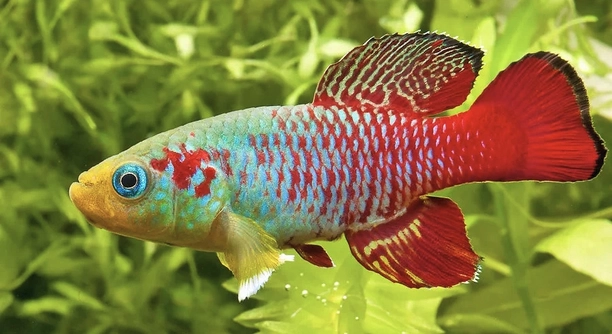
Killifish are popular aquarium fish known for their vibrant colors and unique behaviors. Observing their breeding habits can provide insight into their care and natural life cycle. Recognizing these behaviors is important for any hobbyist.
Killifish exhibit several distinct breeding behaviors, including courtship displays, nest building, egg laying, and parental care. These behaviors vary by species but generally indicate readiness to reproduce and ensure offspring survival. Monitoring these signs helps maintain healthy breeding conditions.
Knowing what to watch for can improve your experience and success with killifish breeding. This article will guide you through key behaviors to observe and understand.
Courtship Displays
Killifish use courtship displays to attract mates. These displays often include vibrant color changes, fin flaring, and specific swimming patterns. Males usually perform most of the displays, showing off to females to gain their attention. Some species even jump or swim in quick bursts as part of the ritual. The intensity and frequency of these behaviors increase as the fish prepare to spawn. Observing these signs helps in identifying when your killifish are ready to breed. The environment also plays a role; providing plenty of hiding spots and proper water conditions encourages natural behavior. Courtship displays are essential for successful mating, signaling health and readiness between partners. Understanding these actions makes it easier to support your killifish during breeding.
Courtship displays serve as communication signals between males and females. Recognizing these behaviors helps ensure breeding success.
Watching these interactions closely offers valuable insight into the reproductive state and can prevent stress among the fish.
Nest Building and Egg Laying
Nest building varies among killifish species. Some create bubble nests on the water surface, while others lay eggs in dense plants or substrate. The male often guards the nest and tends to the eggs after spawning. In some cases, the female selects the nesting site and deposits eggs carefully. Ensuring the aquarium has the right materials for nest building is crucial. Soft plants, floating moss, or spawning mops provide ideal places for eggs. Temperature and water quality also influence the spawning process. After eggs are laid, some species remove the adults to prevent egg predation. Others show little to no parental care, letting the eggs develop independently. Observing nest building behavior helps identify the best time to prepare for fry and adjust tank maintenance routines accordingly. This preparation maximizes the chances of healthy offspring survival.
Parental Care
Some killifish species show parental care, while others do not. Care can include guarding eggs or fanning them to provide oxygen.
Parental care helps improve egg survival by protecting them from fungi and predators. In species that guard eggs, the male or female stays close to the nest, removing debris and keeping eggs clean. This behavior reduces the risk of infection and increases the chance that fry will hatch successfully. Fanning the eggs circulates water, which improves oxygen flow and prevents stagnation. However, many killifish species do not care for their eggs after spawning, leaving them to develop on their own. Understanding which species provide parental care can help you decide how to manage your tank during breeding.
When killifish do not provide care, it is important to remove adults to prevent egg predation. Separating eggs or using a breeding tank improves survival rates significantly.
Spawning Triggers
Spawning triggers are environmental changes that encourage killifish to breed. These often include temperature shifts, light cycles, and water quality adjustments.
Raising water temperature slightly mimics natural seasonal changes, signaling killifish that it is time to spawn. Increasing daylight hours or adjusting light intensity can also stimulate breeding behavior. Clean, well-oxygenated water is critical, as poor water quality can inhibit spawning. Some species require a dry season simulation, where the tank is partially drained before re-filling to imitate rain. Adding fresh water or changing the tank’s water encourages egg laying. Understanding these triggers helps create ideal breeding conditions. Adjusting parameters carefully ensures a stress-free environment for the fish, increasing the likelihood of successful spawning and healthy fry development.
Aggressive Behavior
Aggression can increase during breeding, especially among males competing for females or territory. This behavior helps establish dominance and mating rights.
Aggressive killifish may chase or nip at rivals. Providing enough space and hiding spots reduces stress and prevents injuries during this period.
Egg Development
Egg development time varies by species but generally lasts one to three weeks. Temperature and water quality influence the speed of development.
Consistent tank conditions are vital for proper embryo growth. Monitoring these factors ensures eggs hatch successfully, producing healthy fry ready for care.
Fry Behavior
Fry are small and vulnerable after hatching. They tend to stay hidden among plants or substrate to avoid predators and stress.
Providing appropriate food like infusoria or newly hatched brine shrimp supports their early growth and increases survival chances.
How do I know when my killifish are ready to breed?
Killifish show several clear signs when they are ready to breed. Males often display brighter colors and perform courtship dances. You might notice them flaring their fins and swimming actively near females. Females become rounder as they develop eggs. Watching for these behaviors helps time breeding attempts correctly. Proper tank conditions, such as clean water and suitable temperature, also encourage readiness. When you see these signs, it’s a good time to prepare a breeding setup with plants or spawning mops to support egg laying.
What type of environment do killifish need for breeding?
Killifish require a calm, stable environment with specific conditions for successful breeding. Most species prefer soft, slightly acidic water with temperatures between 22°C and 26°C (72°F–79°F). Providing plenty of plants or spawning mops gives places for eggs to attach. Low water flow helps prevent eggs from being disturbed. It’s important to maintain excellent water quality by performing regular water changes. Some species need seasonal cues like temperature shifts or water level changes to trigger spawning. Replicating these natural conditions improves breeding success significantly.
Do killifish parents take care of their eggs?
Parental care varies by species. Some killifish, especially annual types, do not care for their eggs and may even eat them if left together. Others guard the eggs and fan them to provide oxygen. If your species does not show parental care, it’s best to remove adults after spawning to prevent egg predation. In species with parental care, adults help keep eggs clean and protect them from fungus or other threats. Knowing your killifish species’ habits helps you decide the best way to manage the breeding tank.
How long does it take for killifish eggs to hatch?
The hatching time depends on species and environmental conditions. Typically, eggs hatch within 7 to 21 days. Warmer temperatures usually speed up development, while cooler water slows it down. Maintaining stable temperature and water quality is essential for healthy embryo growth. Some killifish eggs can enter diapause, a resting phase, and hatch later when conditions improve. Understanding your species’ particular needs ensures you give eggs the best chance to develop and hatch successfully.
What should I feed killifish fry?
Killifish fry are tiny and require very small, nutritious food to grow properly. Newly hatched brine shrimp or infusoria are ideal first foods. These provide the necessary protein and size suitable for fry mouths. As they grow, you can gradually introduce finely crushed flakes or baby daphnia. Feeding multiple small meals a day helps promote steady growth. Clean water is also important since leftover food can pollute the tank quickly. Ensuring proper feeding supports fry survival and healthy development.
Can killifish breed in a community tank?
Breeding killifish in a community tank is possible but often challenging. Other fish may eat eggs or fry, and the killifish could become stressed. Aggression between males might also increase, causing injury or reducing breeding success. Using a separate breeding tank is usually recommended to control conditions and protect eggs. If breeding in a community, provide dense plants or hiding spots and monitor the tank closely. Success rates are generally higher when killifish breed in a dedicated environment.
How often do killifish breed?
Killifish breeding frequency varies by species and conditions. Annual species often breed once per year during the rainy season, while non-annual species may spawn multiple times yearly if conditions remain stable. Proper care, including consistent temperature, good water quality, and a nutritious diet, encourages regular spawning. Overbreeding can stress fish, so it’s important to monitor behavior and tank conditions. Allowing rest periods between spawnings supports fish health and breeding quality.
What are common problems during killifish breeding?
Common issues include poor water quality, inadequate tank setup, and stress from overcrowding or aggression. Eggs may develop fungus if not cared for properly or if water is dirty. Adults might eat their eggs or fry, reducing survival. Temperature fluctuations or incorrect parameters can prevent spawning or cause failed development. Preventing these problems requires clean water, proper breeding environment, and knowledge of your species’ habits. Close observation helps catch problems early and improve breeding outcomes.
Is it necessary to simulate seasonal changes for killifish breeding?
Simulating seasonal changes is necessary for some killifish species, especially annuals. These fish rely on dry and rainy season cues to trigger spawning. Lowering the water level or drying out the tank briefly before refilling can imitate dry season conditions. Gradually increasing temperature or daylight signals the start of the rainy season, prompting spawning. For non-annual species, stable conditions without seasonal changes may be sufficient. Understanding your killifish species’ natural environment guides you in deciding whether seasonal simulation is needed.
How can I prevent aggression during breeding?
To prevent aggression, provide ample space and hiding places within the tank. Separating aggressive males or using a ratio of one male to multiple females reduces fighting. Introducing plenty of plants or decorations creates territories and reduces stress. Observing fish regularly allows you to remove overly aggressive individuals before injuries occur. Avoid overcrowding, as limited space worsens aggression. Managing aggression improves breeding success and protects fish health.
Breeding killifish requires attention to their specific behaviors and needs. Observing their courtship displays, nest building, and spawning triggers helps create the right environment. Each species has unique habits that influence how they breed and care for their eggs. Understanding these differences makes it easier to provide proper conditions and improve breeding success. Maintaining clean water and stable temperatures supports healthy fish and eggs throughout the process.
It is important to recognize signs of aggression and manage tank space carefully during breeding. Providing hiding places and avoiding overcrowding can reduce stress among killifish. Some species show parental care by guarding and fanning their eggs, while others do not. Knowing whether your killifish protect their eggs helps determine if adults should be removed after spawning. Proper feeding of fry with small, nutritious foods is essential for their growth and survival once they hatch.
Breeding killifish can be rewarding with the right preparation and care. Paying close attention to their behaviors and tank conditions improves the chances of healthy offspring. Simulating natural environmental changes may be necessary for certain species, especially annual killifish. Patience and observation throughout the breeding process are important. With these efforts, you can enjoy watching killifish grow and thrive in your aquarium.

Hello,
If you enjoy the content that we create, please consider saying a "Thank You!" by leaving a tip.
Every little bit helps us continue crafting quality advice that supports the health, happiness, and well-being of pets around the world, for pets of all shapes, sizes, and species.
We really appreciate the kindness and support that you show us!