
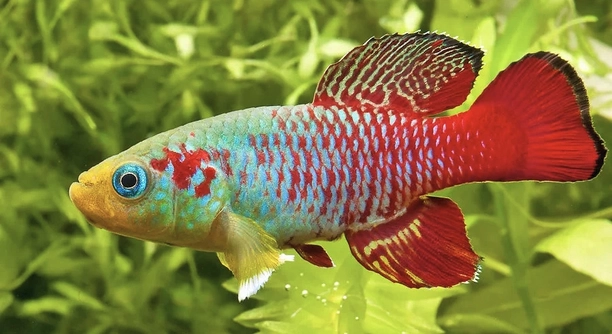
Killi fish are popular for their bright colors and lively behavior in home aquariums. Many fishkeepers want to know if these delicate fish can live outside of fresh water environments. Their care needs can sometimes be confusing for beginners.
Killi fish cannot thrive in brackish water because their biological systems are adapted specifically to freshwater habitats. Exposure to higher salinity levels can cause stress, health decline, and eventual death, making brackish water unsuitable for their survival.
Understanding the limits of killi fish’s environment helps ensure their health and longevity. Proper care decisions depend on knowing where these fish can safely live.
Understanding Killi Fish and Their Natural Habitat
Killi fish are small freshwater fish commonly found in slow-moving streams, ponds, and swamps in regions like Africa and South America. They have adapted to stable, low-salinity water environments. Their natural habitat provides consistent conditions that support their health and reproduction. Unlike some fish species that tolerate varying salinity, killi fish have delicate physiological systems that rely on freshwater to maintain proper osmotic balance. This balance allows them to regulate salt and water in their bodies efficiently. When introduced to brackish water, which contains a mix of fresh and saltwater, this balance is disrupted. The increased salinity levels can cause dehydration and damage to their internal organs. For anyone considering keeping killi fish, it’s essential to replicate their natural conditions as closely as possible. Proper water parameters, including pH, temperature, and hardness, contribute to their well-being and lifespan in captivity.
Killi fish are not naturally built to survive in water with elevated salt content.
Keeping their environment freshwater is key to preventing stress and illness.
Effects of Brackish Water on Killi Fish
Brackish water environments have higher salt concentrations than freshwater but are less salty than seawater. This unique condition poses challenges for freshwater species like killi fish. When placed in brackish water, these fish struggle to regulate their internal fluids due to the osmotic pressure difference. This can lead to dehydration as their bodies lose water to the surrounding environment. Over time, the stress from this imbalance weakens their immune system, making them more vulnerable to diseases and infections. Behavioral changes may also occur, such as reduced activity and loss of appetite, signaling poor health. Even short-term exposure can be harmful. Unlike some hardy fish species that adapt to fluctuating salinity, killi fish require stable, low-salinity water for survival. Monitoring water conditions closely and avoiding brackish setups are crucial for maintaining their health in an aquarium.
Salinity disrupts killi fish’s ability to maintain fluid balance, causing stress and potential fatal health issues.
Proper freshwater maintenance supports their natural biology and longevity.
How to Create a Suitable Environment for Killi Fish
Creating the right environment for killi fish involves mimicking their natural freshwater habitat as closely as possible. Begin with clean, dechlorinated water maintained at a neutral to slightly acidic pH, typically between 6.0 and 7.5. Temperature should be kept steady, generally around 72 to 75°F (22 to 24°C). It’s important to avoid fluctuations, as killi fish are sensitive to rapid changes. Providing plenty of hiding spots with plants or decorations helps reduce stress and encourages natural behaviors. Substrate choices like sand or fine gravel work well for their delicate fins. Regular water changes are essential to keep the water quality high, preventing the buildup of harmful substances. Avoid introducing any salt or brackish water mixes. Using a reliable water testing kit can help monitor ammonia, nitrite, and nitrate levels, ensuring the environment remains safe. Maintaining these conditions will help killi fish thrive and display their vibrant colors.
Avoiding salt and keeping stable freshwater conditions are critical for killi fish care.
A well-maintained aquarium promotes health, activity, and natural behavior in these fish.
Signs of Stress in Killi Fish
Killi fish under stress may show changes in behavior and appearance. Common signs include lethargy, loss of appetite, faded colors, and hiding more than usual. These symptoms often indicate poor water conditions or unsuitable environments.
Stress in killi fish often results from improper water parameters or exposure to unsuitable salinity levels. When their environment is not ideal, their immune system weakens, making them prone to infections. They may swim erratically or isolate themselves from other fish. Faded coloration can also signal health issues. Recognizing these signs early allows for timely intervention to improve tank conditions. Keeping water clean, stable, and free from salt is crucial for preventing stress and ensuring the fish remain active and healthy.
Ignoring early stress signs can lead to worsening health and possible death. Regular observation and quick adjustments in care can prevent long-term damage and promote a thriving aquarium.
Adjusting to Freshwater Conditions
Killi fish require consistent freshwater conditions for optimal health. Sudden changes in water parameters can shock them, so adjustments must be gradual. Use water conditioners to remove chlorine and chloramine, and monitor temperature and pH closely.
When introducing killi fish to a new tank, acclimate them slowly by mixing tank water with their original water over several hours. This helps reduce shock and allows their bodies to adjust to new conditions. Maintaining stable temperatures between 72°F and 75°F supports their metabolism and immune system. Regular water changes help maintain cleanliness, while avoiding salt or brackish water ensures their biological needs are met. Consistent care and monitoring prevent stress and encourage natural behavior.
Proper acclimation and stable freshwater conditions are key to helping killi fish thrive in captivity. Careful attention to water quality supports their health and longevity.
Common Mistakes When Keeping Killi Fish
Adding salt or brackish water to a killi fish tank is a frequent error. This can quickly harm their delicate systems.
Overfeeding and poor water maintenance also cause stress and health problems in killi fish.
Alternatives to Brackish Water Fish
Some fish species thrive in brackish environments, such as mollies and archerfish. These species have adapted to handle higher salinity levels and are better choices for mixed salinity tanks. Choosing fish suited to brackish conditions helps prevent health issues and ensures a stable aquarium.
Importance of Water Testing
Regular water testing keeps harmful chemicals and salinity levels in check. Testing kits help track ammonia, nitrites, nitrates, pH, and hardness, allowing for timely corrections to maintain a healthy tank environment.
Final Care Tips
Always research species-specific needs before changing tank conditions. Keeping killi fish in stable freshwater tanks promotes their health and longevity.
FAQ
Can killi fish survive in brackish water?
Killi fish cannot survive in brackish water because their bodies are adapted to freshwater only. Exposure to salt in brackish water disrupts their internal balance, causing stress and health problems. Long-term survival in such conditions is unlikely and can lead to death.
What water conditions do killi fish need?
Killi fish require freshwater with a neutral to slightly acidic pH (6.0–7.5) and stable temperatures between 72°F and 75°F (22°C–24°C). Clean, dechlorinated water with low hardness is ideal. Avoid sudden changes and maintain good water quality with regular testing and water changes.
Why can’t killi fish tolerate salt or brackish water?
Killi fish have delicate osmoregulatory systems that maintain water and salt balance inside their bodies. Salt in the water forces their bodies to work harder to regulate fluids, which causes dehydration, stress, and damage to organs. This makes brackish or salty water harmful.
Can killi fish be acclimated to brackish water?
No, killi fish cannot be acclimated to brackish water safely. Unlike some fish species, they lack the physiological adaptations needed to survive in higher salinity. Keeping them in freshwater is necessary for their health and well-being.
What are common signs of stress in killi fish?
Signs include lethargy, faded colors, loss of appetite, erratic swimming, and hiding. These symptoms indicate poor water conditions or unsuitable environments, often caused by salinity changes, poor water quality, or improper temperature.
How often should I test the water in a killi fish tank?
Testing the water weekly is recommended. Monitor parameters like pH, ammonia, nitrites, nitrates, and hardness. Frequent testing helps catch problems early, ensuring the water remains safe and stable for killi fish.
What should I do if my killi fish show signs of stress?
Check water parameters immediately and correct any imbalances. Perform partial water changes to improve quality. Remove any salt or brackish water additives. Provide hiding places and reduce disturbances to lower stress levels.
Can I mix killi fish with other fish that live in brackish water?
It’s not advisable. Killi fish need freshwater, while brackish water fish require higher salinity. Mixing them often leads to stress and health problems for killi fish due to unsuitable water conditions.
What kind of diet is best for killi fish?
Killi fish thrive on a diet of live or frozen foods like bloodworms, daphnia, and brine shrimp. High-quality flake or pellet foods formulated for carnivorous fish can be offered as supplements. Feeding small amounts twice daily is best.
How can I prevent stress in my killi fish?
Maintain stable freshwater conditions, avoid sudden changes, provide adequate hiding spots, feed a balanced diet, and perform regular water maintenance. Reducing noise and sudden movements around the tank also helps keep stress low.
Is it okay to add salt to a killi fish tank for health reasons?
Adding salt is not recommended for killi fish, as they are sensitive to salinity. Some fish benefit from low doses of salt for parasite treatment, but killi fish may suffer adverse effects. Always consult specific care guidelines before adding salt.
What alternatives exist for someone wanting brackish water fish?
Fish such as mollies, archerfish, and scats are better suited for brackish water tanks. These species have adaptations that allow them to tolerate or thrive in mixed-salinity environments.
Can killi fish live in hard water?
Killi fish can tolerate moderately hard water but prefer softer, slightly acidic water similar to their natural habitats. Avoid very hard water, as it can affect their health and breeding success.
How important is tank size for killi fish?
A tank of at least 10 gallons is suitable for a small group of killi fish. Adequate space allows them to swim freely and reduces stress. Overcrowding can lead to aggression and poor water quality.
What temperature fluctuations can killi fish handle?
Killi fish prefer stable temperatures between 72°F and 75°F. Sudden or extreme fluctuations can cause stress and illness. Using a reliable heater and thermometer helps maintain consistent temperature.
This FAQ covers common concerns about killi fish and brackish water. Following these guidelines supports their health and happiness in a freshwater aquarium.
Killi fish are beautiful and delicate creatures that require specific care to thrive. Their natural habitat is freshwater, and this is where they are best suited to live. Introducing them to brackish water, which contains higher salt levels, can cause serious health problems. Their bodies are not designed to handle salinity, and this can lead to stress, dehydration, and even death. It is important to understand these needs before setting up an aquarium for killi fish. By providing the right environment, you help them live a healthy and active life.
Maintaining proper water conditions is essential for keeping killi fish healthy. Freshwater with a neutral to slightly acidic pH, stable temperature, and regular water changes will support their well-being. Avoiding salt or brackish water additives is crucial because these can disrupt their internal balance. Monitoring water quality with testing kits can catch problems early and prevent stress or illness. Killi fish are sensitive to sudden changes, so gradual adjustments in their tank environment are necessary if needed. Providing plenty of plants and hiding spots also helps reduce stress and encourages natural behavior.
Taking care of killi fish requires attention to detail and patience, but it is rewarding. Watching their bright colors and lively movements is satisfying when they are healthy and comfortable. Knowing that they cannot survive in brackish water helps you make informed decisions about their care. With consistent freshwater conditions, proper diet, and clean living space, killi fish can thrive for years. Their specific needs may seem challenging at first, but they are manageable with careful planning. Providing the right environment ensures these unique fish live a full and healthy life.

Hello,
If you enjoy the content that we create, please consider saying a "Thank You!" by leaving a tip.
Every little bit helps us continue crafting quality advice that supports the health, happiness, and well-being of pets around the world, for pets of all shapes, sizes, and species.
We really appreciate the kindness and support that you show us!