
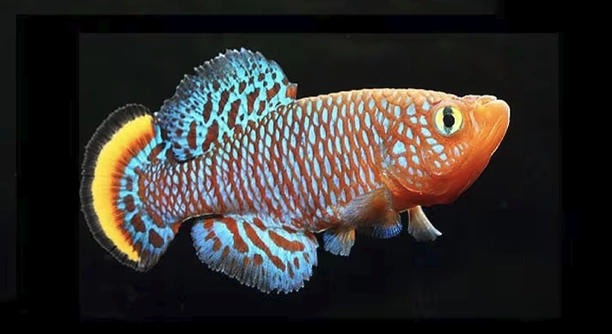
Have you ever set up a peaceful shrimp tank only to wonder if your playful killi fry might fit in safely?
Killi fry can be kept with adult shrimp under careful conditions. However, due to their natural hunting instincts, they may still pose a risk, especially to smaller or freshly molted shrimp. Monitoring and tank setup are essential.
There’s more to consider, including tank size, hiding spaces, and species behavior, before mixing these two aquatic creatures together.
Understanding the Behavior of Killi Fry and Adult Shrimp
Killi fry are active swimmers with quick movements and natural hunting instincts. Even at a young age, they often explore their surroundings and nip at smaller organisms. Adult shrimp, on the other hand, are shy and slow, often relying on plants and hiding spots for safety. While adult shrimp can defend themselves better than juveniles, they still remain vulnerable during molting or when resting. The difference in their behavior and size can create an imbalance in a shared tank. If killi fry feel overcrowded or hungry, they might target shrimp as a food source. This behavior is more likely in smaller tanks with limited space and cover. To reduce problems, you’ll need to make sure both species have their own space and enough food. Understanding their natural behavior is important when choosing to keep them together, even in a well-maintained and stable aquarium.
Molting shrimp are particularly at risk, so extra caution is needed during this time.
Providing lots of live plants, moss, and rock structures will give your shrimp places to hide, especially when molting or resting. You can also use floating plants to create shade and break the line of sight. Feeding the killi fry small, frequent meals helps lower their interest in hunting for food. A larger tank can also reduce aggressive behavior by giving each species enough space to spread out. Monitoring interactions during the first few days is important. If you notice nipping or signs of stress, it’s best to separate them before serious damage happens. Some hobbyists report success by raising shrimp and killi fry together from the start, but this does not work in every case. When in doubt, test with a few individuals first rather than risking your entire shrimp colony. Careful observation and a well-planned setup can improve the chances of peaceful cohabitation.
Choosing the Right Tank Setup
Tank layout plays a key role in the success of keeping these species together. Start by choosing the right size and design.
A 10-gallon tank or larger gives more room for both species to establish territory. Use a soft, dark substrate to help shrimp feel safe. Dense plant growth is essential—Java moss, Anubias, and hornwort are all good options. Shrimp shelters such as shrimp tubes or ceramic caves offer extra hiding spots. Avoid bright lighting if your shrimp seem stressed, and consider adding floating plants to provide shade. Use a sponge filter to prevent fry or shrimp from being sucked in, and maintain steady water conditions with regular water changes. Feed both species separately when possible to ensure they receive enough nutrients. Adding Indian almond leaves can also support water quality and provide additional cover. Always keep a close eye on your shrimp during the first few days of cohabitation. A careful and thoughtful setup can help make this pairing safer and more successful.
Feeding Needs and Compatibility
Feeding can affect how well killi fry and adult shrimp live together. Hungry fry are more likely to bother or nip at shrimp, especially if food is limited or hard to reach.
Offer small, frequent meals throughout the day. Killi fry do well with live or frozen food like baby brine shrimp and micro worms. Adult shrimp eat algae, biofilm, and sinking pellets. Make sure the food reaches the bottom of the tank where the shrimp feed. You can also place food near hiding spots to keep the shrimp safe while eating. Avoid overfeeding, as leftover food can harm water quality. Balanced nutrition for both species reduces stress and lowers the chances of unwanted behavior. Observing how they eat during feeding time can also help you make small adjustments as needed. A consistent feeding routine helps both species stay healthy and comfortable in a shared space.
In a mixed tank, placing food in different zones helps avoid conflict. Use a dropper or feeding dish to target where each species eats. Scatter floating food for fry at the surface and place sinking food on the bottom for shrimp. This reduces competition and keeps each species in its comfort zone. When fry are well-fed, they are less likely to chase shrimp. Keeping a variety of foods on hand also helps meet their nutritional needs without encouraging hunting instincts. Try to avoid feeding only at one time of day, especially if shrimp tend to hide during light hours. Feed in both light and low-light settings to give shrimp better access to food. Watching their behavior during feeding can guide you in fine-tuning your approach. Well-fed, relaxed animals are far less likely to show stress or aggression toward each other.
Signs of Stress and When to Separate
Shrimp hiding more than usual, showing faded colors, or missing antennae are often reacting to stress in the tank. Killi fry may chase or nip if they feel cramped or underfed.
Monitor both species closely, especially during the first week of introducing them. If shrimp stop grazing or spend all day hidden, it may mean they feel unsafe. Killi fry showing too much interest in shrimp or chasing them should be watched. Even brief chasing can cause shrimp to stay in hiding, skip meals, or experience stress-related health issues. Keep an eye out for injuries or molts being eaten—this signals danger for shrimp. If the shrimp population begins to shrink or behavior changes suddenly, it’s time to act. Don’t wait for clear injuries to appear. A stressed shrimp can quickly weaken and fail to recover. Quick separation may prevent loss and help both species thrive in a better-suited setup.
Best Tank Mates for Peaceful Coexistence
Peaceful snails like nerites or mystery snails can live with both killi fry and adult shrimp without causing stress or conflict. They also help keep the tank clean.
Otocinclus catfish are another safe choice. They’re calm, stay small, and mostly ignore both fry and shrimp while grazing on algae.
Species to Avoid in Shared Tanks
Avoid housing killi fry and adult shrimp with aggressive or territorial species like bettas, larger gouramis, or barbs. These fish can chase or injure shrimp, especially during feeding. Fast-moving fish also create stress in smaller tanks. Avoid cichlids, even dwarf ones, as they may attack shrimp out of curiosity or instinct. Crayfish and large crabs are also unsafe due to their strong claws and predatory nature. When choosing tank mates, look for peaceful, calm species that won’t outcompete shrimp for food or disrupt the tank’s balance. Stability, calm behavior, and size are key to keeping a safe shared environment.
Breeding Considerations
Breeding is easier when both species feel secure. Keep fry and shrimp in separate breeding tanks if possible.
Can Killi Fry and Adult Shrimp Live Together Without Problems?
Killi fry and adult shrimp can live together in the same tank, but problems may arise if conditions are not carefully managed. Killi fry have natural hunting instincts that sometimes lead them to nip at smaller or vulnerable shrimp. To reduce issues, the tank must provide plenty of hiding places for shrimp, ample food for both species, and enough space to avoid overcrowding. Careful observation during the first days is important to spot any signs of stress or aggression early. A peaceful coexistence is possible, but it requires a well-planned tank setup and regular monitoring.
What Are the Main Risks of Keeping Killi Fry with Adult Shrimp?
The main risks include shrimp being chased, stressed, or injured by the fry. Molting shrimp are especially vulnerable because they lose their protective shell temporarily. Killi fry may nip at soft or slow-moving shrimp, causing injuries or stress that lead to health problems. In small tanks or with poor hiding spots, these risks increase. Overcrowding and lack of food can worsen aggressive behavior. Another risk is water quality decline if food leftovers build up, which affects both species negatively. Preventing these issues depends on tank size, layout, feeding, and watching behavior closely.
How Can I Set Up the Tank to Reduce Conflicts?
A larger tank with dense plants, moss, and caves provides shrimp with safe spaces to hide. Use floating plants to break the line of sight between fry and shrimp. Make sure the tank has stable water parameters, a gentle filter, and minimal disturbances. Feeding should be done multiple times a day with foods suitable for both species, placed in different areas. Avoid bright lighting to reduce shrimp stress. Sponge filters are better to protect fry and shrimp. A thoughtful tank layout reduces stress and aggressive behavior by giving each species its own territory and comfort zones.
What Should I Feed Killi Fry and Adult Shrimp in a Shared Tank?
Killi fry need small, live, or frozen foods like baby brine shrimp and micro worms, which provide the necessary nutrients for growth. Adult shrimp prefer algae, biofilm, and sinking pellets designed for shrimp. Feeding both species separately or in different tank areas helps reduce competition and stress. Frequent small meals prevent hunger-driven aggression, especially in fry. Avoid overfeeding to maintain water quality. Observing feeding behavior helps adjust the diet and timing. Providing a balanced and varied diet supports health and reduces chasing or nipping.
How Do I Know If My Shrimp Are Stressed or Hurt?
Shrimp that hide excessively, lose color, or have missing antennae may be stressed or injured. Molting shrimp that fail to harden their shells or show wounds need attention. If shrimp stop eating or seem lethargic, stress might be the cause. Watch for signs of chasing or nipping from fry, which can cause stress even without visible injuries. Sudden population decline or behavior changes also signal problems. Early detection helps prevent further harm. Separation is necessary if shrimp health or safety is compromised.
Is It Better to Keep Killi Fry and Adult Shrimp in Separate Tanks?
Keeping killi fry and adult shrimp in separate tanks is the safest choice, especially for beginners. Separate tanks prevent stress and injury caused by chasing or competition. Breeding shrimp and fry also benefit from isolated environments where they receive specialized care. If space or resources are limited, a carefully managed shared tank with ample hiding places and constant monitoring may work. However, separation remains the best way to protect vulnerable shrimp and support fry growth without risk.
Can Other Tank Mates Help Maintain Peace?
Peaceful tank mates like nerite snails or otocinclus catfish can coexist with killi fry and shrimp without causing problems. These species add diversity and help with tank cleaning without disturbing shrimp. Avoid aggressive or territorial fish like bettas, cichlids, or barbs, as they can cause stress or harm shrimp. When choosing tank mates, consider their size, temperament, and feeding habits. Proper selection supports a calm environment and reduces competition or aggression in a shared tank.
How Often Should I Monitor a Mixed Tank?
Frequent observation is key, especially during the first few weeks. Check shrimp and fry behavior daily to spot signs of stress, aggression, or health issues. Look for hiding shrimp, chasing fry, or signs of injury. Water quality should also be tested regularly to avoid buildup of waste or uneaten food. After the initial period, weekly checks may be enough if the tank is stable. Consistent monitoring helps catch problems early and keeps both species safe and healthy in the long term.
What Are the Signs That I Need to Separate Them Immediately?
Immediate separation is necessary if shrimp show injuries, missing limbs, or constant hiding. If killi fry are aggressively chasing shrimp or causing visible harm, it’s time to act. A shrinking shrimp population or molting failures indicate serious problems. Stress signs like loss of color or lethargy also require attention. Don’t wait for injuries to worsen—early intervention prevents death and long-term health issues. Using a separate tank or breeder box can provide quick relief for shrimp at risk.
Can Raising Killi Fry and Shrimp Together From Birth Help?
Some hobbyists find success by raising killi fry and shrimp together from a young age, allowing them to grow accustomed to each other. This can reduce aggression as the fry learn to ignore shrimp as prey. However, this method is not guaranteed and depends on species, tank conditions, and individual behavior. It requires careful feeding and plenty of hiding places. For most keepers, separate tanks remain the safer choice for breeding and raising fry and shrimp. This approach demands patience and close attention to prevent losses.
Keeping killi fry and adult shrimp together in the same aquarium can be a rewarding experience, but it requires careful planning and attention. Both species have different needs and behaviors that can sometimes clash. Killi fry are naturally curious and have hunting instincts that may cause them to chase or nip at shrimp, especially the smaller or molting ones. On the other hand, adult shrimp are peaceful creatures that rely on hiding spaces to feel safe. Understanding these differences is important to create a tank environment where both can live comfortably. Proper tank size, plenty of plants, and plenty of hiding spots reduce the chance of conflict. Feeding both species well and often also helps reduce stress and aggression.
It is important to watch the tank closely when introducing killi fry and adult shrimp. Signs of stress or injury on shrimp mean the current setup might not be working well. Shrimp hiding all the time, faded color, or missing antennae are clear signals that something is wrong. Similarly, if the fry are constantly chasing or nipping shrimp, it can lead to injury or death. In such cases, separating the two species is the safest option. While some aquarists may successfully raise them together with careful observation and tank management, it is usually safer to keep them in separate tanks, especially for beginners or in smaller tanks. Separation ensures both species grow and thrive without harm.
A balanced environment where killi fry and shrimp coexist peacefully takes patience and effort. Providing a spacious tank with good water quality, plenty of plants, and a thoughtful feeding routine are key factors. Choosing peaceful tank mates and avoiding aggressive fish also supports harmony. Ultimately, whether or not to keep killi fry and adult shrimp together depends on your tank setup and ability to monitor their behavior regularly. Being prepared to make adjustments or separate them when needed will help protect the health and well-being of both species. With proper care, you can enjoy watching these fascinating creatures in your aquarium without unnecessary risks.

Hello,
If you enjoy the content that we create, please consider saying a "Thank You!" by leaving a tip.
Every little bit helps us continue crafting quality advice that supports the health, happiness, and well-being of pets around the world, for pets of all shapes, sizes, and species.
We really appreciate the kindness and support that you show us!