
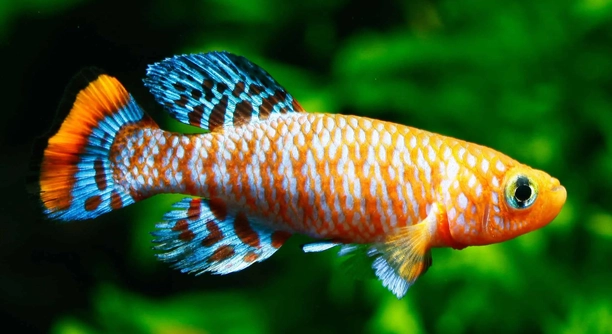
Are your killifish looking less lively than usual, swimming slower, or spending too much time hiding in their tank decorations? These small but energetic fish need the right care to stay active and healthy every day.
Killifish need proper tank size, clean water, varied diet, appropriate lighting, hiding spots, temperature control, and mental stimulation to stay active. These factors work together to maintain their energy levels, physical health, and natural behavior.
Creating the right environment helps your killifish thrive, keeping them engaged, colorful, and full of life in their aquatic world.
A Spacious Tank Makes a Big Difference
Killifish are active swimmers that need room to move around. Keeping them in a small tank can lead to stress and lower energy levels. A tank of at least 10 gallons is a good starting point for most types, but larger tanks are even better. A wider horizontal space allows killifish to swim more freely, which helps them stay active throughout the day. Crowded or narrow tanks can restrict their movement and affect their natural behavior. Adding open swimming areas without too many obstructions helps them explore and feel comfortable. Although decorations are important, balance is key. Avoid overfilling the tank with plants or rocks that limit movement. Also, be mindful of tank mates—too many fish in one space can cause tension and stress, especially with more territorial killifish species. Choosing the right tank size supports both physical activity and long-term health, making a noticeable difference in their behavior.
A spacious tank not only keeps your killifish more active but also improves their overall mood and comfort.
When setting up the tank, choose long tanks over tall ones. Killifish often prefer horizontal swimming and will make full use of the space. Also, keep a secure lid on top, as many species are known to jump.
Clean, Stable Water Keeps Them Going
Poor water quality slows your killifish down and causes stress. Clean, filtered water is essential to keeping them active and alert.
Filtration and regular water changes are non-negotiable. Killifish are sensitive to ammonia, nitrite, and nitrate levels, so keeping those in check is important. A basic sponge filter works well for smaller tanks, while more advanced setups can handle larger volumes. Test the water weekly to catch imbalances early. Sudden shifts in pH or temperature can shock the fish and reduce activity. Stable, warm temperatures—usually between 72°F and 78°F—help support metabolism and energy levels. Use a heater with a reliable thermostat to prevent cold swings. Always dechlorinate tap water before use, as untreated chlorine can irritate gills. A gentle current from the filter also helps maintain oxygen levels without stressing the fish. Clean water supports every system in a killifish’s body, from digestion to breathing, and it plays a major role in keeping them moving and exploring.
A Varied Diet Fuels Energy
Feeding your killifish the same food every day can reduce their interest in eating and slow them down. A mix of high-quality flakes, pellets, frozen, and live foods helps keep them active and healthy.
Live foods like brine shrimp, daphnia, and bloodworms trigger natural hunting instincts and boost energy levels. Rotating between different protein sources helps avoid nutritional gaps and improves digestion. Dry foods are fine, but they should not be the only option. Soaking pellets before feeding can make them easier to digest. Avoid overfeeding, as excess food can pollute the tank and lead to health problems. Feeding small amounts twice a day is a better choice than one large meal. Also, observe how they eat—active feeding is a good sign. A lack of interest in food can signal stress or poor water quality, both of which impact activity levels.
Feeding time is also a good chance to bond with your killifish. Watching them chase live food or react to new options gives you a better sense of their health and mood. If they lose interest in eating or seem sluggish during feeding, it’s a sign that something may be off in their setup. Adjusting their diet can often improve behavior quickly.
Lighting That Supports Activity
Killifish need a consistent day-night rhythm to stay active. Too much or too little light can confuse their internal clock, affecting their energy. Natural light works well, but a basic aquarium light set on a timer keeps things steady and simple.
Aim for 10 to 12 hours of light each day. This simulates daylight without overstimulating your fish. A reliable timer prevents you from having to remember daily schedules, and it keeps stress levels down. Avoid bright, direct lighting that can cause discomfort or stress. Instead, choose gentle, diffused lights that evenly cover the tank. Killifish come in vibrant colors, and the right lighting also helps bring out those details. Darkness is just as important as light—make sure they have at least 10 hours of nighttime for rest. Interrupting this cycle can lead to erratic behavior and poor sleep patterns. A regular light cycle supports both health and activity throughout the day.
Hiding Spots Build Confidence
Killifish stay more active when they feel secure. Adding caves, plants, or small decorations gives them places to hide and rest when needed. These safe zones help reduce stress and encourage natural behaviors like exploring and darting between cover.
Hiding spots also prevent aggression in community tanks. When killifish can retreat, they avoid unwanted interactions and recover calmly. Spread hiding areas across the tank so no single spot becomes overcrowded. The more balanced and peaceful the setup, the more active and confident your fish will behave during the day.
Warm Temperatures Boost Movement
Killifish are tropical fish and prefer warm water to stay active. Keep the tank temperature between 72°F and 78°F, depending on the species. Water that is too cold slows their metabolism, which affects swimming and feeding. Use a reliable heater and place a thermometer on the opposite side of the tank to monitor for even heat distribution. Sudden temperature drops, especially at night, can make them sluggish and lead to illness over time. Avoid placing the tank near windows or vents that can cause these shifts. Stable warmth helps killifish stay alert, move more often, and maintain bright, healthy colors.
Mental Stimulation Encourages Activity
Adding floating plants or rearranging tank decorations occasionally gives your killifish new things to explore. These small changes help keep them mentally engaged and physically active.
How often should I feed my killifish to keep them active?
Feeding your killifish small amounts twice a day is ideal for maintaining their energy levels. Overfeeding can lead to water quality issues, which in turn causes stress and inactivity. Feeding once daily or less can make them lethargic due to lack of nutrients. A balanced feeding schedule ensures they have constant fuel for swimming and exploring. Make sure to remove any uneaten food to avoid tank pollution. Using a variety of food types also encourages active hunting and natural behaviors.
What is the best tank size for killifish to stay active?
A minimum of 10 gallons is recommended for most killifish species, but bigger tanks are always better. Killifish enjoy horizontal swimming space, so wider tanks help them move freely. Crowded or cramped tanks cause stress and reduce their natural activity. Avoid keeping too many fish in one tank, as it limits swimming room and can cause aggression. Providing open areas along with plants and hiding spots strikes the right balance between security and space to swim.
How important is water quality for killifish activity?
Water quality is one of the most important factors for keeping killifish active. Ammonia, nitrites, and nitrates should be kept at zero or near zero levels. Even slight water contamination can cause lethargy and stress. Regular water changes and a good filtration system are essential. Test water parameters weekly and adjust as needed. Dechlorinated water with stable pH and temperature creates a healthy environment, encouraging natural movement and feeding behavior.
What temperature range keeps killifish most active?
Most killifish species thrive between 72°F and 78°F. Temperatures below this range slow their metabolism and reduce activity, while higher temperatures can stress them. Keeping a consistent temperature with a reliable heater and thermometer is crucial. Sudden temperature changes cause shock and can make fish hide or stop swimming. Stable warmth supports digestion, color vibrancy, and overall movement, making your killifish more lively and alert.
Are hiding spots really necessary for killifish activity?
Yes, hiding spots are vital. Killifish feel safer and less stressed when they have places to retreat. Stress from feeling exposed causes inactivity or hiding constantly. Providing plants, caves, and small decorations lets them rest and recover between active periods. It also helps prevent aggressive encounters if you keep multiple fish. Well-placed hiding places increase their confidence, encouraging them to swim and explore more often.
Does lighting affect killifish activity?
Proper lighting is important to regulate their day-night cycle. About 10 to 12 hours of gentle, even light per day keeps killifish active and aligned with their natural rhythms. Too much bright light causes stress and hiding, while too little light disrupts their behavior and energy levels. Using a timer ensures a consistent schedule, which helps prevent erratic activity or restlessness. Lighting also enhances their colors, making their movement more noticeable.
What types of food keep killifish the most active?
A varied diet including high-quality flakes, pellets, frozen, and live foods is best. Live foods such as brine shrimp or bloodworms stimulate hunting instincts, which boosts activity. Frozen foods provide good nutrition and variety. Dry foods are fine but should not be the only source. Rotating food types keeps their diet balanced and digestion healthy. Avoid feeding only one type of food for long periods, as this can reduce interest and energy.
How can I tell if my killifish is inactive due to poor care?
Signs of inactivity caused by poor care include sluggish swimming, hiding excessively, loss of appetite, and faded colors. These symptoms often point to issues like poor water quality, wrong temperature, or inadequate diet. Sudden changes in behavior should prompt a check of tank conditions. Improving water parameters, adjusting temperature, and offering better food can help restore normal activity. If inactivity persists, consult a vet or aquarium specialist to rule out illness.
Can tank mates affect killifish activity?
Yes, tank mates influence killifish behavior. Aggressive or overly active fish can stress killifish, causing them to hide or swim less. Peaceful, similar-sized species are better companions. Avoid overcrowding, which limits swimming space and increases competition for food. Keeping killifish in a calm environment helps maintain their natural activity levels. Proper tank mates support a balanced ecosystem and promote healthier, livelier fish.
What role does mental stimulation play in killifish activity?
Mental stimulation keeps killifish curious and engaged. Adding floating plants, rearranging decorations, or introducing new tank features encourages exploration. Without changes, fish can become bored and less active. Stimulating environments mimic natural habitats and promote natural behaviors like hunting and territorial swimming. Regularly updating the tank layout or adding new objects helps maintain interest and movement. Mental engagement is as important as physical space for active killifish.
Taking good care of killifish means paying attention to several important factors that help keep them active and healthy. Providing enough space in the tank is a basic but vital step. Killifish need room to swim freely without feeling crowded. Along with this, maintaining clean water with stable temperature and balanced chemical levels creates an environment where they can thrive. These elements directly affect their energy and willingness to explore their tank. When the water is clean and the temperature is right, killifish will swim more often and show brighter colors, which are signs of good health.
Feeding is another key part of their care. Offering a variety of foods helps meet their nutritional needs and keeps them interested in eating. Live foods like brine shrimp and bloodworms are especially helpful because they encourage natural hunting behaviors, which add to the fish’s activity levels. Overfeeding or feeding only one type of food can cause problems, such as poor water quality or less motivation to move. Small, frequent feedings of mixed foods make sure killifish stay energized throughout the day. It also helps to observe how they eat to catch any early signs of illness or stress.
Creating a comfortable and stimulating environment is just as important as physical care. Killifish need hiding spots like plants or caves to feel safe, which lowers stress and promotes natural activity. Proper lighting with a consistent day-night cycle helps regulate their behavior and keeps them alert. Adding small changes to the tank layout or decorations can provide mental stimulation that encourages movement. Overall, paying attention to tank size, water quality, diet, hiding places, and lighting will help your killifish stay active, healthy, and happy for a long time. These steps may seem simple, but they make a big difference in how your fish live and behave every day.

Hello,
If you enjoy the content that we create, please consider saying a "Thank You!" by leaving a tip.
Every little bit helps us continue crafting quality advice that supports the health, happiness, and well-being of pets around the world, for pets of all shapes, sizes, and species.
We really appreciate the kindness and support that you show us!