
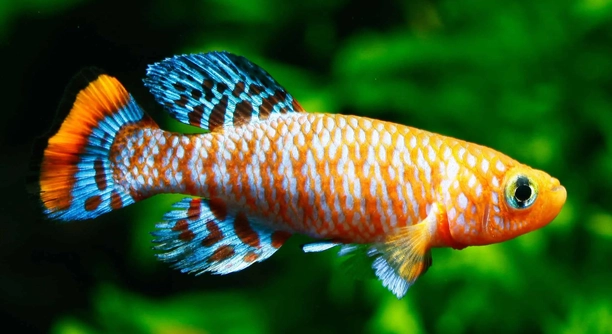
Overfeeding killifish is a common concern among hobbyists who want their fish to thrive. Proper feeding helps maintain their health and water quality. Understanding the effects of too much food is essential for a balanced aquarium environment.
Overfeeding killifish can lead to water pollution, poor fish health, and increased risk of diseases. Excess food decomposes rapidly, causing harmful ammonia spikes and stressing the fish, which reduces their immune response and overall lifespan.
Knowing how overfeeding affects your killifish will help you provide the right care. This article explains what happens when you feed them too much and how to avoid these problems.
Effects of Overfeeding on Water Quality
Overfeeding killifish directly impacts water quality in your aquarium. When excess food is left uneaten, it begins to decay and releases harmful substances such as ammonia and nitrites into the water. These compounds are toxic to fish and can cause stress, illness, and even death if not managed. Poor water quality can also encourage the growth of unwanted algae, making the tank look dirty and unhealthy. Maintaining a balanced feeding routine helps prevent these issues by reducing waste buildup. Regular water changes and proper filtration are essential to support a healthy environment. Monitoring water parameters closely can alert you to problems caused by overfeeding before they become serious. Adjusting the amount of food according to the number of killifish and their size ensures the tank remains stable and safe.
Overfeeding leads to rapid water deterioration, which is harmful to your killifish’s health and comfort.
The buildup of toxins in the water not only stresses killifish but also disrupts beneficial bacteria that help break down waste. This imbalance can cause a cycle of poor water quality that is difficult to reverse. By feeding appropriate portions, you support a healthier ecosystem in the tank. Observing your fish’s behavior and feeding habits helps determine when to reduce or increase food amounts. Feeding small quantities multiple times a day instead of one large feeding can minimize leftover food and maintain water clarity. Keeping the aquarium clean and monitoring water parameters regularly will prevent the negative effects of overfeeding from taking hold.
Impact on Killifish Health and Behavior
Excessive feeding affects killifish behavior and overall health in several ways.
When killifish receive more food than they need, they may become lethargic or less active due to digestive discomfort. Over time, too much food can lead to obesity, which weakens their immune system and makes them prone to infections. Uneaten food also encourages bacterial growth that can cause fin rot or other diseases. Overfed killifish sometimes show poor coloration and reduced breeding success. Feeding them carefully and providing a balanced diet rich in nutrients helps keep them energetic and vibrant. Regular observation of their behavior can help identify early signs of overfeeding, allowing you to adjust feeding practices accordingly. By maintaining a proper feeding schedule, you protect your killifish’s health and promote a lively tank environment.
How to Prevent Overfeeding Your Killifish
Controlling portion size is key to avoiding overfeeding. Feed small amounts that your killifish can finish within a few minutes to keep the tank clean and healthy.
Using a feeding schedule helps maintain consistent feeding times and quantities. Observing your fish’s appetite daily allows adjustments to prevent excess food buildup. It is better to feed less often and in smaller portions than to risk overfeeding. Over time, you will learn the right amount for your killifish based on their activity and size. Avoid leaving uneaten food in the tank, as it deteriorates water quality and harms your fish. Quality food, given in the right amount, supports healthy growth and vibrant coloration.
Different killifish species may require varying feeding amounts and frequencies. Researching the specific needs of your species helps tailor feeding practices. Regular tank maintenance combined with proper feeding will prevent the common problems caused by overfeeding.
Signs Your Killifish Are Overfed
Overfed killifish often show physical and behavioral changes. They may appear bloated or swim sluggishly due to digestive discomfort.
Excessive food intake can cause swelling in the abdomen, making the fish look unhealthy. Lethargy and reduced interest in swimming are common signs. Overfeeding may also lead to poor water conditions that stress the fish further. Noticeable changes in coloration or fin damage can result from poor water quality and health issues linked to overfeeding. Keeping an eye on these signs will help you act quickly to adjust feeding and care routines. Early detection prevents long-term harm and keeps your killifish active and healthy.
Common Mistakes That Lead to Overfeeding
Feeding too much at once is a frequent error. Many assume more food means healthier fish, but it often causes harm instead.
Ignoring leftover food and not adjusting portions based on the fish’s appetite worsens the problem. Consistent observation is needed to avoid these mistakes.
Best Feeding Practices for Killifish
Feeding killifish two small meals daily is generally ideal. Offer only as much food as they can consume in about two minutes. Use high-quality, species-appropriate food to ensure proper nutrition. Avoid over-reliance on one food type; variety supports health. Remove uneaten food promptly to maintain water quality. Monitor fish behavior and adjust feeding amounts accordingly. This routine helps keep killifish healthy and their tank environment stable, reducing the risks linked to overfeeding. Regular maintenance and careful feeding go hand in hand in preventing health problems and water pollution.
Monitoring Your Killifish’s Appetite
Pay attention to your killifish’s feeding response to adjust portions effectively and prevent waste buildup.
FAQ
How often should I feed my killifish to avoid overfeeding?
Feeding killifish once or twice a day in small amounts is usually enough. The key is to provide only what they can eat in about two minutes. This prevents leftover food that can pollute the water. Regular observation helps adjust feeding based on their activity and appetite.
What are the signs that I am overfeeding my killifish?
Signs include bloated bellies, sluggish swimming, and poor coloration. You might also notice uneaten food sinking to the bottom. Overfeeding causes water quality to decline, which can lead to fish stress and disease.
Can overfeeding cause diseases in killifish?
Yes, overfeeding leads to excess waste and toxic water conditions that weaken the fish’s immune system. This increases the risk of infections like fin rot and other bacterial diseases.
What type of food is best for killifish to prevent overfeeding issues?
A varied diet of high-quality flake, pellet, frozen, or live foods is best. Feeding small, balanced portions helps maintain health and reduces waste. Avoid over-reliance on one type of food to ensure proper nutrition.
How does overfeeding affect the aquarium environment?
Uneaten food decomposes, releasing harmful ammonia and nitrites that damage water quality. This can lead to algae blooms and toxic conditions that stress or kill fish. Good filtration and regular water changes are necessary to manage these effects.
Is it better to feed small meals multiple times a day or one large meal?
Smaller meals given more frequently are better. This matches natural feeding habits, reduces leftover food, and keeps water cleaner. It also helps prevent digestive issues related to overeating.
What should I do if I accidentally overfeed my killifish?
Remove any uneaten food as soon as possible. Test water parameters and perform a partial water change if needed. Monitor your fish for signs of stress or illness and reduce feeding amounts until conditions improve.
Can overfeeding cause obesity in killifish?
Yes, too much food can lead to weight gain and obesity. Overweight fish have weaker immune systems and may experience reduced lifespan and reproductive success.
How can I tell if my killifish are hungry or full?
Killifish will actively swim and gather near food during feeding. If they ignore food or swim away, they may be full. Observing their behavior over time helps determine appropriate feeding amounts.
What role does tank maintenance play in managing overfeeding effects?
Regular cleaning, water changes, and filter upkeep prevent waste buildup and maintain healthy water. Good tank maintenance complements proper feeding to protect killifish health.
Can juvenile and adult killifish be fed the same amount?
No, juveniles need smaller, more frequent meals to support growth. Adults require less food overall. Adjust feeding based on size and age to avoid overfeeding.
Are live foods better than flakes or pellets to prevent overfeeding?
Live foods often stimulate natural hunting behavior, which can reduce overeating. However, portion control is still important. Using a mix of live, frozen, and prepared foods provides balanced nutrition.
How long can killifish go without food safely?
Killifish can typically go a day or two without food without harm. Fasting occasionally helps prevent overfeeding and supports digestion.
Does overfeeding affect breeding in killifish?
Yes, overfed killifish may have reduced breeding success. Poor water quality and obesity lower reproductive health. Proper feeding and tank care encourage better breeding results.
What is the best way to measure food portions for killifish?
Start with small pinches or pellets and watch how quickly your fish finish. Adjust portions so that no food remains uneaten after two to three minutes. Consistency helps maintain balance.
Can other tank mates cause overfeeding issues?
Yes, some species may compete aggressively for food, causing overfeeding or uneven feeding. Monitor feeding to ensure all fish get the right amount without excess waste.
How important is it to observe my killifish during feeding?
Observing feeding behavior is crucial. It helps identify if they are eating properly or if adjustments are needed. This prevents overfeeding and keeps the tank environment healthy.
What happens if I ignore overfeeding signs?
Ignoring overfeeding leads to poor water quality, stressed fish, and higher mortality rates. It becomes harder to restore a balanced environment the longer the problem persists.
Can automated feeders help prevent overfeeding?
Automated feeders can control portion size and timing, reducing human error. However, they still require regular monitoring to ensure proper amounts and fish health.
Are there any natural ways to reduce killifish appetite if overfeeding is a concern?
Maintaining good water quality and a balanced diet helps regulate appetite. Avoid feeding high-fat or sugary foods that may increase hunger. Fasting days can also help control overeating.
Final Thoughts
Overfeeding killifish is a common mistake that can easily be avoided with careful attention. Providing too much food harms both the fish and their environment. When excess food accumulates in the tank, it causes water quality to decline, making the habitat stressful and unsafe for the killifish. This stress can lead to illness and reduce their lifespan. Feeding the right amount helps maintain a clean tank and supports the fish’s health and well-being. It is important to remember that killifish, like many small fish, do not need large quantities of food. Small, measured portions given regularly work best to keep them healthy.
Proper feeding goes hand in hand with good tank maintenance. Regular water changes and filter care help remove waste and toxins that build up over time. Even with careful feeding, some uneaten food and fish waste will accumulate. Keeping the tank clean prevents these from reaching harmful levels. Observing the fish’s behavior and physical condition is essential in managing feeding amounts. Killifish that swim actively and show bright colors are usually well cared for. If you notice signs like bloating or sluggish movement, it might be time to reduce food amounts or check water quality. Monitoring these details helps avoid serious problems before they start.
Feeding killifish is not difficult once you understand their needs. It takes patience and consistent care to find the right balance. By feeding small amounts that the fish can consume quickly, you support a healthier tank environment and happier fish. Avoiding overfeeding not only protects your killifish’s health but also reduces the need for frequent water changes and tank cleaning. Keeping these points in mind will make caring for your killifish more rewarding and enjoyable. Taking simple steps like controlling food portions, maintaining the tank, and watching your fish closely will ensure they live a healthy, vibrant life.

Hello,
If you enjoy the content that we create, please consider saying a "Thank You!" by leaving a tip.
Every little bit helps us continue crafting quality advice that supports the health, happiness, and well-being of pets around the world, for pets of all shapes, sizes, and species.
We really appreciate the kindness and support that you show us!