
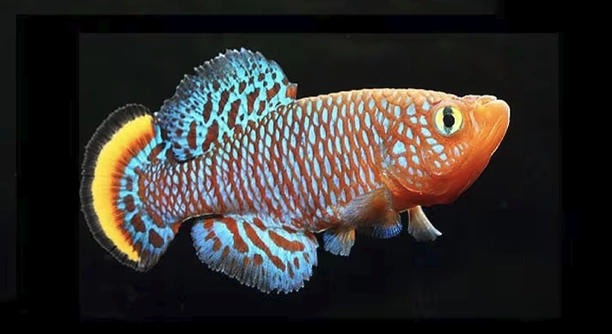
Killi fish are popular for their vibrant colors and small size, making them a favorite among aquarium enthusiasts. Keeping them healthy requires attention to simple daily habits that can make a big difference in their well-being. These small actions help maintain a balanced environment for killi fish to thrive.
Maintaining killi health involves consistent water quality checks, proper feeding routines, and suitable tank conditions. Small changes like regular water changes, appropriate diet, and minimizing stress contribute significantly to their overall vitality and longevity in captivity.
These practical tips will help you support your killi’s health with ease and confidence throughout their life in your care.
Consistent Water Quality
Maintaining consistent water quality is essential for keeping killi fish healthy. Regular water changes remove harmful toxins like ammonia and nitrites that build up over time. Testing the water frequently ensures that parameters such as pH, temperature, and hardness remain stable. Sudden changes in these factors can stress the fish and lead to illness. Using a reliable water conditioner helps neutralize chlorine and other chemicals found in tap water. It’s also important to avoid overcrowding the tank, which can increase waste and lower water quality. A clean filter plays a key role in keeping the water clear and balanced, so regular cleaning without disrupting beneficial bacteria is necessary. These simple steps protect your killi fish from common water-related problems and promote a healthy environment.
Regular water tests and partial water changes are the most effective ways to prevent health issues caused by poor water conditions.
Keeping water quality stable reduces stress and disease risk, allowing killi fish to grow and reproduce successfully.
Proper Feeding Habits
Feeding killi fish the right diet is crucial for their health. They need a balanced mix of protein and nutrients found in live or frozen foods like brine shrimp and daphnia. Overfeeding can pollute the water and cause digestive problems, so offering small amounts twice a day works best. Avoid feeding large flakes or pellets that don’t match their natural diet, as this can lead to malnutrition. Observing how much your fish eat helps prevent waste accumulation in the tank. Changing their diet occasionally also supports their immune system and vitality. Keeping feeding routines consistent contributes to their overall happiness and energy levels.
Feeding small portions twice daily prevents overfeeding and keeps water cleaner, promoting better health in your killi fish.
Introducing varied foods and controlling portions ensure they receive essential nutrients without risking water contamination or obesity.
Tank Environment
Providing a suitable tank environment is vital for killi fish health. The tank should have enough space, plants, and hiding spots to reduce stress. Clean substrate and proper lighting help mimic their natural habitat.
A well-decorated tank with live plants offers hiding places that make killi fish feel safe. Plants also improve water quality by absorbing nitrates. Lighting should be moderate, avoiding intense brightness that can stress the fish. The tank size depends on the number of fish, but at least 10 gallons is recommended for a small group. Proper circulation and gentle filtration maintain clean water without strong currents that could tire or injure the fish.
Temperature control is also important. Killi fish thrive in stable temperatures around 72–78°F. Using a reliable heater and thermometer helps keep conditions steady. Avoid rapid temperature changes, which can weaken their immune system and cause illness.
Stress Reduction
Stress negatively impacts killi fish health, making them vulnerable to disease. Minimizing stress through tank setup and handling is essential.
Avoid sudden movements around the tank and loud noises that can frighten the fish. Introduce new tank mates carefully to prevent aggression or territorial fights. Consistent feeding schedules and maintaining water quality also lower stress levels. Handling should be minimal; if necessary, use gentle techniques to reduce harm. Stress can suppress the immune system, slowing recovery from illness and affecting growth. Providing a calm, stable environment helps killi fish stay active and healthy.
Regular Observation
Watching your killi fish regularly helps catch health issues early. Look for changes in behavior, color, or appetite.
Noticing subtle signs like lethargy or spots can prevent serious problems. Quick action based on observation supports timely treatment and recovery.
Clean Tank Maintenance
Cleaning the tank on a schedule prevents waste buildup and harmful bacteria growth. Use gentle methods to avoid stressing the fish.
Partial water changes and filter cleaning keep the environment safe. Avoid harsh chemicals that can harm your killi fish’s delicate system.
Avoid Overcrowding
Overcrowding leads to stress, poor water quality, and disease spread. Keep the number of fish appropriate for tank size.
Providing enough space improves swimming freedom and reduces territorial aggression among killi fish.
FAQ
How often should I change the water in my killi fish tank?
Water changes should be done regularly, about 20-30% every week. This helps remove toxins and keep the water fresh. Partial changes prevent stress from sudden shifts in water chemistry. Avoid changing too much at once, as it can shock your fish.
What is the ideal temperature for killi fish?
Killi fish do best between 72°F and 78°F. Keeping the temperature stable is important because sudden drops or rises can stress them. Use a reliable heater and thermometer to monitor the tank, adjusting only gradually if needed.
What should I feed my killi fish?
Killi fish prefer live or frozen foods like brine shrimp, daphnia, and bloodworms. These provide essential proteins and nutrients. Small portions twice daily work well. Avoid overfeeding, as leftover food can pollute the water and harm the fish.
Can killi fish live with other fish?
Some killi fish can live peacefully with certain small, non-aggressive species. However, many killi fish are territorial or aggressive toward tank mates. Monitor interactions closely, and be ready to separate them if signs of stress or fighting appear.
How do I know if my killi fish is sick?
Common signs of illness include lethargy, loss of appetite, faded color, and unusual spots or growths. Rapid breathing or clamped fins can also indicate health issues. Regular observation helps catch these signs early for quicker treatment.
What kind of tank setup do killi fish need?
A 10-gallon tank or larger with live plants, hiding spots, and gentle filtration works well. Plants help improve water quality and reduce stress by offering shelter. Avoid strong currents, as killi fish prefer calmer waters.
Why is my killi fish hiding all the time?
Hiding can mean your fish feels stressed or threatened. This might happen if the tank is too bright, overcrowded, or if aggressive fish are present. Providing plenty of plants and decorations for shelter usually helps them feel safer.
How often should I clean the filter?
Clean the filter media every 3-4 weeks using tank water, not tap water, to preserve beneficial bacteria. Over-cleaning can reduce the bacteria needed to break down waste, harming water quality.
Is it normal for killi fish to jump out of the tank?
Yes, killi fish are known jumpers. It’s important to use a secure lid to prevent escapes. Make sure the tank has a cover with no gaps that fish can slip through.
Can killi fish breed in a community tank?
Breeding killi fish in a community tank is challenging because other fish may eat the eggs or fry. It’s better to set up a separate breeding tank with proper hiding spaces for the young.
How long do killi fish usually live?
Killi fish typically live 2 to 4 years, depending on care and species. Good water quality, proper diet, and low stress levels help extend their lifespan.
What causes white spots on killi fish?
White spots often indicate a parasite called Ich. It spreads quickly and can be treated with medication. Early detection and isolation of infected fish help prevent outbreaks.
Can I use tap water for my killi fish tank?
Tap water is safe only if treated with a water conditioner to remove chlorine and chloramines. Untreated tap water can harm your fish and beneficial bacteria.
How do I introduce new fish to my killi tank?
Introduce new fish slowly by floating their bag in the tank to equalize temperature. Gradually mix tank water into the bag over an hour before releasing. This reduces stress and risk of shock.
Why does my killi fish refuse to eat?
Refusal to eat can be due to stress, poor water quality, illness, or sudden changes in environment. Check water parameters and look for signs of disease. Sometimes switching to live food can stimulate appetite.
Final thoughts are important when it comes to caring for killi fish. These small fish may seem easy to care for, but their health depends on consistent and careful attention. Keeping water quality stable, feeding the right foods in the right amounts, and maintaining a proper tank environment all play key roles. Small actions done regularly can prevent many common problems. Remember that killi fish are sensitive to sudden changes, so patience and steady routines will help them thrive.
It is easy to overlook some of the smaller details, but these often make the biggest difference in killi health. Observing the fish daily allows for early detection of any signs of illness or stress. This simple habit can save a lot of trouble later by catching issues before they become serious. Stress reduction is also critical, as stressed fish are more prone to disease. Providing hiding spots, avoiding overcrowding, and minimizing sudden disturbances can keep your fish calm and healthy. Taking the time to maintain a clean tank and proper temperature range supports their natural behaviors and immune system.
Overall, caring for killi fish requires attention to many little things that add up to a healthy environment. Consistency is key, and small adjustments can have a positive impact over time. These fish bring color and life to a tank, and their well-being depends on the care they receive. Following basic guidelines on feeding, water maintenance, and stress management helps ensure your killi fish live a long, happy life. Paying close attention to these details makes the difference between a struggling tank and a thriving one.

Hello,
If you enjoy the content that we create, please consider saying a "Thank You!" by leaving a tip.
Every little bit helps us continue crafting quality advice that supports the health, happiness, and well-being of pets around the world, for pets of all shapes, sizes, and species.
We really appreciate the kindness and support that you show us!