
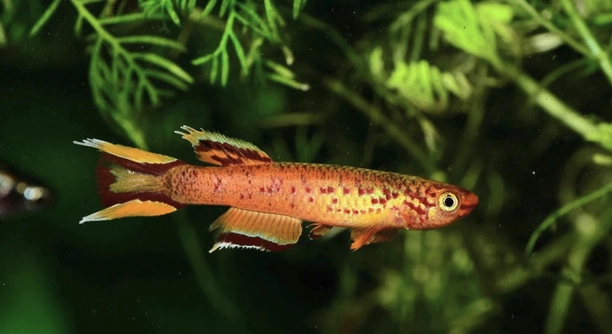
Killi fry often gather in the corners of their tank, which can catch the attention of many fish keepers. This behavior may seem unusual, especially when they usually swim freely throughout the tank. Observing these small fish closely can reveal insights into their health and environment.
Killi fry pile up in corners primarily due to environmental stress, poor water conditions, or a lack of hiding spots. These factors cause them to seek refuge and feel safer in confined spaces, limiting their usual swimming activity and natural behavior.
Understanding why your killi fry behave this way can help you improve their living conditions. Addressing these factors ensures their well-being and promotes a healthier, more active environment for your fish.
Common Causes of Killi Fry Gathering in Corners
Killi fry tend to cluster in corners for several straightforward reasons. First, water quality plays a major role. If the tank’s water has high ammonia or nitrite levels, fry may feel unsafe and retreat to corners. Second, insufficient oxygen can cause them to gather where aeration is better, often near filters or corners. Third, lack of hiding places leaves them vulnerable, so they seek out corners as makeshift shelters. Additionally, sudden changes in temperature or light can stress the fry, causing this behavior. Lastly, overcrowding or aggressive tank mates can push fry to the edges for protection. By monitoring these factors, you can better understand their behavior and take steps to improve their environment.
Keeping an eye on water parameters, such as pH and temperature, is crucial for fry comfort and health. Small changes can have big effects on their activity and well-being.
Adjusting tank setup and maintaining stable water conditions encourage fry to swim freely. Adding plants and gentle filtration also helps create a safe, comfortable space, reducing their need to cluster in corners.
Improving Your Tank Environment
Providing proper tank conditions is essential to encourage natural behavior in killi fry. Ensure the water is clean by performing regular partial water changes and testing parameters frequently. Installing a gentle filter will help maintain oxygen levels without creating strong currents that stress fry. Including live plants or decorations offers hiding spots that reduce fear and stress. Avoid bright lighting or sudden changes that may startle the fry. Keeping the tank at a stable temperature suited to the species also supports their activity. Lastly, avoid overcrowding by limiting the number of fish in the tank to prevent competition and stress. These steps help create an environment where killi fry feel safe and more likely to explore rather than hide in corners.
An ideal setup considers both physical and chemical aspects of the tank. Together, they build a healthy habitat for your fry to thrive. Regular observation allows quick adjustments to keep conditions optimal and the fry active and comfortable.
Stress Factors Affecting Killi Fry Behavior
Stress in killi fry often results from poor water quality, overcrowding, or sudden environmental changes. These stressors can cause fry to seek refuge in corners where they feel safer.
Maintaining stable conditions is key to reducing stress. Sudden temperature fluctuations or inconsistent lighting disrupt fry behavior. Overcrowding increases competition for food and space, pushing fry to the edges. Chemical imbalances, such as high ammonia or nitrite levels, also cause discomfort and stress. Observing your fry’s response to changes can help identify specific stress triggers and prevent long-term issues.
Minimizing stress requires consistent care. Regular water testing and changes ensure a safe environment. Providing hiding spots reduces anxiety and encourages natural movement. Keeping compatible tank mates and avoiding overcrowding lowers aggression and competition. These efforts make your tank a calmer place where fry feel secure enough to explore.
Feeding Habits and Their Impact on Fry Positioning
Killi fry often gather in corners during feeding times because food particles accumulate there. Uneaten food settles in corners, attracting fry looking for easy meals. This behavior is natural but can also signal feeding issues.
Overfeeding or inconsistent feeding schedules lead to food waste and poor water quality. Fry may linger in corners waiting for food to settle, which can increase stress and water pollution. Feeding small, frequent portions encourages even distribution of food and reduces corner congregation. Live or finely crushed food also promotes active feeding throughout the tank. Monitoring feeding habits helps balance nutrition and tank cleanliness, improving fry behavior and health.
Tank Setup and Space
Limited swimming space often causes killi fry to cluster in corners. Smaller tanks or overcrowded environments restrict their movement, making corners the safest spots.
Adding plants and decorations can create natural hiding places, encouraging fry to explore the tank rather than hiding.
Lighting and Its Effect on Fry Behavior
Bright or harsh lighting can stress killi fry, causing them to avoid open areas and stay in shaded corners. Using dimmer or adjustable lighting helps reduce stress and encourages more natural swimming patterns. Creating shaded spots with plants or decorations allows fry to feel secure and active throughout the tank.
Water Temperature Stability
Stable water temperature is crucial for fry health. Sudden drops or rises cause fry to become inactive and seek shelter in corners, where the temperature is more consistent.
Keeping a steady temperature suited to killi fry species promotes calm behavior and balanced activity.
FAQ
Why do my killi fry always stay in the corners of the tank?
Killi fry often stay in corners because they feel safer there. Corners offer protection from currents, bright light, and other fish. Stress, poor water quality, and lack of hiding spots also push them to these areas. Improving tank conditions usually encourages more natural swimming behavior.
How can I improve water quality for my killi fry?
Regular water changes, at least 20-30% weekly, help keep water clean. Test ammonia, nitrite, and nitrate levels often and keep them at safe levels. Use a gentle filter to avoid strong currents but maintain good oxygenation. Avoid overfeeding to reduce waste buildup.
What kind of hiding places should I provide?
Live plants, floating moss, and soft decorations work well for killi fry. These offer shelter and reduce stress. Avoid sharp or rough objects that could harm the tiny fry. Even small PVC tubes or leaf litter can create safe spots for them to rest and hide.
How often should I feed my killi fry?
Feed small amounts 2-3 times daily to avoid overfeeding and waste buildup. Use finely crushed flakes, baby brine shrimp, or micro-worms for proper nutrition. Regular, small feedings encourage activity and prevent fry from clustering in one spot waiting for food.
Can tank mates cause fry to hide in corners?
Yes, aggressive or larger fish can stress fry, pushing them to corners. Keep fry with peaceful, compatible species or in a separate breeding tank. Overcrowding also increases stress, so maintain a reasonable number of fish in your tank.
What is the ideal temperature for killi fry?
Most killi species thrive between 72°F and 78°F (22°C – 26°C). Sudden temperature changes cause stress and inactivity. Use a reliable heater and thermometer to maintain stable water temperature. Avoid placing the tank near drafts or direct sunlight.
Does lighting affect killi fry behavior?
Bright lighting can cause fry to seek shaded corners. Use dim or indirect lighting to keep them comfortable. Adding floating plants or decorations creates shaded areas. Gradually adjust light intensity to avoid sudden stress.
Why do killi fry gather during feeding?
Food particles often settle in corners, so fry gather there to feed. Uneaten food can pollute water, increasing stress and health risks. Distribute food evenly, feed smaller amounts, and remove leftovers to promote better swimming behavior.
How can I reduce stress in my killi fry?
Maintain clean, stable water conditions and provide hiding spots. Avoid sudden changes in temperature or lighting. Feed appropriately and avoid overcrowding. Keeping the tank environment consistent and calm encourages healthy, active fry.
Is overcrowding harmful to killi fry?
Yes, overcrowding causes stress, competition for food, and limited swimming space. This often leads to fry hiding in corners. Ensure enough space and limit the number of fry in the tank for balanced growth and behavior.
What signs show my killi fry are healthy?
Active swimming throughout the tank, regular feeding, and bright coloration are good signs. Healthy fry respond to food quickly and use different tank areas. Lethargy, clumping in corners, or gasping at the surface indicate possible problems.
How long do killi fry usually stay small and shy?
Killi fry tend to be shy for the first few weeks after hatching as they develop strength and confidence. With proper care, they gradually become more active swimmers and explore the entire tank.
Can I use a breeding box to protect killi fry?
Yes, a breeding box can protect fry from other fish and reduce stress. It also makes monitoring water quality and feeding easier. Just ensure good water flow and regular cleaning to keep fry healthy.
Final thoughts on why killi fry pile up in corners highlight the importance of understanding their environment and needs. These small fish are sensitive to changes in water quality, temperature, and tank setup. When conditions are not ideal, they naturally seek safer places, like corners, to feel protected. Recognizing this behavior as a sign of stress or discomfort can help fish keepers take timely steps to improve the situation. Providing a clean, stable, and well-planned habitat encourages fry to swim freely and develop properly.
Taking care of killi fry involves consistent monitoring and small adjustments. Regular water testing and partial water changes maintain healthy conditions. Adding plants and decorations creates hiding spots that reduce anxiety and encourage exploration. Feeding the fry small amounts often helps prevent leftover food from polluting the tank. It is also important to keep the tank at a stable temperature and avoid overcrowding. These simple but effective actions help build a more balanced environment where killi fry can thrive rather than hide.
Overall, the behavior of killi fry gathering in corners is a natural response to their surroundings. By paying close attention to water quality, tank setup, feeding habits, and stress factors, you can create a healthier and safer space for them. This promotes their growth and activity, making them more enjoyable to observe. Understanding these needs will guide you in providing the best care possible, ensuring your killi fry have a better chance at a strong start in life.

Hello,
If you enjoy the content that we create, please consider saying a "Thank You!" by leaving a tip.
Every little bit helps us continue crafting quality advice that supports the health, happiness, and well-being of pets around the world, for pets of all shapes, sizes, and species.
We really appreciate the kindness and support that you show us!