
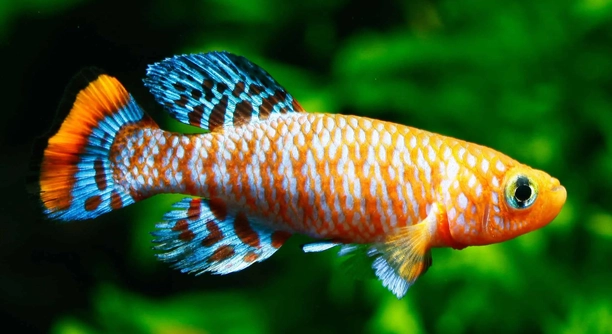
Killi fish are small, colorful freshwater fish popular among aquarium enthusiasts. Knowing when they are full grown helps ensure they receive proper care and live healthy lives. This article provides clear information about their growth stages.
A killi fish is considered full grown when it reaches its species-specific adult size, typically between 1 to 2.5 inches in length. This stage occurs around 6 to 12 months of age, depending on environmental conditions and diet, which directly influence their growth rate.
Understanding the growth timeline helps you maintain a healthy environment for your killi fish and supports their well-being throughout their life.
Growth Stages of Killi Fish
Killi fish go through several growth stages before reaching full maturity. At first, they hatch as tiny larvae, barely visible to the eye. During their first few weeks, they grow rapidly, feeding mainly on microscopic foods like infusoria and newly hatched brine shrimp. By the end of the first month, they start developing their bright colors and adult body shape. Around three to four months, they enter a juvenile phase where growth slows but coloration becomes more vivid. The final stage is adulthood, which typically arrives between six and twelve months. During this time, killi fish reach their maximum size and their reproductive organs fully develop. Proper diet and water quality are key during all these stages to support healthy growth. Overfeeding or poor water conditions can delay growth or cause health issues.
Adult killi fish will generally stop growing once they reach their species-specific size. This signals the end of their growth stages.
It’s important to recognize these stages so you can adjust care as your fish develops. Feeding amounts and types may change, and tank conditions should be maintained carefully. Watching your killi fish mature can be rewarding and helps you provide the best environment possible.
Factors Influencing Killi Fish Growth
Water quality plays a crucial role in the growth rate of killi fish. Clean, well-filtered water with stable temperature and pH levels ensures they can grow without stress. Temperature affects their metabolism; warmer water within the species’ preferred range typically speeds up growth, while cooler water slows it down. Feeding is another major factor—providing a balanced diet rich in protein supports faster, healthier growth. Live or frozen foods such as daphnia, mosquito larvae, and bloodworms are excellent choices. Overfeeding, however, can pollute the water and harm the fish. Tank size also matters; crowded conditions can stunt growth by increasing stress and competition for resources. Finally, genetics influence growth potential; some strains naturally grow larger or faster than others. Monitoring these factors will help maintain healthy killi fish that reach full size as expected.
Signs Your Killi Fish Has Reached Full Growth
When a killi fish reaches full growth, its size stabilizes and stops increasing noticeably. Adult colors become solid and well-defined, especially in males. Behavior may change slightly, with adults showing more territorial or mating-related actions. Their fins are fully developed and often more elaborate.
Full-grown killi fish typically have a firm, robust body shape compared to juveniles. The overall length is consistent for the species, and the fish swim with steady, confident movements. At this stage, their feeding habits settle into a regular pattern. Observing these physical and behavioral changes can confirm that your killi fish has matured.
It’s also common to see adult males display brighter coloration and more elaborate fin shapes. Females tend to be plumper, especially when ready to spawn. Recognizing these signs helps in managing breeding tanks and ensuring proper care for mature fish.
Common Mistakes Affecting Killi Fish Growth
Overfeeding is a frequent mistake that can lead to poor water quality and health problems, which in turn slow growth. Feeding too much or too often causes leftover food to decay, increasing ammonia and nitrate levels harmful to fish. It’s important to feed only what your killi fish can consume within a few minutes.
Incorrect water temperature can also hinder growth. Killi fish need a stable temperature range, usually between 72°F and 78°F, depending on the species. Sudden temperature changes or prolonged exposure to temperatures outside this range can stress fish and reduce their growth rate.
Neglecting regular tank maintenance can cause harmful waste buildup. Regular water changes and filter cleaning are necessary to keep the environment healthy. Without proper care, your fish may show stunted growth, dull colors, or weakened immune systems. Avoiding these mistakes supports your killi fish in reaching full size and living a healthy life.
Ideal Tank Conditions for Growth
Clean water with stable parameters is essential for killi fish to grow properly. Regular water changes and monitoring pH, temperature, and ammonia levels help maintain a healthy environment.
A tank with plenty of hiding spots and plants reduces stress, which supports steady growth. Avoid overcrowding to prevent competition and aggression among fish.
Feeding Tips for Healthy Development
A varied diet is key to healthy growth in killi fish. Include live or frozen foods such as daphnia, mosquito larvae, and bloodworms to provide necessary nutrients. Supplement with high-quality flake or pellet foods to ensure balanced nutrition. Feeding small amounts multiple times a day helps maintain water quality and keeps your fish energized.
Breeding and Full Growth
Killi fish usually reach full maturity before they are ready to breed. Mature males show brighter colors and may display courtship behaviors. Females become fuller-bodied when carrying eggs. Understanding this timing can help manage breeding efforts effectively.
Monitoring Growth Progress
Keep track of your killi fish’s size and behavior to ensure they develop normally. Regular observation helps catch any growth issues early, allowing timely adjustments to care routines.
FAQ
How long does it take for a killi fish to reach full size?
Most killi fish reach their full size between six and twelve months. The exact time depends on species, diet, and water conditions. With proper care, you can expect your fish to grow steadily and reach adult size within this period.
What size is a full-grown killi fish?
Full-grown killi fish usually measure between 1 and 2.5 inches, depending on the species. Some varieties remain smaller, while others grow slightly larger. Size stops increasing once they reach maturity.
Can poor water quality affect growth?
Yes, poor water quality directly impacts growth. High ammonia, nitrate, or nitrite levels cause stress and health problems. Maintaining clean water with regular changes and proper filtration is essential for healthy development.
What should I feed a growing killi fish?
A diet rich in protein is best. Live or frozen foods like bloodworms, daphnia, and mosquito larvae promote fast growth. Supplement with quality flakes or pellets for balanced nutrition. Avoid overfeeding to keep water clean.
Do male and female killi fish grow differently?
Males often grow slightly larger and develop brighter colors and more elaborate fins. Females tend to have rounder bodies, especially when carrying eggs. These differences become more noticeable once the fish reach adulthood.
Can temperature changes affect growth?
Yes, stable temperatures within the species’ preferred range (usually 72°F to 78°F) are important. Sudden fluctuations or prolonged exposure to cold or heat can slow growth and stress the fish.
Is it normal for killi fish to stop growing suddenly?
Growth naturally slows as the fish approaches adulthood. If growth stops prematurely, it could indicate stress, poor water conditions, or inadequate diet. Review tank conditions and feeding routines if this happens.
How can I tell if my killi fish is healthy and growing well?
Healthy killi fish are active, have bright colors, and steady swimming patterns. They maintain a consistent size appropriate for their age. Regularly observing behavior and appearance helps you track their growth.
Should I separate adult killi fish from juveniles?
It’s a good idea to separate adults from juveniles to prevent aggression and competition for food. Adults may also prey on smaller fish, so keeping them apart supports the well-being of younger killi fish.
Does tank size impact killi fish growth?
Yes, a larger tank reduces stress and allows better water quality, supporting growth. Crowded or small tanks can stunt growth due to limited space and higher waste buildup.
What are common signs of stunted growth?
Signs include unusually small size for age, dull coloration, lethargy, and loss of appetite. These symptoms often indicate poor water quality, insufficient nutrition, or disease.
Can killi fish grow after spawning?
Generally, killi fish stop growing once fully mature, including after spawning. However, females may appear fuller due to eggs, which can temporarily change their body shape.
How often should I feed my killi fish for best growth?
Feeding small amounts two to three times a day is ideal. This prevents overfeeding while providing consistent energy for growth and helps keep the water clean.
Are there specific species of killi fish that grow faster?
Some species grow faster than others based on genetics and natural habitat. For example, Fundulopanchax species often grow more quickly compared to smaller killifish types.
What role does genetics play in growth size?
Genetics largely determines maximum size and growth potential. Even with perfect care, some killi fish will remain smaller or larger based on their breed.
How do I know when my killi fish is ready to breed?
Signs include bright coloration in males, more rounded bodies in females, and specific courtship behaviors. Breeding usually occurs after full growth is reached.
Can poor nutrition delay growth?
Yes, lacking essential nutrients, especially proteins and vitamins, slows growth. A balanced and varied diet helps avoid this issue.
Is it necessary to supplement killi fish diet with live food?
While not strictly necessary, live food greatly improves health and growth. It mimics their natural diet and provides nutrients not always present in flakes or pellets.
How can I improve growth if my killi fish seem stunted?
Check water quality, improve diet with high-protein foods, maintain proper temperature, and avoid overcrowding. Addressing these factors usually helps restore healthy growth.
Are there any signs that indicate my killi fish has reached old age?
Older killi fish may show slower movements, faded colors, and less appetite. Growth stops well before old age, so size remains constant as they age.
Final thoughts on when a killi fish is considered full grown are important for any keeper. Knowing the signs of full growth helps ensure the fish receives proper care throughout its life. Most killi fish reach their full size between six and twelve months, depending on the species and conditions. During this time, factors like diet, water quality, and temperature play a big role in supporting healthy growth. Recognizing when your killi fish has reached adulthood means you can adjust your care routine to meet its needs better.
It is common to see physical changes as killi fish grow. Adult fish usually stop growing in length, develop brighter colors, and show full fin shapes. Males and females may look different once mature, with males often displaying more vibrant colors and larger fins, while females may appear fuller-bodied. These changes are signs your fish is healthy and mature. Proper feeding, clean water, and a stable environment help your killi fish reach this stage without issues. Avoiding common mistakes like overfeeding or poor tank conditions is important to prevent stunted growth or health problems.
Understanding growth stages and signs of maturity also helps with breeding plans and tank management. Mature killi fish show specific behaviors related to mating and territorial defense. Separating adults from juveniles can protect younger fish from aggression and ensure better growth for all. Regular observation is key to tracking development and spotting any issues early. Taking care of these small fish with attention and knowledge will allow them to live full, healthy lives and reach their full potential size.

Hello,
If you enjoy the content that we create, please consider saying a "Thank You!" by leaving a tip.
Every little bit helps us continue crafting quality advice that supports the health, happiness, and well-being of pets around the world, for pets of all shapes, sizes, and species.
We really appreciate the kindness and support that you show us!