
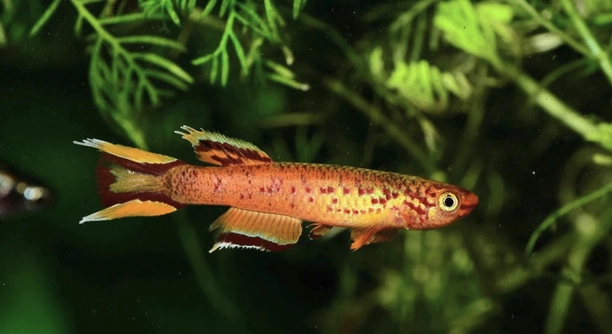
Are your killifish not growing as quickly as you expected? Many hobbyists face this common issue despite providing seemingly good care. Understanding the factors that affect their growth can help you improve their environment and feeding routine.
Killifish growth rates are influenced by multiple factors including water quality, diet, tank conditions, genetics, stress levels, and proper temperature. Each of these elements must be optimized to support healthy and consistent development in killis.
Knowing what impacts their growth will help you make the right adjustments. This article will guide you through key reasons and practical solutions to support your killis’ health and growth.
Poor Water Quality
Killifish are sensitive to water conditions, and poor water quality can slow their growth significantly. Ammonia, nitrites, and nitrates should be closely monitored, as even small spikes can stress the fish. Regular water changes help maintain a stable and clean environment, promoting healthier and faster growth. The pH and hardness of the water also affect killis. Most species prefer slightly acidic to neutral pH, but it varies depending on the type. Temperature fluctuations can stress killifish and reduce their appetite, leading to slower growth. Using a reliable water testing kit and maintaining consistent parameters helps your killis thrive. Proper filtration and aeration are important too, as stagnant water can quickly degrade. Overall, keeping water clean and stable is one of the simplest ways to improve your killifish’s development and health.
Water changes of 20-30% weekly help maintain stable water parameters. This routine supports killis’ growth and reduces stress.
Monitoring water quality carefully is key to preventing common growth problems. Clean water means healthier fish, better feeding, and faster development. Taking time to check and adjust water parameters regularly will help your killifish reach their full potential.
Inadequate Nutrition
A poor diet can limit your killifish’s growth. Killis need a balanced diet rich in protein, vitamins, and minerals to grow quickly and stay healthy. Feeding only flakes or dry food can cause nutrient deficiencies. Live or frozen foods like brine shrimp, daphnia, and bloodworms provide essential nutrients that promote growth and enhance coloration. Offering a varied diet mimics what they would find in nature, which supports better development. Overfeeding can also be an issue, as leftover food can pollute the tank and affect water quality. Feeding small amounts two to three times a day is usually best for killifish. Observing how much your killis consume helps you avoid both underfeeding and overfeeding, ensuring they get the nutrients needed for steady growth.
Feed a variety of live or frozen foods regularly to provide balanced nutrition.
Good nutrition boosts immune function and energy levels. It’s essential to offer the right foods in the right amounts. Adjust feeding based on your killifish’s size and appetite to support continuous growth without harming water quality. Providing proper nutrition is a direct and effective way to help your killis grow faster and healthier.
Overcrowded Tank
Too many killifish in one tank can stunt their growth. Crowding increases stress and competition for food, which lowers their overall health and development. Each fish needs enough space to swim freely and access food easily.
An overcrowded environment leads to poor water quality faster, as waste accumulates more quickly. This stresses the fish and makes it harder for them to grow. Killifish may also become more aggressive when space is limited, causing injuries or hiding behaviors that reduce feeding opportunities. Ensuring adequate tank size and population control helps reduce these risks. For most killifish species, a minimum of 10 gallons per pair is recommended to provide enough room for proper growth.
Separating aggressive or territorial fish and maintaining clean water by performing frequent water changes also helps. Creating a balanced community and space arrangement in the tank promotes healthier growth. Proper tank size and population management are critical to supporting your killis’ well-being.
Temperature Fluctuations
Killifish require stable water temperatures to grow well. Sudden or frequent temperature changes cause stress, which can reduce appetite and slow development. Keeping a consistent temperature within their preferred range helps prevent these issues.
Many killifish species thrive between 72°F and 78°F, but this varies slightly. Using a reliable heater and thermometer ensures stable conditions. Avoid placing tanks near drafts or direct sunlight that cause temperature swings. Stability reduces stress, which allows fish to focus energy on growth instead of survival. Consistent temperature also supports metabolism and immune function, helping killifish stay healthy.
Carefully monitoring temperature and avoiding sudden changes supports faster, healthier growth. Small investments in equipment like heaters and thermometers can make a big difference in your killis’ development and overall health.
Stress from Tank Mates
Killifish can become stressed when housed with aggressive or incompatible tank mates. Stress reduces their appetite and weakens their immune system, slowing growth.
Choosing peaceful, compatible species or keeping killis in a species-only tank minimizes stress. Stress-free environments support healthier, faster-growing fish.
Genetics and Age
Growth rates vary naturally due to genetics and age. Some killifish strains grow slower or smaller based on hereditary factors. Younger fish typically grow faster than older ones, so growth may slow as they mature. Understanding these natural differences helps set realistic expectations for growth rates.
Lack of Hiding Spots
Killifish need places to hide and feel secure. Without sufficient hiding spots, they become stressed, which slows growth. Adding plants, rocks, or decorations offers shelter and reduces stress, improving their development and health.
FAQ
Why aren’t my killifish growing faster despite good care?
Even with proper care, factors like water quality, diet, tank size, and stress can affect growth. Subtle issues, such as inconsistent temperature or overcrowding, may be slowing your killis. Checking all environmental conditions carefully usually reveals the cause.
How often should I change the water to promote growth?
Weekly water changes of about 20-30% are generally recommended. This helps keep toxins low and maintains stable water parameters. Frequent partial changes improve water quality without shocking the fish.
What is the best diet to support killifish growth?
A varied diet with live or frozen foods like brine shrimp, daphnia, and bloodworms works best. These provide essential nutrients missing from flakes or pellets. Feeding small amounts multiple times daily ensures steady nutrition without polluting the tank.
Can overcrowding really affect killifish growth that much?
Yes, overcrowding increases stress and competition for food, leading to slower growth. It also causes quicker water quality deterioration. Providing enough space reduces stress and improves access to food, both essential for proper development.
What temperature is ideal for killifish growth?
Most killifish prefer stable temperatures between 72°F and 78°F. Maintaining a consistent temperature within this range supports metabolism and reduces stress, helping them grow faster and stay healthier.
How can I reduce stress caused by tank mates?
Choose peaceful, compatible species or keep killifish in species-only tanks. Avoid aggressive fish that nip fins or chase killis. Adding hiding spots and plants also helps reduce stress by offering refuge.
Is it normal for some killifish to grow slower than others?
Yes, genetics and age play a big role. Some strains naturally grow slower or remain smaller. Young killifish grow faster, but growth slows as they mature. Patience is important when managing expectations.
Can water parameters like pH and hardness affect growth?
Definitely. Killifish thrive best in slightly acidic to neutral pH and moderate hardness, depending on species. Unstable or unsuitable water chemistry can stress fish and slow growth. Regular testing and adjustments help maintain ideal conditions.
Does overfeeding impact killifish growth negatively?
Yes. Overfeeding can pollute the tank, reduce water quality, and cause stress. Feeding appropriate amounts and removing uneaten food prevents water problems and supports healthy growth.
Are hiding spots really necessary for growth?
Killifish feel safer with adequate shelter. Lack of hiding places causes stress, which reduces appetite and slows growth. Plants, rocks, and decorations offer security and encourage natural behaviors.
How long does it usually take for killifish to reach full size?
Growth rates vary by species and conditions but typically range from a few months to a year. Good care can speed growth, but patience is important, especially with smaller or slower-growing species.
What signs indicate my killifish are stressed?
Look for hiding more than usual, reduced appetite, erratic swimming, or dull coloration. These behaviors often signal stress, which negatively impacts growth and health.
Can poor lighting affect killifish growth?
Lighting doesn’t directly affect growth but influences plant health and fish behavior. Balanced lighting supports a healthy environment, indirectly benefiting killifish by reducing stress and encouraging normal activity.
How important is tank maintenance for killifish growth?
Regular maintenance like water changes, filter cleaning, and monitoring water quality is crucial. Neglecting these tasks causes poor water conditions, leading to stress and stunted growth.
Should I separate slow-growing killifish from faster growers?
Separating fish by size can reduce competition for food and aggression, giving slower growers a better chance. This is especially helpful in overcrowded tanks or with aggressive species.
Can disease slow down killifish growth?
Yes, infections and parasites weaken fish and reduce appetite. Prompt diagnosis and treatment are necessary to prevent long-term growth problems and ensure overall health.
Is it okay to keep killifish in community tanks for growth purposes?
It depends on the species and tank mates. Peaceful, compatible fish can coexist, but aggressive or larger species may stress killifish, slowing their growth. Assess compatibility carefully to protect your killis.
How can I encourage better growth during the breeding phase?
Maintain excellent water quality, provide a rich diet, and reduce stress by limiting tank mates. Healthy adults grow better and produce stronger offspring.
Can water flow affect killifish growth?
Killifish prefer gentle water flow. Strong currents can stress them, reducing feeding and growth. Adjust filter output to create calm areas for your fish to rest and feed comfortably.
What role does tank size play in killifish growth?
Adequate space is essential. Too small a tank limits movement and increases stress, slowing growth. Larger tanks with proper stocking densities promote healthier development and reduce aggression.
Final thoughts on helping your killifish grow faster focus on understanding the many factors that influence their development. Growth is not just about feeding more or adding supplements. It involves creating a balanced environment that supports the natural needs of your killis. Paying close attention to water quality, nutrition, temperature, tank space, and stress levels will improve their health and encourage steady growth. These elements work together, and overlooking even one can slow down the progress you want to see.
Maintaining clean water is one of the most important steps. Regular water changes and monitoring of ammonia, nitrite, nitrate, pH, and hardness keep the tank safe and comfortable. Killifish are sensitive to changes in their environment, so stability is key. Alongside water care, feeding a varied and nutritious diet makes a significant difference. Using live or frozen foods ensures they receive essential proteins and vitamins that flakes alone can’t provide. Proper feeding routines, with small amounts several times a day, avoid overfeeding while meeting their needs.
Lastly, consider the living conditions. Adequate tank size helps reduce stress and allows your killifish to swim freely. Overcrowding leads to competition and poor water quality, both of which affect growth negatively. Stress from aggressive tank mates or a lack of hiding spots also slows development. Offering plants, decorations, and peaceful companions helps your killis feel secure. Growth rates can vary based on genetics and age, so patience is important. By consistently managing these factors, you create the best possible environment for your killifish to thrive and grow steadily over time.

Hello,
If you enjoy the content that we create, please consider saying a "Thank You!" by leaving a tip.
Every little bit helps us continue crafting quality advice that supports the health, happiness, and well-being of pets around the world, for pets of all shapes, sizes, and species.
We really appreciate the kindness and support that you show us!