
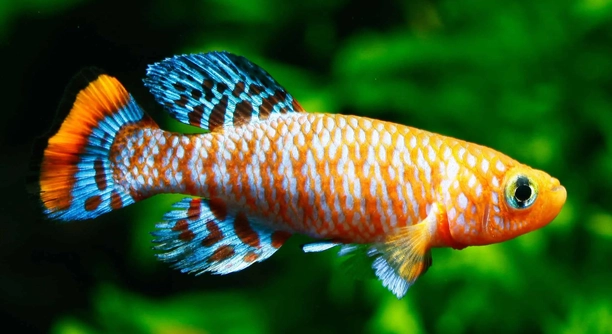
Breeding killi fish can be a rewarding hobby, but it often comes with unexpected challenges. Many enthusiasts face difficulties that hinder their success. Recognizing common pitfalls is essential to improving your breeding efforts.
Several frequent mistakes can severely impact your killi breeding results. These include poor water quality, improper tank setup, incorrect feeding routines, neglecting breeding pairs’ health, inadequate knowledge of species-specific needs, inconsistent temperature control, and failure to monitor breeding behavior closely.
Understanding these key issues can help you refine your approach. Improving your methods will increase the chances of healthy and successful killi fish breeding.
Poor Water Quality and Its Impact
Water quality is a critical factor in killi fish breeding. If the water contains high levels of ammonia, nitrites, or nitrates, it can stress the fish and reduce their ability to breed successfully. Regular testing of water parameters is necessary to keep conditions ideal. Using a good filtration system and performing partial water changes weekly helps maintain a stable environment. Temperature fluctuations or improper pH levels can also cause problems. Killis prefer slightly acidic to neutral water, usually between pH 6.0 and 7.0. If these conditions are not met, the fish may become less active or even stop breeding. Consistency is important for their health and breeding success. Avoid using tap water directly without treating it, as chlorine and chloramine are harmful. Using water conditioners removes these chemicals and makes the water safe for fish. Proper water management creates a supportive environment for killis to thrive.
Maintaining water quality demands attention and routine care. Skipping these tasks often leads to breeding failures.
Taking the time to monitor and adjust water conditions greatly increases the chance of producing healthy offspring. Regular water checks prevent stress and disease, which can severely impact breeding outcomes. Keeping parameters stable supports natural behaviors and promotes spawning. Using test kits, conditioners, and filters makes this manageable, even for beginners. Remember, water is the foundation of your breeding setup.
Tank Setup Mistakes to Avoid
Incorrect tank size or decoration choices often affect breeding success. A cramped or poorly structured tank stresses killis.
Many killis need plants or spawning mops for laying eggs. Providing hiding spots and reducing aggressive interactions also improves breeding chances. Selecting the right substrate and ensuring gentle water flow helps create a comfortable environment. Overcrowding is another common problem; too many fish lead to stress and reduced fertility. Keeping a proper male-to-female ratio ensures healthier breeding pairs. Lighting should mimic natural cycles, as irregular light can disrupt breeding behavior. Observing your fish’s reactions to tank conditions allows timely adjustments that promote successful spawning.
Proper tank setup supports natural breeding behaviors, encouraging fish to reproduce and raise fry in safety.
Feeding Errors and Their Effects
Feeding the wrong diet or overfeeding can harm your killi breeding efforts. Killis require a varied diet rich in live or frozen foods like daphnia, brine shrimp, and bloodworms to stay healthy and ready to breed.
A poor diet weakens fish and reduces fertility. Overfeeding leads to water pollution, causing harmful spikes in ammonia and nitrites. Uneaten food decomposes quickly, affecting water quality and stressing fish. Feeding a balanced diet helps maintain vibrant colors, strong immune systems, and reproductive readiness. Rotate foods to provide essential nutrients and keep killis interested in eating. Avoid flakes or pellets alone as they do not provide enough nutrition for breeding pairs. A controlled feeding schedule prevents waste buildup and supports water stability.
Proper feeding is key to maintaining healthy breeding pairs. Adjust portions according to fish size and observe their condition regularly. Healthy fish have higher chances of spawning successfully, leading to more fry.
Ignoring Breeding Pair Health
Neglecting the health of breeding pairs directly reduces breeding success. Sick or stressed fish rarely produce viable eggs or fry.
Regular health checks are essential. Look for signs of illness such as lethargy, discoloration, or unusual behavior. Quarantine new fish before adding them to the breeding tank to avoid disease transmission. Stress from poor water or tank conditions weakens the immune system. Treat infections promptly and isolate affected fish when necessary. Healthy fish are more likely to engage in mating behaviors and produce strong offspring. Providing proper nutrition and a clean environment supports overall well-being. Breeding pairs should be monitored closely to catch health issues early.
Maintaining the health of breeding pairs ensures they are physically capable of reproduction. It also increases survival rates of eggs and fry, improving overall breeding outcomes.
Inconsistent Temperature Control
Killis are sensitive to temperature changes. Sudden fluctuations can stress them and halt breeding activities. Maintaining a stable temperature between 22°C and 26°C is essential.
Using a reliable heater and thermometer helps keep conditions steady. Avoid placing tanks near drafts or heat sources that cause shifts.
Lack of Monitoring Breeding Behavior
Observing your killis regularly allows you to notice early signs of spawning readiness or problems. Watching their interactions can help you intervene if aggression or stress occurs.
Tracking egg laying and fry development helps ensure timely care and adjustments. Without this, issues may go unnoticed, reducing breeding success.
Failure to Understand Species-Specific Needs
Each killi species has unique requirements for breeding. Some need seasonal changes like lowered temperatures or altered light cycles to trigger spawning. Others prefer particular types of spawning sites or water conditions. Researching and meeting these needs is crucial.
Ignoring these differences can prevent successful breeding, as generic care may not suit all species. Adapting your setup and routine according to species specifics supports natural breeding behaviors and improves outcomes.
Overcrowding
Too many fish in one tank cause stress, aggression, and poor water quality. Keeping fewer breeding pairs helps maintain balance and reduces conflict.
FAQ
What is the best water temperature for breeding killi fish?
The ideal water temperature for most killi species ranges between 22°C and 26°C. Keeping the temperature stable within this range supports natural breeding behavior. Sudden changes can stress the fish and stop spawning. Using a reliable heater and thermometer will help maintain consistent conditions.
How often should I change the water during breeding?
Performing small water changes of about 20-30% once a week is usually sufficient. Frequent water changes help keep ammonia and nitrate levels low, which is vital for the health of breeding pairs and their eggs. Avoid large water changes that cause big fluctuations in water parameters.
Can I breed different killi species together?
It is generally not recommended to mix different species in the same breeding tank. Each species has unique environmental needs and breeding behaviors. Mixing species can cause stress and reduce breeding success. Keeping pairs or groups of the same species ensures better results.
What should I feed my killi fish to improve breeding?
A diet rich in live or frozen foods like daphnia, brine shrimp, and bloodworms is best. These foods provide essential nutrients and stimulate breeding readiness. Avoid relying only on flakes or pellets, as they lack necessary nutrition for spawning.
How do I know when my killi fish are ready to spawn?
Signs include increased activity, males displaying brighter colors, and females showing a fuller belly. You might notice the pair interacting more frequently or males preparing spawning sites. Regular observation helps catch these signs early.
What is the best tank setup for breeding killis?
A tank with plenty of plants, spawning mops, or small hiding spots works well. A gentle water flow and proper male-to-female ratio reduce stress. Avoid overcrowding, as it leads to aggression and poor water quality.
How do I care for killi fry after hatching?
Remove adults if they may eat the fry. Feed the fry with infusoria or finely crushed foods initially, then gradually introduce baby brine shrimp or microworms. Keep water clean and monitor the tank closely for the first few weeks.
Why are my killi eggs not hatching?
Possible reasons include poor water quality, incorrect temperature, or fungal infections. Eggs need stable conditions and clean water to develop. Removing unfertilized or infected eggs can improve survival rates.
Is it necessary to quarantine new fish before breeding?
Yes. Quarantine helps prevent introducing diseases to the breeding tank. Keep new fish isolated for at least two weeks while observing for any signs of illness. This protects your established breeding pairs.
How can I reduce aggression during breeding?
Providing ample hiding places and keeping the right male-to-female ratio helps. Avoid overcrowding and monitor interactions. If aggression is severe, separating the fish temporarily may be necessary.
These answers address the most common issues that affect killi breeding. Following these guidelines can improve your chances of success and keep your fish healthy throughout the process.
Final Thoughts
Breeding killi fish requires careful attention to detail and consistent care. Success depends on managing several factors, such as water quality, tank setup, feeding, and fish health. Neglecting any one of these can cause problems and reduce the chances of breeding. It is important to keep the environment stable and clean, as killis are sensitive to changes. Regular monitoring and maintenance help create the best conditions for breeding. Patience is also necessary because breeding can take time and may not always go as planned.
Understanding the specific needs of your killi species is essential. Each species has different requirements for water parameters, temperature, and breeding behaviors. Researching these details before starting helps avoid mistakes and increases the likelihood of success. Providing the right diet and avoiding overcrowding are simple but effective ways to improve breeding outcomes. Watching your fish regularly allows you to catch early signs of stress, illness, or readiness to spawn. Taking timely action based on these observations can prevent problems and support healthy reproduction.
Consistency and attention to detail make the biggest difference in killi breeding. It is important to create a stable, comfortable environment and meet the fish’s needs. When done correctly, breeding killis can be rewarding and lead to healthy offspring. Learning from mistakes is part of the process, and each attempt teaches more about what your fish require. Staying observant, providing good care, and adapting your methods when needed will help you succeed over time. With steady effort, you can enjoy the satisfaction of watching your killis thrive and multiply.

Hello,
If you enjoy the content that we create, please consider saying a "Thank You!" by leaving a tip.
Every little bit helps us continue crafting quality advice that supports the health, happiness, and well-being of pets around the world, for pets of all shapes, sizes, and species.
We really appreciate the kindness and support that you show us!