
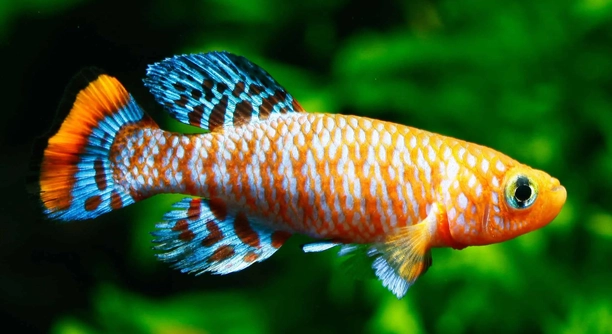
Do your killifish often seem aggressive, leaving you puzzled about their behavior in what should be a calm aquarium environment?
Killifish are naturally territorial and often exhibit aggressive behavior, especially when kept in limited space or when competing for food, mates, or shelter. This behavior is more common among males and during breeding seasons.
Understanding the reasons behind this aggression can help you create a more peaceful tank and improve your killis’ overall well-being.
Understanding Killifish Behavior
Killifish are known for their bright colors and active nature, but their behavior can sometimes catch new keepers off guard. Many types of killis, especially males, can be highly territorial. This means they may chase or nip at others they see as rivals. In smaller tanks, this behavior becomes more noticeable because there’s limited space for each fish to claim as its own. Breeding is another trigger—males may become more aggressive as they compete for a mate. Some species are simply more aggressive by nature. Mixing different types of killifish, or keeping too many males together, often increases tension. Even small things like tank layout and lighting can influence how your fish act. It’s important to understand their natural instincts and provide an environment that helps limit stress and conflict. Watching closely and learning their patterns will help you spot problems early and adjust as needed.
Aggression isn’t always harmful, but it becomes a problem when it leads to injury or stress. Recognizing early signs is important.
Choosing compatible species and planning your tank layout with care can make a big difference. Killifish thrive in well-structured spaces with hiding spots, visual barriers, and plenty of room to avoid each other when needed.
Setting Up the Right Environment
Killifish need space and structure. Tanks that are too small or bare often lead to tension and chasing.
A good setup can reduce stress and fighting in killifish. Start by giving them enough space—at least 10 gallons for a small group, with more room for larger or more aggressive types. Include plenty of plants, rocks, and decorations to create hiding spots and break up lines of sight. This helps reduce direct confrontation and gives weaker fish a place to retreat. Floating plants are especially useful because they offer cover from above and help make the tank feel more secure. Lighting should be soft and natural if possible. Avoid bright or harsh lighting, as it can stress the fish and increase aggression. Keep males to a minimum if they’re known to be territorial, and consider keeping them in species-only tanks to avoid added conflict. Finally, feed them well and consistently—hunger and irregular feeding can also make fish more irritable.
Managing Aggression in the Tank
Aggression can often be managed by adjusting the tank environment and social setup. Small changes, like adding more plants or separating certain fish, can lower tension and help your killifish feel safer in their space.
If one fish is showing repeated aggression, consider moving it to a separate tank. You can also rearrange the tank decorations to reset territories and reduce dominance. Using tank dividers is another option, especially if aggression is leading to injuries. Avoid overcrowding, and try to keep only one male per tank if possible, depending on the species. Observing feeding times is also important—spread food around the tank to reduce competition. Lastly, be patient. Some aggression may lessen over time as the fish settle into a routine. Watch for signs of stress, such as hiding, torn fins, or lack of appetite. These signs mean it’s time to adjust your setup again.
Sometimes, adding more fish can actually help. A larger group of fish spreads out the aggression and keeps one individual from being constantly targeted. This works best with enough space and hiding spots. It’s also important to keep a consistent light cycle and avoid sudden changes in water parameters. Stable conditions reduce stress and help fish behave more calmly. If aggression continues despite your efforts, research your specific killifish species. Some types simply aren’t suited for community tanks or mixed groups. You may need to house certain individuals separately long-term. Keeping a close eye on behavior and being ready to make small changes can help keep the tank peaceful and your fish healthy.
Choosing Tank Mates Wisely
Not all fish make good tank mates for killifish. Avoid slow swimmers or fish with long fins that may become targets. Stick with peaceful, fast-moving fish that can handle themselves without causing stress.
Good tank mates include small tetras, rasboras, or peaceful bottom dwellers like corydoras. Avoid large, aggressive fish or those that need very different water conditions. Matching species that share similar temperature and pH preferences makes it easier to maintain a balanced tank. Keep the group sizes reasonable, and always introduce new fish slowly to monitor how your killis react. It’s also helpful to quarantine new fish before adding them to avoid spreading illness. Some species of killifish are better alone or in species-only tanks, especially the more territorial types. Researching the temperament of both your killifish and potential tank mates helps you avoid stress, injuries, and unnecessary conflict. Compatibility is key to a peaceful setup.
Recognizing Signs of Stress
Stress in killifish often shows up as hiding, rapid breathing, or sudden color loss. You might also notice torn fins or skittish swimming patterns. These signs usually mean the fish feels unsafe or threatened in its current environment.
Changes in eating habits can also be a clue. If your killifish stops eating or only eats very little, it might be dealing with stress from aggression, poor water conditions, or sudden changes in lighting or tank setup. Watch for consistent patterns to catch issues early.
When Separation Is the Best Option
If you’ve tried adjusting tank conditions and aggression still continues, separating your killifish may be the best solution. Move the aggressive fish to a different tank or use a divider to create space within the current tank. This can prevent injuries and lower stress for all your fish. Some species simply don’t do well with others, especially males. Long-term separation isn’t a failure—it’s often the safest way to protect the health and well-being of each fish. Keep both setups comfortable and consistent to avoid adding more stress during the change. Pay attention after separation to see if behavior improves.
Keeping a Watchful Eye
Regularly observing your tank can help you catch behavior changes early and act before problems get worse.
FAQ
Why are my killifish constantly fighting even though the tank is big?
Even in a large tank, killifish may fight because of natural territorial instincts. Some species are more aggressive by nature, especially males. If there aren’t enough hiding spots or visual barriers, fish can still feel threatened and compete for space. Breeding season can increase aggression regardless of tank size. It’s important to create an environment with plenty of plants, decorations, and places to hide so fish can avoid each other when needed.
Can I keep multiple male killifish together?
Keeping multiple males together often leads to fighting, especially if the tank is small or lacks hiding spots. Males tend to be territorial and may compete aggressively over mates or territory. If you want to keep several males, provide a very large tank with many hiding spaces or consider species that are less aggressive. Sometimes, it’s better to keep only one male per tank or use dividers.
Does diet affect aggression in killifish?
Yes, diet can play a role. Hungry fish are more likely to compete aggressively for food. Feeding small amounts more frequently helps reduce food competition. A balanced diet with high-quality flakes, frozen or live foods can also keep killifish healthy and calmer. Avoid overfeeding, though, as poor water quality from uneaten food can stress fish and increase aggression.
How do I tell if aggression is serious or normal?
Some chasing and minor nipping are normal killifish behaviors, especially among males. Serious aggression shows through repeated attacks that cause visible injury like torn fins or wounds. Stressed or injured fish may hide constantly or lose color. If fighting leads to injury or persistent stress, it’s a sign you need to intervene by changing the tank setup or separating fish.
What is the best way to reduce fighting when introducing new killifish?
Introduce new killifish slowly and carefully. Quarantine new fish before adding them to the main tank to avoid disease. Rearrange decorations before adding new fish to break up established territories. Adding several new fish at once can spread aggression evenly rather than focusing it on one newcomer. Watch interactions closely during the first few days and be ready to separate fish if needed.
Can lighting affect killifish behavior?
Yes, bright or harsh lighting can stress killifish and increase aggressive behavior. Killifish prefer softer, dimmer lighting that mimics their natural environment. Using floating plants or dimmable lights can help create a calmer atmosphere. Sudden changes in light intensity can also trigger stress, so maintain a consistent day-night cycle.
Are killifish better in species-only tanks?
Some species of killifish do best in species-only tanks because they can be very territorial or aggressive. Mixing killifish with other fish can lead to stress or injury for all involved. If you want to keep a peaceful community, choose compatible species carefully and monitor interactions. Species-only tanks simplify care and reduce conflict for many killifish.
How often should I monitor my killifish for signs of aggression?
Regular daily observation is best. Even short, frequent checks help you spot early signs of stress or fighting. Look for changes in behavior, such as hiding, chasing, or damaged fins. The sooner you catch problems, the easier they are to fix by adjusting tank conditions or separating fish.
Can water quality impact killifish aggression?
Poor water quality stresses fish and can increase aggression. Keep water clean by doing regular partial water changes and monitoring parameters like ammonia, nitrite, nitrate, and pH. Stable water conditions help reduce stress, which lowers aggressive behavior. Well-maintained tanks promote calm and healthy killifish.
What is the role of tank decorations in preventing fights?
Tank decorations break up the line of sight between fish, reducing territorial disputes. Plants, rocks, and driftwood create hiding places where fish can escape aggressive encounters. A well-decorated tank helps establish multiple territories and keeps fish from feeling constantly threatened. Rearranging decorations occasionally can reset territories and lower ongoing aggression.
Is it normal for killifish to chase each other during breeding?
Yes, chasing is common during breeding as males compete for females. This behavior can seem intense but usually calms down after spawning. If chasing becomes harmful or constant outside breeding times, adjustments to the tank or separation may be necessary.
How can I tell if a fish needs to be separated immediately?
If you see deep wounds, severe fin damage, or a fish hiding constantly without eating, separate it right away. Signs of severe stress include rapid breathing, lethargy, or color fading. Acting quickly can prevent infection and give injured fish a chance to heal safely.
Are some killifish species less aggressive than others?
Yes, aggression varies between species. Some killifish are naturally more peaceful and tolerate tank mates better, while others are highly territorial. Researching the species you keep helps set expectations and plan for their behavior.
What else can I do to keep my killifish happy and reduce fighting?
Keep water temperature and pH stable, feed a balanced diet, provide hiding spots, and avoid overcrowding. Regular observation and timely adjustments help maintain peace. If problems persist, consult species-specific care guides or consider separate tanks.
Understanding why killifish fight is an important step in keeping them healthy and happy. These fish naturally show territorial behavior, especially males, and during breeding times. Fighting can be stressful for the fish and may lead to injuries if not managed well. Providing the right environment, including enough space, hiding spots, and a proper social setup, helps reduce tension and aggressive behavior. Recognizing early signs of stress and aggression allows for quick action, which can prevent bigger problems in the tank.
Setting up your tank thoughtfully is key to peaceful killifish. A larger tank with plenty of plants, decorations, and places to hide will make your fish feel safer and less likely to fight. Avoid overcrowding and try to keep males separated if the species is known for aggression. Feeding your fish regularly and offering a balanced diet also helps, as hunger can increase competition and tension. Sometimes, even small changes, like rearranging decorations or lowering light intensity, can make a big difference in behavior.
Sometimes, despite your best efforts, aggression may continue, and separation of certain fish becomes necessary. This is not a failure but a way to protect all your fish and keep them healthy. Observing your killifish daily will help you understand their behavior better and make adjustments as needed. Overall, with patience and care, you can create a balanced tank where your killifish can thrive peacefully. Understanding their natural instincts and needs makes all the difference in keeping a happy aquarium.

Hello,
If you enjoy the content that we create, please consider saying a "Thank You!" by leaving a tip.
Every little bit helps us continue crafting quality advice that supports the health, happiness, and well-being of pets around the world, for pets of all shapes, sizes, and species.
We really appreciate the kindness and support that you show us!