
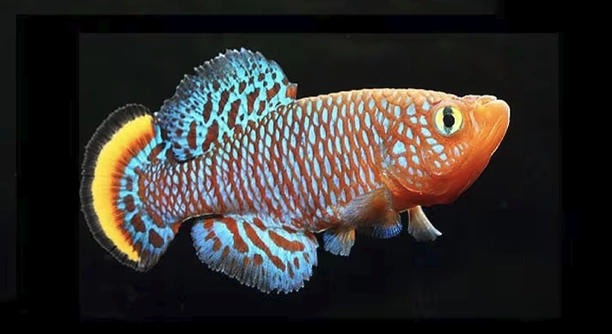
Many fish owners notice that killis sometimes eat their own eggs. This behavior can seem strange or concerning, especially for those new to caring for these colorful fish. Understanding why this happens can help improve their care and breeding success.
Killifish eating their eggs is a natural behavior often linked to environmental stress, poor water conditions, or a lack of suitable hiding places for the eggs. This act reduces competition and increases survival chances for the parents in challenging environments.
Learning about this behavior will help you create better conditions for killis and support healthier breeding outcomes in your aquarium.
Why Killifish Eat Their Eggs
Killifish eating their eggs is mainly driven by instinct and survival needs. In the wild, these fish face many dangers, and sometimes eating eggs helps reduce the number of offspring that might not survive. Stress is a big factor too. If the water conditions are not right, or the tank is overcrowded, killifish may feel threatened and eat their eggs as a reaction. Lack of hiding spots for the eggs also makes them more vulnerable. Without places to protect their eggs, the parents might eat them to avoid wasting energy on offspring unlikely to survive. This behavior can seem harsh, but it is part of how killifish adapt to their environment.
Understanding these reasons can help you take steps to prevent egg-eating in your tank.
Providing a calm, clean tank with enough space and hiding spots will greatly reduce egg-eating behavior.
By improving the environment, you can help killifish feel secure enough to care for their eggs, increasing the chances of successful hatching.
How to Prevent Egg Eating in Killifish
Creating the right environment is key to stopping killifish from eating their eggs. Clean water, stable temperatures, and plenty of plants or spawning mops give eggs a safe place to develop. Separating the adults from the eggs soon after spawning can also help protect the eggs.
Separating eggs from adults can increase survival rates and reduce stress for both fish and eggs.
Providing adequate hiding spaces like dense plants or spawning mops mimics natural conditions and encourages better egg care. Keeping water clean and stable lowers stress, reducing the chance of egg eating. Observing your killifish during spawning allows you to remove adults if they show signs of aggression. These simple steps create a healthier environment where killifish are more likely to protect their eggs. Consistent care and attention will help you see more fry and enjoy successful breeding in your aquarium.
Signs That Killifish Are Eating Their Eggs
Egg-eating killifish often show increased activity around the spawning area. You may notice fewer eggs than expected after spawning. The adults might pick at the substrate or plants where eggs are laid.
This behavior is a clear sign that the eggs are being consumed. Killifish may become restless or aggressive after laying eggs, especially if they feel stressed or threatened. Watching the tank closely during and after spawning can help identify if egg-eating is happening. Removing adults or adjusting tank conditions early can protect the eggs and improve survival rates.
Recognizing these signs quickly is important for managing breeding success. Timely intervention allows you to provide a safer environment for the eggs to hatch and grow.
Feeding Killifish to Reduce Egg Eating
Providing a balanced diet rich in protein helps reduce egg-eating behavior. Well-fed killifish are less likely to see their eggs as a food source.
Feed your killifish a variety of live or frozen foods such as brine shrimp, daphnia, or bloodworms. Feeding small amounts multiple times a day keeps them satisfied and reduces stress. A proper diet improves overall health and encourages better parenting behaviors. When killifish receive enough nutrition, they focus on protecting their eggs rather than eating them. Consistent feeding routines also create a calm environment, which is key for successful breeding. Monitoring their diet closely can make a big difference in reducing egg-eating tendencies.
When Is Egg Eating Most Common?
Egg eating usually happens right after the eggs are laid. During this time, the eggs are fresh and easy to reach. Parents may eat eggs if they feel the environment is unsafe or crowded.
This behavior is more frequent in stressed or inexperienced killifish. Providing a calm space can help reduce this tendency.
Best Tank Setup to Protect Eggs
A tank with plenty of plants, spawning mops, and hiding places offers eggs a better chance to survive. Soft lighting and stable water conditions also help killifish feel secure. Avoid overcrowding and keep water clean to reduce stress, which lowers the chance of egg eating. Using breeding tanks or separating adults after spawning are effective methods to protect eggs.
Handling Killifish After Spawning
Separating adults from eggs immediately after spawning prevents egg eating. This simple step increases egg survival and reduces stress on the parents.
What causes killifish to eat their eggs?
Killifish eat their eggs mostly because of stress, poor water quality, or a lack of hiding places for the eggs. When conditions feel unsafe or crowded, the parents may eat the eggs to reduce the number of offspring they have to care for. This behavior can also happen if the killifish are inexperienced or if the eggs are weak or damaged. It is a natural survival instinct in the wild to improve the chance that at least some offspring survive under tough conditions.
Is egg eating harmful to the killifish population?
In a natural setting, egg eating helps control population size and resource use. However, in an aquarium, it can reduce the number of fry you get from breeding. If eggs are eaten regularly, it makes breeding less successful. By improving tank conditions and reducing stress, you can lower the chances of egg eating and help maintain a healthy killifish population in captivity.
How can I tell if killifish are eating their eggs?
If you notice fewer eggs than expected or the eggs disappear quickly after spawning, killifish might be eating them. Adults may also become more active or restless near the spawning site. Watching the tank closely after spawning is the best way to catch this behavior early. Signs like picking at the substrate or chasing around eggs can also indicate egg eating.
What tank conditions help prevent egg eating?
Stable water temperature, clean water, and low stress levels are important. A tank with plenty of plants, moss, or spawning mops provides safe spots for eggs to hide. Avoid overcrowding, which can increase aggression and stress. Keeping a calm environment encourages parents to protect their eggs instead of eating them.
Should I separate killifish from their eggs?
Separating adults from eggs right after spawning is often the best way to ensure the eggs survive. This prevents the parents from eating the eggs and gives the fry a better chance to hatch. You can transfer the eggs to a separate breeding tank or carefully remove the adults for a few days.
What do I feed killifish to reduce egg eating?
A diet rich in protein helps keep killifish healthy and less likely to eat their eggs. Live or frozen foods like brine shrimp, daphnia, and bloodworms work well. Feeding small amounts multiple times a day keeps them satisfied. A proper diet lowers stress and improves breeding behavior.
Can stress cause killifish to eat eggs?
Yes, stress is a major factor. Changes in water quality, loud noises, overcrowding, or frequent tank disturbances can stress killifish. When stressed, they may eat eggs as a way to cope. Keeping the tank environment stable and calm helps reduce stress and egg eating.
Do all killifish eat their eggs?
Not all killifish eat their eggs, but it is common behavior in many species. Some killifish are better parents and protect their eggs, while others may eat them under certain conditions. Factors like tank setup, stress, and diet play a big role in whether egg eating occurs.
How long does it take for killifish eggs to hatch?
Killifish eggs usually hatch within 10 to 14 days, depending on the species and water temperature. Warmer temperatures often speed up hatching. During this time, protecting the eggs from being eaten or damaged is crucial for healthy fry development.
Can I use breeding mops to protect eggs?
Yes, breeding mops are very helpful. They provide a soft place for eggs to stick and hide from the parents. You can remove the mop with eggs and place it in a separate tank until the eggs hatch. This reduces the risk of egg eating and helps keep the eggs safe.
What should I do if killifish keep eating eggs despite precautions?
If egg eating continues, try improving tank conditions further by reducing stress and increasing hiding places. Separating adults from eggs immediately after spawning is a reliable solution. You might also consider breeding in a separate tank where you can control all factors more closely. Patience and observation are key to finding what works best for your fish.
Killifish eating their eggs is a behavior that many fish keepers notice, especially when trying to breed these colorful fish. While it can seem worrying at first, this action is often a natural response to the environment and the fish’s instincts. Killifish may eat their eggs when they feel stressed, the water conditions are not ideal, or there are not enough hiding places for the eggs. Understanding these reasons helps in creating a better tank environment, which can reduce this behavior and improve the chances of eggs surviving and hatching.
To help prevent killifish from eating their eggs, it is important to focus on the tank setup and care. Providing plenty of plants, spawning mops, or other hiding spots makes eggs less exposed and safer. Keeping the water clean and stable lowers stress for the fish, making them more likely to protect their eggs. Feeding killifish a nutritious diet with enough protein also plays a big role. Well-fed fish are less likely to see their eggs as food. Sometimes, separating the adults from the eggs right after spawning is necessary to keep the eggs safe until they hatch.
Breeding killifish can be rewarding but requires attention to detail and patience. Watching the fish carefully and making changes to reduce stress and improve conditions will help. Even with the best care, some killifish may still eat their eggs, as it is part of their natural behavior. However, by understanding why this happens and taking steps to support the fish, you can increase the chances of successful breeding and enjoy seeing healthy fry grow in your aquarium.

Hello,
If you enjoy the content that we create, please consider saying a "Thank You!" by leaving a tip.
Every little bit helps us continue crafting quality advice that supports the health, happiness, and well-being of pets around the world, for pets of all shapes, sizes, and species.
We really appreciate the kindness and support that you show us!