
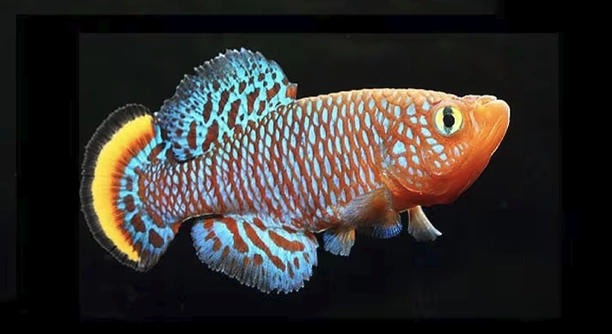
Do you ever find yourself startled when your killifish suddenly jump at the slightest noise near their tank?
Killifish often jump at sudden sounds due to their heightened sensitivity to vibrations and movement in their environment. This natural reaction is part of a survival instinct that helps them avoid potential predators in the wild.
Understanding this behavior can help you create a safer, calmer environment that keeps your fish healthy and reduces unnecessary stress.
Why Killifish React So Strongly to Sound
Killifish are naturally alert and reactive fish. In the wild, they often live in shallow waters where predators can approach quickly. Because of this, they’ve developed a strong sensitivity to sudden changes in their environment. Vibrations caused by sounds—especially sharp, quick noises—travel easily through water. Your killis may perceive these sounds as threats and react by jumping. This is not a sign of poor health, but rather a survival response that has helped them stay safe in the wild. Loud talking, dropping items near the tank, or even footsteps can trigger this jumpy behavior. While this sensitivity is normal, it can become stressful if frequent.
Try to keep the area around their tank quiet and free of sudden movements.
These fish don’t need silence, but they do appreciate a stable and calm environment. Being mindful of loud sounds near their tank can reduce their jumping and help them feel more secure.
How to Make Their Tank Feel Safer
Start by checking the tank placement. A busy room or an area with a lot of foot traffic might make your killifish more reactive.
Choose a quiet corner of your home where noise and movement are limited. Add a lid to the tank if it doesn’t have one already—this keeps your killis safe if they jump. Floating plants or low light can help them feel secure, offering cover and reducing stress. It’s also helpful to keep tank maintenance routines consistent. Sudden water changes, rearranged décor, or new tank mates can all unsettle your fish. Use soft lighting and avoid tapping on the glass. If children are around, explain why being gentle near the tank matters. Feeding should also be done calmly. If your killifish expect food whenever you approach, they might jump from excitement or confusion. A peaceful tank setup goes a long way in helping these active fish feel relaxed and protected.
Signs Your Killifish May Be Stressed
Stress in killifish often shows through erratic swimming, frequent hiding, or loss of color. They may also stop eating or become unusually aggressive toward tank mates. These behaviors can suggest they feel unsafe or overwhelmed.
If you notice your killifish darting around the tank or hiding more than usual, it may be reacting to stress. Sometimes they lie still near the bottom or corner of the tank, avoiding movement altogether. This is different from their usual resting behavior and may signal discomfort. Changes in water quality, noise, and tank layout can all lead to stress. Pay attention to how they react during feeding time or when you clean the tank. If they remain distant or show little interest in food, it’s worth reviewing their environment.
Killifish also express stress through changes in appearance. Their colors might fade, and their fins may stay clamped down instead of fanned out. This physical response helps them avoid attention in the wild, but it’s also a sign they’re not at ease. Keeping a regular routine, monitoring water parameters, and reducing tank noise can all help prevent this. Stress in fish isn’t always obvious right away, so observing small changes can help you catch problems early.
Why Sudden Sounds Trigger a Jump
Killifish are sensitive to vibrations in water, which is how they detect nearby threats. A loud sound near the tank creates sudden pressure changes in the water, which they interpret as danger. Their quick reaction is meant to help them escape.
In their natural habitat, killifish often live in shallow streams or temporary pools. These environments don’t offer much cover from predators. Over time, they’ve developed an instinct to jump at the first sign of movement or sound. In captivity, this instinct remains strong, even without real threats. Everyday household noises like a dropped object or closing door can feel intense from their perspective. The way sound travels through water makes it even more startling. This is why even a sudden voice or vibration from music can cause a quick, panicked reaction. While you can’t remove all sounds, reducing sharp, unexpected noise near their tank helps them feel safer.
How Light and Movement Affect Them
Bright lighting can make killifish more alert and reactive. Sudden changes in light, like flipping a switch on or off, may startle them and trigger jumping. A more natural, gradual light setup helps reduce this behavior.
Quick movements near the tank, such as walking past or waving hands, can also cause a startled jump. Killifish react to any motion that seems sudden or unpredictable, even if it’s harmless.
Creating a More Peaceful Environment
Use a tank cover to prevent injury from jumping. Keep the tank in a calm area with stable lighting, low foot traffic, and minimal noise. Adding floating plants or decorations creates shelter and security, which helps reduce stress. Regular maintenance and stable water quality also contribute to a more peaceful environment overall.
When to Be Concerned
If jumping happens often or is paired with signs like weight loss or discoloration, it may be more than just sound sensitivity.
FAQ
Why do my killifish jump even when there’s no loud noise?
Killifish have a natural tendency to be jumpy because they are prey animals. Even small vibrations or movements, like tapping on the glass or sudden changes in light, can trigger their reflex to jump. Sometimes, the tank environment itself may cause stress, making them more reactive overall.
Can jumping harm my killifish?
Yes, frequent jumping can lead to injuries if your killifish hits the tank lid, walls, or other objects. It can also cause stress, which weakens their immune system. To prevent harm, make sure your tank has a secure lid and a calm environment to reduce sudden stimuli.
Is it normal for killifish to jump at feeding time?
Yes, this can happen. Killifish sometimes associate the approach of a person with food, causing excitement. This excitement can make them jump more often. Feeding calmly and gently can help reduce their reaction over time.
How can I reduce my killifish’s jumping behavior?
Reducing loud or sudden noises near the tank is the first step. Use soft lighting, place the tank away from busy areas, and add plants or decorations that provide hiding spots. Regularly monitor water quality and keep a consistent tank routine to lower stress.
Do different species of killifish jump more than others?
Yes, some species are naturally more active or sensitive. Killifish from fast-moving or shallow waters tend to be more jumpy as a survival trait. Understanding the specific needs of your killifish species can help you manage their behavior better.
Can stress cause killifish to jump more often?
Absolutely. Stress is a major factor in their jumping behavior. Changes in water parameters, poor water quality, overcrowding, or aggressive tank mates can all increase stress levels, making your killifish more prone to jumping.
Is it safe to keep killifish with other fish if they jump a lot?
It depends. Some tank mates may stress killifish further, causing more jumping. Peaceful and similarly sized fish are best to avoid aggression. Always watch interactions closely and be ready to separate fish if needed.
What water conditions help keep killifish calm?
Stable water temperature and clean water with appropriate pH and hardness levels are important. Sudden changes or poor water quality increase stress and jumping. Regular testing and partial water changes help maintain a stable environment.
Should I worry if my killifish jump at night?
If the tank is completely dark, jumpy behavior at night is less common but not impossible. Lights turning on suddenly or nearby vibrations can startle them. Ensuring a quiet and stable night environment reduces nighttime jumping.
Can tank decorations prevent killifish from jumping?
Decorations and plants provide hiding places, which help killifish feel secure. Feeling safe reduces the urge to jump. Floating plants especially soften the impact of light changes and provide natural cover, helping to calm your fish.
How often should I check for signs of stress in my killifish?
Regular observation is key. Check daily for changes in behavior, appearance, and appetite. Early signs of stress like dull colors or hiding often can help you address problems before they worsen.
Do killifish jump more when new to a tank?
Yes, new environments can be stressful. It may take days or weeks for killifish to settle. Keeping a stable, quiet environment during this period helps them adjust faster and reduces jumping.
Is tank size important to reduce jumping?
While tank size alone doesn’t stop jumping, providing enough space to swim and hide makes killifish feel more comfortable. Overcrowding can increase stress and jumping, so a properly sized tank is beneficial.
Are there special tank lids recommended for killifish?
A tight-fitting lid with no gaps is important to prevent escapes. Some keepers use fine mesh lids to allow airflow while keeping fish safely inside. Avoid lids with large gaps or weak fittings to protect your killifish.
Can I train my killifish to stop jumping?
Killifish can become less jumpy over time with a calm environment and consistent care, but their natural instincts won’t fully disappear. Patience and steady conditions help reduce the frequency, but jumping will always be part of their behavior.
Killifish are naturally sensitive and alert creatures, which explains why they jump at sudden sounds or movements. This behavior is part of their survival instinct, helping them respond quickly to potential dangers in the wild. While it can be surprising or even frustrating to see your fish jump unexpectedly, understanding why they do it helps to create a better environment for them. By providing calm surroundings, stable water conditions, and hiding places, you can reduce their stress and make them feel safer in their tank.
It is important to remember that killifish rely on their senses to protect themselves. Sudden noises, bright lights, or quick movements can startle them easily because these signals suggest the presence of predators. Since killifish come from shallow and often exposed habitats, jumping is a natural reaction to avoid threats. While you cannot completely remove their instinct, you can manage the environment to lower the chances of startling them. Using a tank lid, placing the tank in a quiet room, and adding plants or decorations help provide security. Keeping a regular feeding and cleaning schedule also supports their well-being and reduces unnecessary stress.
Watching your killifish closely helps you notice any changes in their behavior or health. If jumping becomes frequent or is accompanied by signs like fading colors or loss of appetite, it might mean they are stressed or unwell. In such cases, checking water quality and tank conditions is essential. Taking small steps to reduce disturbances around the tank can make a big difference. With time, patience, and care, your killifish will adjust and feel more comfortable in their home, allowing you to enjoy their unique and lively personalities without worry.

Hello,
If you enjoy the content that we create, please consider saying a "Thank You!" by leaving a tip.
Every little bit helps us continue crafting quality advice that supports the health, happiness, and well-being of pets around the world, for pets of all shapes, sizes, and species.
We really appreciate the kindness and support that you show us!