
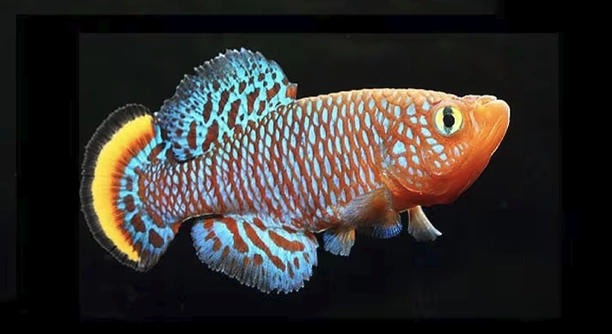
Killis are small, colorful fish often kept in home aquariums. They sometimes swim in circles, which can catch the attention of fishkeepers. This behavior may seem unusual but is quite common among these active swimmers.
Killis swim in circles primarily as a natural behavior linked to territory marking, mating rituals, or exploring their environment. Circular swimming can help them establish dominance or attract mates, serving important roles in their social and reproductive habits.
Understanding why killis swim this way can help improve their care and environment. Knowing the reasons behind their behavior supports healthier, happier fish in your aquarium.
Reasons Killis Swim in Circles
Killis swimming in circles is often tied to their natural instincts. One common reason is territorial behavior. These fish are known to be quite protective of their space. Circling can be a way to patrol and defend their area from intruders. Another reason is courtship. Male killis may swim in circular patterns to attract females during mating season. It shows strength and fitness. Additionally, circling can help killis explore their surroundings, especially in new or changing environments. This behavior can also indicate that the fish is healthy and active. Observing these patterns helps you understand their needs better. If the circling becomes frantic or repetitive without variation, it may suggest stress or an unsuitable tank setup. Watching closely can provide important clues about their well-being.
Killis swim in circles for territorial defense, mating displays, and environmental exploration. This behavior reflects their active and social nature.
Recognizing these behaviors can guide you in creating a supportive habitat. Providing enough space and hiding spots reduces stress and territorial disputes. Proper tank mates minimize conflicts. Ensuring water conditions are stable encourages natural behavior. Paying attention to circling patterns helps identify when something might be wrong. If a killis suddenly stops swimming or shows other signs of illness, prompt action is needed. Regular observation keeps your fish happy and thriving. Adjusting the environment according to their behaviors promotes a peaceful aquarium where killis can flourish.
How to Respond to Circling Behavior
When you notice your killis swimming in circles, it is important to observe the context. Is the circling calm or frantic? Are there other signs of stress? Circling that is steady and smooth usually means normal behavior. However, frantic or repetitive circling can indicate issues.
If circling seems excessive, check your tank setup. Killis need enough room to swim freely and places to hide. Overcrowding or poor water quality can cause stress. Make sure the water temperature and parameters suit killis species. Avoid aggressive tank mates that might trigger defensive behaviors. Providing a balanced diet supports their health and energy levels. Sometimes, adding plants or decorations creates a more comfortable space, reducing the need to patrol aggressively. Monitoring behavior regularly helps you spot problems early. Adjusting the environment and care routine based on your observations ensures your killis remain content and active for longer.
Signs That Circling May Indicate Stress
Circling can sometimes signal stress in killis, especially when it is continuous and frantic. Stress can arise from poor water quality, overcrowding, or aggressive tank mates.
Stress affects killis’ health and behavior significantly. When they feel threatened or uncomfortable, their circling may become more intense and less purposeful. This can lead to exhaustion and weakened immune response. Environmental factors like sudden temperature changes or improper pH levels often contribute to this behavior. Observing other symptoms such as loss of appetite, faded colors, or hiding helps confirm stress. Early detection is key to preventing long-term harm and improving their living conditions.
Addressing stress involves improving tank conditions and reducing threats. Increasing hiding places and maintaining clean water can help killis feel safer. Avoiding sudden changes and ensuring compatible tank mates also reduces stress. Regular water testing and partial water changes keep parameters stable. Sometimes, isolating a stressed fish temporarily can aid recovery. Creating a calm and stable environment encourages natural behavior and promotes overall health.
Encouraging Healthy Swimming Habits
Promoting healthy swimming starts with providing a spacious tank that allows killis to move freely. A minimum of 10 gallons is recommended for a small group.
The tank setup should mimic their natural habitat with plants, smooth surfaces, and gentle water flow. This reduces stress and supports their active lifestyle. Feeding a varied and nutritious diet improves energy and stamina, encouraging normal swimming patterns. Avoid overfeeding as it can pollute the water and cause health issues. Social interaction is important; keep killis in small groups to promote natural behavior but monitor for aggression. Regular observation helps you adjust care to keep swimming habits healthy and consistent.
Common Misunderstandings About Circling
Not all circling is a sign of a problem. Many people mistake normal behavior for stress or illness. Killis often swim in circles simply because it is part of their natural movement and interaction with their environment.
Observing killis carefully helps distinguish normal circling from problematic behavior. Calm, consistent swimming is usually harmless, while frantic or repetitive circling needs attention. Understanding their behavior prevents unnecessary worry and promotes better care.
When to Consult a Specialist
If circling is paired with other signs like lethargy, loss of appetite, or unusual spots, professional advice is recommended. A veterinarian or experienced aquarist can provide guidance on diagnosis and treatment.
Adjusting Tank Conditions to Improve Behavior
Small changes in water temperature, pH, and tank layout can positively affect killis’ behavior. Regular water testing and careful adjustments help maintain ideal conditions and reduce unwanted circling.
Monitoring Your Killis Over Time
Regular observation is essential. Keeping notes on behavior changes helps identify potential issues early and supports better long-term care.
FAQ
Why do killis swim in circles around the tank?
Killis often swim in circles as a natural way to explore their environment and mark territory. This behavior helps them feel secure and lets them monitor their space. Sometimes, circling is also part of their mating display or social interaction with other fish.
Is circling always a sign of stress or illness?
No, circling is not always a sign of stress or illness. Calm, steady circling is usually normal behavior. However, if the circling is frantic, repetitive, or paired with other symptoms like loss of appetite or discoloration, it could indicate stress, poor water quality, or illness.
How can I tell if my killis are stressed?
Signs of stress in killis include frantic swimming, hiding more than usual, faded colors, loss of appetite, and sluggish movement. If you notice these behaviors along with excessive circling, it’s important to check water parameters and tank conditions immediately.
What tank conditions help reduce stress and unwanted circling?
Maintaining stable water temperature and pH suited for killis is crucial. Providing enough space and hiding spots helps reduce territorial disputes. Avoid overcrowding and aggressive tank mates. Regular water changes and clean filtration keep the environment healthy, which lowers stress levels.
Can diet affect swimming behavior?
Yes, a balanced diet supports healthy energy levels and natural swimming patterns. Feeding killis a mix of high-quality flakes, frozen or live foods keeps them active and reduces stress-related behaviors. Overfeeding or poor diet can lead to lethargy or erratic swimming.
How much space do killis need to swim comfortably?
Killis need enough room to swim freely, usually at least 10 gallons for a small group. More space helps reduce stress and allows natural swimming and circling behaviors without crowding. Providing plants and decorations also creates a comfortable environment.
Is circling behavior different between male and female killis?
Yes, males often swim in more pronounced circles, especially during mating displays, to attract females or defend territory. Females usually swim more calmly but may also circle occasionally when interacting with males or exploring their space.
What should I do if my killis’ circling becomes frantic?
If circling becomes frantic, check the tank for possible causes like poor water quality, temperature fluctuations, or aggressive tank mates. Improve water conditions, reduce stressors, and consider isolating the fish if needed. If behavior doesn’t improve, consult an aquatic specialist.
Can environmental enrichment reduce excessive circling?
Adding plants, caves, and decorations gives killis hiding spots and breaks up their swimming routes. This can reduce excessive circling caused by boredom or territorial stress by providing more places to explore and feel safe.
How often should I monitor my killis’ behavior?
Daily observation is best for noticing changes early. Watching their swimming patterns, appetite, and interactions helps catch potential problems before they worsen. Keeping a simple log of behavior can be very helpful for long-term care.
Do killis swim in circles at night?
Killis usually rest at night, so circling is less common then. If they are active and swimming in circles during nighttime, it may indicate stress or discomfort. Checking tank conditions can help address this unusual behavior.
Can circling behavior be triggered by changes in the tank?
Yes, sudden changes like moving decorations, adding new fish, or altering water conditions can cause killis to swim in circles as they adjust to the new environment. Giving them time and a stable setup reduces stress during these changes.
Is it normal for young killis to swim in circles?
Young killis often swim in circles while exploring and learning their environment. This is part of their natural development and usually decreases as they mature and establish territory or social hierarchies.
What role does water flow play in killis swimming behavior?
Gentle water flow encourages natural swimming patterns and reduces stress. Strong currents may cause killis to circle excessively as they try to maintain position or escape strong flow, so it’s important to provide moderate conditions suited to their needs.
Can circling indicate mating readiness?
Yes, males especially show circling behavior when trying to attract females or during courtship. This is a normal, healthy sign of breeding activity and usually involves vibrant colors and active swimming patterns.
What equipment helps maintain ideal conditions for killis?
Reliable heaters, filters, and water testing kits help keep temperature and water quality stable. Using plants and decorations adds comfort and safety. Proper equipment supports their natural behaviors, including healthy swimming and circling.
When should I seek veterinary help for my killis?
If circling is paired with other signs like physical damage, lethargy, refusal to eat, or visible parasites, it’s time to consult a vet. Early treatment improves chances of recovery and prevents the spread of disease in your tank.
How does tank mate selection affect circling behavior?
Aggressive or overly active tank mates can cause killis to swim in frantic circles out of fear or stress. Choosing peaceful, compatible fish reduces conflict and allows killis to express natural swimming behaviors calmly.
Can lighting affect killis’ swimming patterns?
Proper lighting supports their day-night cycle and reduces stress. Too bright or inconsistent lighting can cause disorientation, leading to unusual swimming such as excessive circling. Adjust lighting to mimic natural conditions for best results.
Are there species differences in circling behavior among killis?
Different killis species may show varying levels of circling. Some are more territorial or active, which increases circling frequency. Knowing the specific needs and behaviors of your species helps interpret their swimming patterns correctly.
This FAQ covers common concerns and helps provide clear answers about killis and their circling behavior, supporting better care and understanding of these lively fish.
Final thoughts on killis swimming in circles highlight how natural and important this behavior is for these fish. Circling serves several purposes, from exploring their surroundings to marking territory and even courting potential mates. Understanding this behavior helps fishkeepers provide better care and create an environment where killis can thrive. It is a sign of their active and social nature, showing that they are comfortable in their space when circling is calm and steady. Observing these patterns can give valuable insight into their well-being and overall health.
However, it is equally important to recognize when circling might indicate stress or discomfort. Frantic, repetitive swimming or circling paired with other symptoms like faded colors, hiding, or loss of appetite often signals a problem. Causes may include poor water quality, overcrowding, incompatible tank mates, or sudden changes in the tank environment. Regular monitoring of your killis and their tank conditions helps prevent these issues. Simple adjustments such as improving water parameters, providing enough space, and adding hiding places can greatly reduce stress and promote natural behavior. Early intervention is key to maintaining a healthy aquarium and happy fish.
Ultimately, caring for killis involves paying attention to their behavior and environment. Creating a tank that meets their needs for space, water quality, temperature, and social interaction will encourage natural swimming habits like circling. Feeding them a balanced diet and choosing compatible tank mates also supports their well-being. With thoughtful care, killis swimming in circles can be seen as a healthy and normal part of their daily routine. This understanding makes the experience of keeping these colorful fish both rewarding and enjoyable.

Hello,
If you enjoy the content that we create, please consider saying a "Thank You!" by leaving a tip.
Every little bit helps us continue crafting quality advice that supports the health, happiness, and well-being of pets around the world, for pets of all shapes, sizes, and species.
We really appreciate the kindness and support that you show us!