
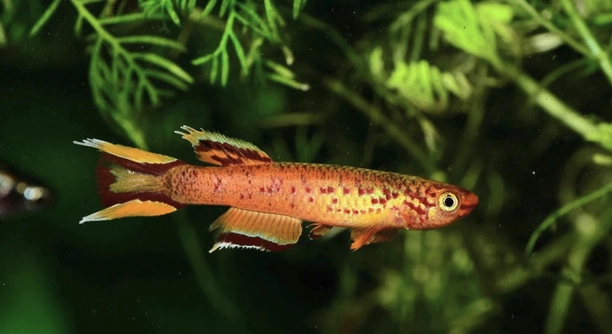
Many pet owners notice that sometimes only one killi fish in the tank displays aggressive behavior. This can be surprising, especially when the rest of the group seems calm and peaceful. Understanding why this happens helps create a better environment for all your fish.
Aggression in a single killi often results from territorial instincts or dominance hierarchy. One fish may establish itself as dominant to secure resources like space, food, or breeding opportunities. This behavior is natural and helps maintain order within the group.
Recognizing these dynamics allows you to manage tank conditions effectively and ensure harmony among your killis. The following information will clarify the reasons behind this selective aggression.
Understanding Aggression in Killis
Aggression in killis usually stems from natural instincts related to territory and dominance. Killis are known to be territorial fish, and a single fish may become more aggressive to protect its space. This behavior often happens when the tank is too small or when hiding spots are limited. The aggressive killi feels the need to defend what it considers its territory, especially if other fish come too close. Another factor is breeding behavior, where males become territorial to attract females or guard eggs. Stress can also play a role; if a killi feels threatened or crowded, it may act out aggressively. Observing your tank setup and the fish’s behavior can help identify triggers. Adjusting the environment by adding plants, rocks, or increasing tank size can reduce aggression and create a more balanced space for all killis.
Aggression serves to establish hierarchy and maintain social order in killis.
Creating a suitable habitat for killis involves careful tank planning. Ensuring plenty of space and hiding spots lowers stress and reduces aggressive behavior. Plants and decorations provide natural barriers, breaking sightlines between fish and helping shy or submissive killis avoid confrontations. Regular monitoring of interactions is essential. If aggression persists, consider separating overly aggressive individuals temporarily. Feeding routines also impact behavior; consistent feeding reduces competition over food, which can be a trigger. Understanding these factors allows better management of killis’ environment, promoting peaceful coexistence and healthy social dynamics.
Managing Aggression Through Environment
Adjusting the tank environment is key to managing aggression in killis.
Small changes in tank setup can make a big difference. Providing ample hiding places, maintaining clean water, and ensuring enough space all help reduce stress. Aggressive behavior often decreases when killis feel secure and unthreatened. Observing interactions over time allows for timely adjustments to the environment.
Recognizing Signs of Aggression
Aggressive killis often display chasing, biting, or flaring fins toward other fish. These behaviors can cause stress and injury to tank mates. Early recognition helps prevent serious problems in the community tank.
Signs to watch for include constant chasing of one fish, torn fins, and hiding by other killis. The aggressive fish may also flare its colors to appear more dominant. These behaviors are more common during breeding seasons or when the tank is overcrowded. If aggression escalates, weaker fish may become stressed or injured, leading to health issues. It’s important to intervene by adjusting tank conditions or separating fish if necessary to maintain balance.
Preventive measures include rearranging tank decorations to break line of sight and reduce confrontations. Increasing tank size or adding more hiding spots gives submissive fish safe areas. Regular observation helps identify triggers for aggression, allowing better management. Addressing aggression early improves the overall health and well-being of your killis and maintains harmony in the tank.
Factors Influencing Aggression Levels
Aggression in killis varies based on species, gender, and environmental conditions. Males are generally more territorial, especially when females are present or during breeding. Species differences also influence how much aggression is displayed.
Environmental factors play a large role in behavior. Overcrowding causes stress and increases competition for space and food, leading to more aggression. Water quality and temperature changes can affect fish health and temperament. Providing proper nutrition reduces food-related conflicts. Social dynamics shift when new fish are introduced, sometimes sparking temporary aggression until roles are established. Understanding these factors helps create conditions that minimize stress and promote peaceful interactions.
When to Intervene
Aggression becomes a problem if it leads to injury or constant stress for other fish. Watching for signs of damage or extreme hiding helps determine when to act.
Separating the aggressive killi temporarily or permanently can protect weaker fish. Adjusting tank setup often reduces conflict without removing fish entirely.
Temporary Separation Benefits
Separating an aggressive killi can calm the tank and give stressed fish time to recover. It prevents injuries and lowers overall tension in the group.
Temporary separation also allows observation of the aggressive fish’s behavior. It can help identify triggers or confirm if aggression is situational. Reintroducing the fish gradually may improve harmony.
Tank Maintenance and Behavior
Regular tank cleaning and water changes improve fish health and reduce stress, which in turn lowers aggression. Clean water supports a balanced environment for all killis.
Choosing Compatible Tank Mates
Selecting peaceful species or killis with similar temperaments helps avoid conflict. Compatibility is key to maintaining a calm and stable tank community.
FAQ
Why is only one killi showing aggression while others stay calm?
Aggression from a single killi often comes down to territorial behavior or dominance. This fish may be more confident or naturally more dominant, claiming space or resources others avoid challenging. Killis establish hierarchies to reduce constant conflict, so usually only one fish acts aggressively to keep order.
Can aggression in killis harm other fish?
Yes, aggressive behavior like chasing and biting can cause stress, injury, or even death in weaker fish. Prolonged aggression may lead to torn fins, infections, or constant hiding, which harms the overall health of the tank’s community.
How can I reduce aggression in my killi tank?
Providing ample space, hiding spots, and breaking visual lines between fish lowers tension. Regular feeding on a schedule reduces food competition. Keeping water quality high and avoiding overcrowding are also important. If aggression continues, separating aggressive individuals might be necessary.
Is it normal for male killis to be more aggressive than females?
Yes, males tend to be more territorial and aggressive, especially during breeding. They defend their space to attract females or guard eggs. Female killis usually show less aggressive behavior but can also be territorial in some cases.
Does tank size affect aggression levels?
Absolutely. Smaller tanks restrict space and increase stress, which often results in more aggression. A larger tank allows fish to establish separate territories and avoid constant encounters, reducing conflict.
Can adding more killis reduce aggression?
Sometimes adding more killis can help spread aggression, making it less focused on one fish. However, overcrowding causes stress and competition, which can increase overall aggression. Balance is key; avoid overstocking the tank.
What role do hiding spots play in aggression control?
Hiding spots let less dominant killis escape aggression and reduce stress. Plants, rocks, and decorations create natural barriers, breaking line of sight and preventing constant chasing or confrontation.
Should I separate an aggressive killi permanently?
Permanent separation depends on the aggression severity. Temporary separation can calm the tank and allow adjustment. If aggression persists after environmental changes, permanent separation may be best to protect other fish.
Does feeding schedule impact aggression?
Yes, consistent feeding reduces competition and aggression over food. When killis know when to expect food, they focus less on fighting and more on feeding, which creates a calmer tank environment.
Can water quality influence aggressive behavior?
Poor water quality stresses killis and makes them more likely to act aggressively. Maintaining clean water, stable temperature, and proper pH helps keep fish healthy and less prone to aggression.
Is aggressive behavior a sign of illness?
Sometimes illness or parasites cause unusual aggression, but it’s more often related to environment or social structure. If aggression comes with other signs like lethargy or discoloration, health issues may be involved.
Can stress cause aggression in killis?
Stress from overcrowding, poor water, or sudden changes can increase aggression. Reducing stressors by improving tank conditions helps lower aggressive behavior and promotes peace among fish.
How do breeding cycles affect aggression?
During breeding, males become highly territorial to protect mates and eggs. This natural increase in aggression usually calms down after the breeding period ends.
Are some killi species more aggressive than others?
Yes, aggression levels vary by species. Some killis are naturally more territorial or active, requiring different tank setups and care to manage behavior properly.
What should I do if my aggressive killi injures others?
Treat injured fish promptly with proper medication and isolation if needed. Improve tank conditions to prevent future injuries and consider separating the aggressive fish to protect others.
How can I monitor aggression effectively?
Spend time observing your killis daily. Look for signs like chasing, hiding, or damaged fins. Early detection helps you act before problems worsen.
Does adding tank mates reduce aggression in killis?
Adding compatible species can sometimes distract an aggressive killi, but it may also increase competition. Choose peaceful species and avoid overcrowding to maintain balance.
Can rearranging tank decorations help reduce aggression?
Yes, rearranging decorations breaks established territories and sightlines, which can decrease aggressive encounters by confusing or distracting dominant fish.
How long does aggression usually last?
Aggression varies by situation but often reduces once territory is established or breeding ends. Persistent aggression might need intervention to prevent harm.
Are killis aggressive toward their own species only?
Most aggression is within the same species due to competition for mates and territory. However, killis may also show aggression toward other fish if space is limited or resources are scarce.
Final Thoughts
Aggression in killis is a natural behavior linked to territory, dominance, and social hierarchy. It is common for only one fish to show aggression while others remain calm. This dominant fish often claims space and resources, helping to keep order within the group. Understanding this behavior can prevent unnecessary worry and help you create a better environment for your fish. When the causes of aggression are clear, it becomes easier to manage and reduce unwanted conflicts.
Creating a balanced and comfortable habitat is important to lower aggression levels. Providing enough space, hiding spots, and breaking up sightlines helps killis feel secure. This reduces stress and lessens the need for constant defense or fighting. Regular tank maintenance, consistent feeding, and monitoring water quality also play key roles. Adjusting these factors creates a healthier environment where all fish can thrive. If aggression persists, temporary or permanent separation of aggressive fish might be necessary to protect others and maintain harmony.
Paying attention to your killis’ behavior daily helps catch early signs of aggression. This awareness allows you to act quickly by making changes or separating fish before serious problems occur. Each tank is unique, so patience and observation are essential. Understanding your killis’ social dynamics, environmental needs, and natural instincts leads to a more peaceful tank and happier fish overall. Taking these steps will improve the health and well-being of your killis, making your aquarium a better place for everyone.

Hello,
If you enjoy the content that we create, please consider saying a "Thank You!" by leaving a tip.
Every little bit helps us continue crafting quality advice that supports the health, happiness, and well-being of pets around the world, for pets of all shapes, sizes, and species.
We really appreciate the kindness and support that you show us!