
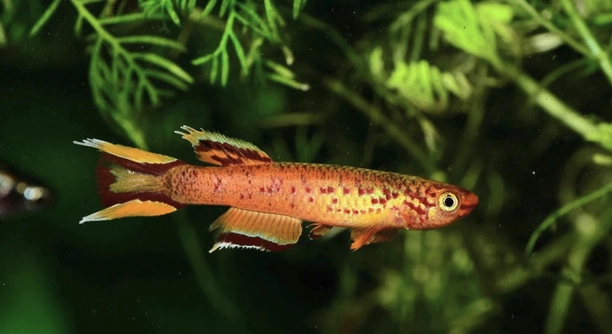
Killi fish fry are delicate and require proper care for successful hatching. Many enthusiasts face challenges when their fry fail to hatch as expected. Understanding the reasons behind this can help improve breeding outcomes and overall fish health.
Several factors can cause killi fish fry not to hatch, including poor water quality, incorrect temperature, inadequate oxygen levels, fungal infections, unsuitable substrate, overhandling of eggs, and genetic issues. Each factor affects the development and viability of the eggs.
Knowing these causes is essential for better breeding practices and healthier fry development in your aquarium.
Poor Water Quality
Poor water quality is a major factor affecting the hatching of killi fish fry. If the water contains high levels of ammonia, nitrites, or nitrates, the eggs may not develop properly or could become infected. Maintaining clean water with regular changes is essential. Using a water conditioner to remove harmful chemicals and testing water parameters often can prevent these problems. Even small fluctuations in pH or temperature can stress the eggs, making them more vulnerable to disease. Keeping the environment stable helps create the best conditions for fry to develop. It is also important to avoid overcrowding and to use a gentle filtration system that does not create strong currents, which might damage the eggs.
Water quality directly influences egg viability and fry survival rates, so constant monitoring is critical.
Keeping water clean and stable creates a safer environment for eggs. Regular testing and maintenance prevent harmful chemical buildup and protect developing fry from stress or infection.
Incorrect Temperature
Temperature plays a vital role in the development of killi fish eggs. If the water is too cold or too warm, it can slow down growth or cause eggs to stop developing altogether. Ideal temperatures typically range between 22 to 26 degrees Celsius (72 to 79 degrees Fahrenheit), but specific species may vary slightly. Sudden temperature changes or fluctuations can shock the eggs, leading to higher mortality rates. Using a reliable aquarium heater and thermometer helps maintain consistent conditions. Avoid placing tanks in direct sunlight or near drafts, which can cause unwanted temperature swings. Keeping the water temperature stable promotes faster and healthier hatching, giving the fry the best start possible.
Temperature variations affect egg development speed and success. Keeping the water within the proper range is necessary to avoid delayed or failed hatching.
Stable temperature control is essential for healthy fry development. Using heaters and thermometers can help maintain the right temperature range. Avoiding rapid changes protects eggs from stress and increases hatch rates.
Inadequate Oxygen Levels
Oxygen is crucial for the development of killi fish eggs. Low oxygen levels can cause the eggs to suffocate and fail to hatch. Proper aeration and gentle water movement help keep oxygen levels adequate.
Using an air stone or sponge filter can improve oxygen circulation without disturbing the eggs. Avoid strong currents that may damage or displace them. Oxygen supports healthy embryo growth and reduces the risk of fungal infections by preventing stagnation.
Maintaining good oxygen levels is vital in any breeding setup. Without enough oxygen, the eggs may die or develop slowly. Simple adjustments to filtration and aeration can make a big difference.
Fungal Infections
Fungal infections are common threats to killi fish eggs. Spores can quickly spread in tanks with poor water quality or where eggs have been damaged. These infections often appear as white, cotton-like patches on the eggs, leading to decay.
Treating fungal infections early is essential to save the remaining healthy eggs. Using antifungal treatments designed for aquarium use can help control the problem without harming the fry. Regularly removing infected eggs and maintaining clean water also reduces fungal growth. Prevention through proper tank maintenance is the best approach to avoid fungal outbreaks.
Ignoring fungal infections will almost always result in significant egg loss. Prevention and prompt treatment ensure better hatching success.
Unsuitable Substrate
The substrate plays a role in how well killi fish eggs develop. Some substrates can trap debris or cause eggs to stick too tightly, preventing proper oxygen flow.
Choosing the right substrate like fine peat moss or spawning mops can help keep eggs safe and clean. Avoid rough or sharp materials that might damage the eggs.
Overhandling of Eggs
Handling eggs too much can cause physical damage or increase the risk of infection. Even gentle movement can harm the delicate embryos inside.
Limit handling to only when absolutely necessary, such as removing fungus-infected eggs. Use soft tools and clean hands or gloves to reduce risks. Minimizing contact supports better survival rates.
Genetic Issues
Some eggs may fail to hatch due to genetic problems. These issues can result from inbreeding or poor parent stock quality.
Genetic defects often cause early developmental failure, reducing hatch rates. To improve success, select healthy, unrelated breeding pairs and maintain genetic diversity in your stock.
FAQ
Why are my killi fish eggs turning white?
White eggs usually indicate fungal infection or that the embryo inside has died. This is common in poor water conditions or when eggs are damaged. Removing white eggs promptly prevents the fungus from spreading to healthy ones. Maintaining clean water and stable temperature helps reduce this problem.
How long does it take for killi fish fry to hatch?
Most killi fish eggs hatch within 10 to 14 days, depending on species and water temperature. Warmer water tends to speed up development, but too high a temperature can be harmful. Keeping consistent temperature within the ideal range supports timely hatching.
Can I use the same water for the eggs as for adult killi fish?
It’s best to use clean, conditioned water that matches the tank parameters but avoid water with high waste or chemicals. Eggs are sensitive, so frequent small water changes with gentle aeration help maintain healthy conditions without stressing them.
Is it normal for some eggs not to hatch?
Yes, it’s normal for a portion of eggs to fail due to genetic issues, environmental factors, or infections. Expecting 100% hatch rate is unrealistic. Focus on maintaining optimal conditions and removing unhealthy eggs to increase survival chances.
How often should I change water during egg incubation?
Frequent partial water changes, about 10-20% every 2-3 days, help keep the water fresh without causing stress. Always ensure new water matches temperature and pH to avoid shocking the eggs.
Should I remove the parents after spawning?
Removing parents is recommended because some killi fish may eat their own eggs or fry. Separating the eggs or using a breeding box helps protect them during development.
What is the best way to prevent fungal infections on eggs?
Maintain clean water, stable temperature, and good oxygen levels. Remove any dead or white eggs quickly. Some breeders add antifungal treatments like methylene blue in low doses but always follow product instructions to avoid harming the fry.
Can overfeeding the adults affect egg hatching?
Overfeeding adults can lead to poor water quality, increasing toxins that harm eggs. Feed adults moderately and remove leftover food to keep the tank clean and safe for eggs and fry.
What type of filter should I use with breeding tanks?
A sponge filter or gentle air-driven filter is ideal to avoid strong currents that can damage eggs. These filters provide good biological filtration and oxygenation without disturbing delicate eggs.
Is light important for egg development?
Killi fish eggs do not require strong light and can develop in dim conditions. Too much direct light may cause temperature fluctuations or stress. Indirect, low-level lighting is usually sufficient.
Can I hatch eggs without a substrate?
Some breeders remove eggs and place them on damp paper or synthetic spawning mops for easier monitoring and cleaning. This method requires careful humidity and temperature control to prevent drying out. Substrates like peat moss also support healthy development by retaining moisture and oxygen flow.
How do I know if eggs are fertile?
Fertile eggs usually look clear or slightly translucent with visible developing embryos inside. Infertile eggs tend to be opaque, white, or cloudy and should be removed to prevent fungal spread.
What causes eggs to fall off the substrate?
Strong water currents or tank disturbances can dislodge eggs from the substrate. Using gentle filtration and avoiding frequent tank movement helps keep eggs secure. Secure spawning materials like moss or mops also reduce this risk.
Can temperature fluctuations kill the eggs?
Yes, rapid changes or temperatures outside the ideal range can stop embryo development or cause mortality. Maintaining a consistent temperature within species-specific limits is critical for successful hatching.
Are chemical treatments safe during egg incubation?
Some mild antifungal agents are safe when used correctly, but harsh chemicals or overdosing can harm the embryos. Always research products thoroughly and apply treatments cautiously. Avoid treatments unless necessary to control infections.
How can I improve hatching rates next time?
Focus on stable water quality, consistent temperature, proper aeration, and selecting healthy breeding pairs. Regular monitoring and prompt removal of dead or infected eggs also improve overall success. Keeping conditions calm and undisturbed helps the fry develop without stress.
Killi fish breeding can be a rewarding experience, but it requires careful attention to many details. Understanding the common causes of fry not hatching helps create better conditions for successful breeding. Factors like water quality, temperature, oxygen levels, and fungal infections play key roles in the development of eggs. Paying close attention to these elements can greatly improve the chances of healthy fry. It’s important to remember that even small changes in the environment can affect the eggs, so regular monitoring is essential. Taking the time to maintain clean water and stable conditions will help ensure the eggs develop properly.
Many challenges in breeding are preventable with proper care and preparation. Using the right substrate, limiting handling of eggs, and selecting healthy parent fish contribute to higher hatch rates. Preventing fungal infections by promptly removing dead eggs and using mild antifungal treatments when necessary is also crucial. Maintaining the correct temperature and avoiding sudden fluctuations reduces stress on the eggs and supports steady development. While it is normal for some eggs not to hatch, focusing on these factors reduces losses and promotes stronger fry growth. Keeping equipment gentle and providing adequate oxygen without disturbing the eggs will further protect the developing embryos.
Success in killi fish breeding comes from patience and consistent care. It may take some time to learn what works best for specific species and individual tanks. Keeping detailed records of water parameters and observing the eggs closely helps identify problems early. Adapting to the needs of the fish by adjusting water changes, temperature, and tank setup increases the likelihood of good results. Remember that each breeding attempt offers valuable experience to improve future efforts. By providing a calm, stable, and clean environment, you give your killi fish eggs the best chance to hatch and grow into healthy fry.

Hello,
If you enjoy the content that we create, please consider saying a "Thank You!" by leaving a tip.
Every little bit helps us continue crafting quality advice that supports the health, happiness, and well-being of pets around the world, for pets of all shapes, sizes, and species.
We really appreciate the kindness and support that you show us!