
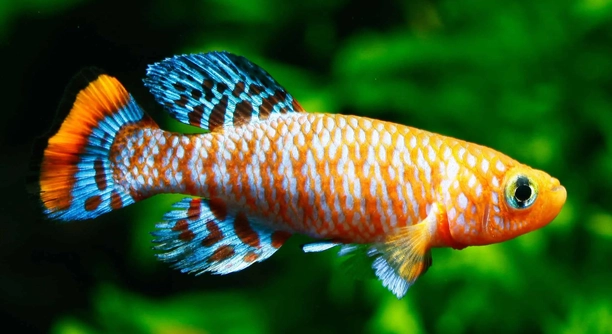
Are your killi fish growing slower than expected or looking smaller than others their age, even though they seem otherwise healthy and active?
The most common reason killi fish become stunted is poor water quality, inadequate diet, or overcrowding. These factors interfere with their growth, causing permanent size limitations even if conditions later improve. Early intervention is essential for recovery.
Understanding the signs and causes of stunting can help you make simple adjustments that protect your killi fish’s health and support their natural growth.
Common Signs Your Killi Fish Are Stunted
Killi fish that are stunted usually appear smaller than others of the same species and age. Their growth may stop entirely, or progress very slowly over time. You might also notice a thin body, oversized eyes, or a slightly curved spine. These physical changes are often the result of early developmental issues caused by poor tank conditions or an imbalanced diet. In some cases, stunted fish remain active and colorful, which can make it harder to recognize the issue right away. Observing how they grow compared to others in the tank is one of the easiest ways to spot a problem. If you’re raising fry, measuring growth regularly helps catch signs early. The sooner you act, the better chance your fish have to recover or stabilize. Keeping a record of their size and behavior can help you track progress and notice when something isn’t quite right.
Stunted killi fish often grow slowly, remain thin, and may have irregular body shapes. Their size stays noticeably smaller than others.
Even though they may still swim actively, stunted fish are often struggling inside. Their bodies aren’t getting what they need to grow properly. Some may never fully recover if the issue continues for too long. Paying close attention to early physical signs—like disproportionate eyes or a slightly misshapen spine—can help you act before the effects become permanent. Once you start seeing growth issues, check tank conditions and food right away. Maintaining a clean environment and offering high-quality protein can support better growth. Quarantining affected fish can also help you control the issue while making adjustments. While some stunting is genetic, most cases stem from preventable conditions. Focus on stable water quality, consistent feeding routines, and enough space for swimming. These changes don’t just help fish grow—they also reduce stress, making the tank healthier overall. Catching stunting early gives your fish the best shot at thriving.
What Causes Stunting in Killi Fish
Overcrowding is one of the most common causes. Limited space and competition for food can affect their development quickly.
Stunting in killi fish usually comes from a mix of poor water quality, inadequate nutrition, and overcrowded tanks. When fish are kept in small or heavily stocked tanks, ammonia levels rise, and oxygen drops. These stressors prevent proper growth, especially in fry. In addition, if they don’t receive enough high-protein food during early stages, their bodies don’t get the fuel needed for healthy development. Temperature can also play a role—too low and metabolism slows down, which hinders growth. When multiple stress factors build up, the chances of stunting increase. It’s also possible for killi fish to be genetically predisposed, but that’s less common. Most issues are avoidable with regular tank maintenance and monitoring. Change water frequently, test ammonia and nitrites, and offer live or frozen food rich in protein. Giving fish enough space and proper care from the start can help prevent stunting altogether.
How to Prevent Stunting in Killi Fish
The best way to prevent stunting is to start with clean, stable water, provide enough space, and feed them a high-quality, protein-rich diet. Consistency in care makes the biggest difference in their development and long-term health.
Water quality should be your top priority. Perform partial water changes every few days, especially in tanks with fry. Use a reliable test kit to monitor ammonia, nitrites, and nitrates. Avoid overfeeding to prevent waste buildup, which affects water conditions. A sponge filter helps keep water gentle and clean. Feed baby killi fish live foods like baby brine shrimp and microworms for healthy growth. Offer food several times a day in small amounts. Make sure the tank isn’t overcrowded. Give each fish space to swim freely without fighting for territory or food. Temperature should stay stable and appropriate for the species you’re keeping, typically between 72–75°F.
Feeding high-quality foods during the first few weeks of life supports bone development and organ growth. Avoid generic flake foods at this stage. Live foods are best, but frozen options like daphnia or bloodworms work once they’re older. Keep lighting and tank conditions natural—too much stress from loud surroundings, sudden light changes, or irregular schedules can affect their growth. Quarantine new fish before adding them to a tank with fry to avoid introducing parasites or diseases. Always monitor how your fish respond to changes in food, lighting, or tank setup. Their behavior tells you a lot about how they’re adjusting. Keeping a care routine simple and consistent builds the foundation for healthy, properly sized killi fish that grow with confidence.
Can Stunted Killi Fish Recover?
Once a killi fish is permanently stunted, it’s unlikely to catch up in size. But some improvement is possible if the issue is caught early and conditions are corrected immediately.
Early stunting caused by poor water quality or low nutrition can be reversed to a degree if you act quickly. Separate the affected fish from the main tank to reduce competition and control conditions more easily. Focus on clean water, stable temperatures, and quality food offered more frequently. Track their size weekly to monitor any progress. Improvements may be slow but noticeable over time. If your fish starts showing better weight, energy, and a straighter body, those are good signs. However, if their size hasn’t changed after a few weeks despite better conditions, it’s likely the effects are permanent. Still, even stunted fish can live comfortably with the right care and a low-stress environment. Keep their tank mates peaceful and avoid aggressive species.
When to Separate Stunted Fish
If a killi fish is noticeably smaller and not growing despite good care, it’s best to separate it. This allows for better control of food, water quality, and stress levels without interference from larger or faster-growing tank mates.
Separating stunted fish also prevents bullying or competition, which can slow recovery even further. Use a small, cycled tank with a sponge filter and stable temperature. Keep the setup calm and simple.
Does Genetics Play a Role?
Genetics can sometimes influence a fish’s final size, especially in lines that have been inbred. However, stunting caused by genetics is less common than environmental or dietary factors. Most stunted killi fish are affected by conditions during early growth. It’s often difficult to tell if stunting is genetic without reviewing the fish’s background. If all care is correct and only one or two fish are affected, genetics might be a factor. Still, it’s always worth improving their environment and nutrition first before assuming it’s genetic. Even genetically smaller fish will benefit from the best care possible.
Watch for Other Health Issues
Stunted fish are more vulnerable to infections and internal problems. Keep an eye out for unusual swimming, clamped fins, or loss of appetite.
FAQ
What causes killi fish to become stunted?
Killi fish usually become stunted due to poor water quality, overcrowding, and inadequate nutrition during their early development. Stress from sudden changes in the tank or temperature fluctuations can also affect their growth. Most cases happen because their environment doesn’t support healthy development.
How can I tell if my killi fish is stunted?
Stunted killi fish are noticeably smaller than others their age, often with thin bodies, oversized eyes, or curved spines. They may still swim actively but don’t grow at a normal rate. Comparing them to healthy fish helps spot these differences.
Can stunted killi fish grow back to normal size?
If caught early, some stunted fish can improve with better care, clean water, and proper feeding. However, if stunting lasts too long, it often becomes permanent. Recovery depends on how quickly conditions are corrected.
Should I separate stunted fish from the main tank?
Yes. Separating stunted fish helps reduce stress and competition for food. It allows you to monitor and control their environment closely. A small, calm, and stable tank works best for recovery efforts.
What is the best diet to prevent stunting?
Feed your killi fish high-protein live foods like baby brine shrimp and microworms, especially during their early growth stages. Frozen daphnia or bloodworms are good alternatives. Avoid relying only on flakes or pellets at this time.
How often should I change the water to prevent stunting?
Perform partial water changes every few days to keep ammonia, nitrites, and nitrates low. Clean water is crucial for growth and health. Overfeeding can cause waste buildup, so feed small amounts and remove leftovers.
Does genetics affect killi fish size?
Genetics can influence the size of some fish, but it’s rarely the main cause of stunting. Environmental factors like water quality and diet usually play a bigger role. Most stunting can be prevented or improved with proper care.
What tank conditions help killi fish grow properly?
Stable temperature (around 72–75°F), clean water, good filtration, and enough swimming space are key. Avoid overcrowding and provide hiding spots. Stress from aggressive tank mates or poor lighting can also slow growth.
Are there health risks for stunted killi fish?
Yes. Stunted fish can be weaker and more prone to infections or internal problems. Watch for unusual swimming, clamped fins, or appetite loss. Keeping their environment stress-free helps reduce these risks.
Can stunted fish live a normal lifespan?
Many stunted killi fish can live normal lifespans if cared for properly. They may not reach full size, but a low-stress environment and good nutrition improve their quality of life significantly.
How often should I feed young killi fish?
Feed young killi fish small amounts multiple times a day, usually 3 to 4 times. Frequent feeding with protein-rich live foods supports better growth and development.
Is overcrowding the biggest problem for growth?
Overcrowding is a major factor. Too many fish in a small space increases stress, competition for food, and poor water quality. Each killi fish needs enough space to swim freely and grow.
What filtration is best for tanks with fry?
A sponge filter is best for fry tanks because it provides gentle filtration without strong currents that can harm small fish. It also supports beneficial bacteria, keeping water clean and safe.
How long does it take to see improvement after fixing conditions?
Improvement can be slow, often taking weeks. Some growth and better body condition may be visible after a few weeks if conditions are good. Consistency in care is essential for progress.
Can stress cause stunting?
Yes, stress from poor water conditions, aggressive tank mates, or sudden changes can slow or stop growth. Reducing stress by maintaining stable conditions helps fish grow better.
Are live plants helpful in preventing stunting?
Live plants improve water quality and reduce stress by providing hiding spots and natural filtration. They can create a healthier environment that supports growth.
Should I use medication to treat stunted fish?
Medication is only needed if there is a clear illness or parasite. Stunting itself is not a disease and should be treated by improving care and environment first.
Can stunted fish breed successfully?
Some stunted fish may breed, but their smaller size can reduce fertility. Providing ideal conditions improves their chances, but stunting can affect reproduction.
What’s the ideal tank size for killi fish to avoid stunting?
At least 5 gallons per pair of killi fish is recommended. More space reduces stress and helps maintain better water quality, supporting healthy growth.
How important is temperature control for growth?
Very important. Killi fish need stable temperatures around 72–75°F. Too cold slows metabolism and growth; too warm increases stress and disease risk.
Can diet alone fix stunting?
Diet helps, but fixing water quality and tank conditions is equally important. Without a clean environment, good food won’t fully support growth.
How do I monitor growth effectively?
Measure your fish regularly and keep notes. Comparing size over time helps identify if they are growing normally or showing signs of stunting.
What signs mean stunting is permanent?
No size improvement after several weeks of good care and stable conditions usually means stunting is permanent. Physical deformities may also indicate lasting damage.
Is it better to raise fry separately to prevent stunting?
Yes. Raising fry in a dedicated tank with proper food, space, and clean water reduces stress and competition, lowering the risk of stunting.
How can I reduce competition for food?
Feed small amounts often and spread food across the tank. Separate slow growers to ensure they get enough nutrition without being outcompeted.
Does water hardness affect killi fish growth?
Water hardness can affect health but usually doesn’t directly cause stunting. Most killi species prefer slightly soft to moderately hard water. Maintain stable parameters.
Can I prevent stunting by breeding selectively?
Selective breeding may reduce genetic issues but won’t fix environmental causes. Focus on tank care to prevent most cases of stunting.
Are there signs that stunted fish are stressed?
Yes. Signs include hiding, loss of appetite, rapid gill movement, and clamped fins. These stress signals often worsen growth problems.
How do I handle sudden stunting in adult killi fish?
Sudden stunting in adults often signals illness or poor conditions. Test water, isolate the fish, and improve care immediately to prevent further decline.
Final thoughts on killi fish stunting highlight the importance of early care and consistent attention to their environment. Stunting often begins during the early growth stages when fish are most vulnerable. Problems like poor water quality, overcrowding, and lack of proper nutrition can cause lasting effects. Even if fish look healthy in other ways, stunted growth may signal underlying issues that need to be addressed. By focusing on good tank maintenance and careful feeding from the start, many of these problems can be avoided. Taking the time to create a stable environment for your killi fish improves their chances of growing to their full size and living a healthy life.
It is also important to understand that some cases of stunting cannot be fully reversed. When fish grow slower or stop growing due to long-term conditions, their size may remain smaller than expected. In such cases, the best approach is to ensure they live comfortably and without stress. Separating stunted fish into a calm tank where food and water quality are carefully controlled can help improve their quality of life. Even if they don’t grow much more, proper care allows them to stay healthy and active. Monitoring their behavior and health regularly will help catch any additional problems early, such as infections or parasites.
Overall, preventing stunting in killi fish relies on a balance of good water quality, nutrition, and enough space. Regular water changes, feeding live or frozen protein-rich foods, and avoiding overcrowding make the biggest difference. Stability in temperature and tank conditions also supports healthy development. For those raising killi fish, patience and consistent care are key. Growth may take time, but keeping a clean, stress-free environment will support your fish’s well-being. Paying close attention to their needs and acting quickly at the first signs of trouble ensures your killi fish have the best chance to thrive.

Hello,
If you enjoy the content that we create, please consider saying a "Thank You!" by leaving a tip.
Every little bit helps us continue crafting quality advice that supports the health, happiness, and well-being of pets around the world, for pets of all shapes, sizes, and species.
We really appreciate the kindness and support that you show us!