
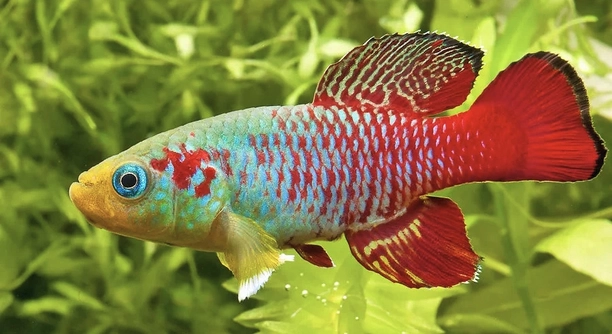
Is your killifish spending more time near the water’s surface, breathing rapidly? This behavior can be concerning for any fish owner. Understanding the reasons behind it can help you care for your aquatic pet better.
Killifish breathing at the top usually indicates low oxygen levels in the water or poor water quality. Fish seek the surface where oxygen is higher, especially if the tank lacks proper aeration or filtration. This behavior signals a need for immediate water condition improvements.
Recognizing the signs early can protect your killifish’s health. The following details explain common causes and practical steps to improve their environment.
Common Causes of Surface Breathing in Killifish
When a killifish breathes at the surface, low oxygen in the tank is often the main issue. Water that is warm or stagnant holds less oxygen, making fish struggle to breathe. Poor filtration or lack of aeration worsens this problem. High levels of waste like uneaten food or fish waste can reduce oxygen by increasing bacteria growth. Additionally, certain illnesses or stress can affect their breathing patterns. Watching water temperature and maintaining cleanliness help keep oxygen levels stable. Regular water changes and adding an air stone can improve oxygen supply. Tank size also matters; a small, overcrowded tank limits oxygen availability. Killifish need a balanced environment to thrive, so monitoring these factors is important. If your fish continues to gasp at the surface, it is a sign that changes are necessary.
Oxygen depletion is not the only cause; poor water quality often plays a significant role.
Improving water quality is crucial. Test the water regularly for ammonia, nitrite, and nitrate levels, as these can rise quickly and harm your killifish. Ammonia and nitrites are toxic even at low levels and cause stress or breathing problems. Nitrates are less toxic but still harmful in high concentrations. Proper filtration helps remove these chemicals, but regular water changes are needed to keep levels safe. Avoid overfeeding, as leftover food decomposes and pollutes the water. Plants can help absorb nitrates and provide some oxygen. Maintaining stable water parameters keeps your killifish healthy and reduces the chances of surface breathing.
How to Fix Oxygen and Water Quality Issues
Increasing aeration is one of the easiest ways to raise oxygen levels. Air stones, sponge filters, or powerheads help move water and add oxygen. Keep the tank temperature stable and avoid overheating since warmer water holds less oxygen. Perform regular water changes to dilute harmful chemicals and remove waste. Use a reliable test kit to monitor water conditions frequently. Avoid overcrowding the tank; too many fish compete for oxygen and space. Feed your killifish sparingly and remove uneaten food quickly. Adding live plants can improve oxygen levels and reduce toxins. Consistent maintenance ensures a healthier environment and reduces surface breathing behavior.
Proper care and attention to tank conditions can prevent most breathing problems.
A clean, well-aerated tank supports your killifish’s health. Oxygen-rich water is essential, so equipment like air pumps and filters must function properly. Keep an eye on water temperature, aiming for the ideal range specific to killifish species. Regular testing and water changes prevent toxin buildup. Avoid overstocking the aquarium to give each fish enough space. Feeding in moderation reduces waste and keeps water cleaner. Adding plants benefits both oxygen levels and natural filtration. If illness is suspected, isolate affected fish and consider consulting a vet. These steps will help your killifish breathe comfortably and stay vibrant.
Recognizing Illness in Killifish
Illness can cause abnormal breathing patterns. Signs include lethargy, loss of appetite, or discoloration.
Killifish are prone to infections like gill parasites or bacterial diseases, which can make breathing difficult. These infections damage the gills or affect oxygen absorption. Stress weakens their immune system, increasing vulnerability. It is important to observe your fish carefully for these signs. Prompt treatment can prevent worsening health. Quarantining sick fish helps avoid spreading illness. Consult with a specialist if symptoms persist or worsen despite basic care.
Proper diagnosis is key. Treat infections with appropriate medications and maintain clean water to support recovery. Consistent monitoring helps ensure your killifish returns to normal breathing and activity.
Tank Setup and Its Effect on Breathing
Tank conditions directly affect killifish breathing. A well-maintained environment reduces stress and oxygen problems.
Adequate tank size and proper decoration impact water flow and oxygen distribution. Too many decorations or plants can restrict water movement, lowering oxygen in some areas. Use gentle filtration to avoid strong currents, as killifish prefer calm water but still need circulation. Ensure the tank lid fits well to prevent temperature fluctuations. Maintaining a stable environment supports normal breathing and reduces stress-induced surface gasping. Proper lighting and regular cleaning contribute to balanced conditions, helping your killifish thrive without respiratory distress.
Temperature and Oxygen Levels
Water temperature greatly influences oxygen availability. Warmer water holds less oxygen, causing fish to breathe faster at the surface.
Maintaining a stable, appropriate temperature for your killifish species helps prevent oxygen depletion. Sudden temperature changes can stress fish and affect their breathing.
Signs of Stress in Killifish
Stress from poor water quality, overcrowding, or sudden changes often causes surface breathing. Stressed fish may hide or become inactive.
Addressing stress factors improves overall health. Keeping a calm environment with stable conditions reduces breathing problems and promotes well-being.
Feeding and Water Quality
Overfeeding leads to excess waste, increasing toxins that reduce oxygen and water quality. Feeding small amounts helps maintain a clean tank.
Regular cleaning combined with proper feeding routines supports a healthy environment, keeping killifish comfortable and reducing breathing difficulties.
FAQ
Why is my killifish breathing rapidly at the surface?
Rapid surface breathing usually means low oxygen levels in the tank. Killifish go to the surface where oxygen is higher because the water below may not have enough dissolved oxygen. This can happen if the tank water is too warm, dirty, or lacks proper aeration. Regular water changes, better filtration, and adding air stones help keep oxygen levels balanced.
Can poor water quality cause breathing problems?
Yes, poor water quality is a common cause of breathing difficulties. High levels of ammonia, nitrites, or nitrates harm fish gills and reduce oxygen absorption. Overfeeding and insufficient cleaning increase waste and toxins. Testing water regularly and maintaining a clean tank with proper filtration reduces these risks and keeps your killifish healthy.
How often should I change the water?
Water changes depend on tank size and stock, but generally, changing 20-30% of the water weekly is recommended. This helps remove harmful chemicals and replenish oxygen. For smaller tanks or heavily stocked tanks, more frequent changes may be necessary. Always use dechlorinated water at the right temperature to avoid stressing your fish.
Is tank size important for killifish breathing?
Tank size matters because overcrowding reduces oxygen availability and increases waste. A small tank with many fish leads to poor water quality and less oxygen, causing surface breathing. Providing enough space per fish and avoiding overstocking help maintain stable water conditions and better oxygen levels.
Can temperature affect my killifish’s breathing?
Yes, temperature affects oxygen levels in the water. Warm water holds less oxygen, so if the tank is too warm, your killifish may breathe faster at the surface. Keeping the water within the species’ preferred temperature range helps maintain oxygen levels and reduces stress on the fish.
What are signs of illness affecting breathing?
Signs include gasping at the surface, lethargy, loss of appetite, discoloration, or visible damage to gills. Gill parasites or bacterial infections can damage breathing organs, causing rapid surface breathing. Early detection and treatment are important. Isolate sick fish and consult a vet or aquatic specialist if needed.
How can I improve oxygen levels in my tank?
Use air stones, sponge filters, or powerheads to increase water movement and oxygen exchange. Avoid overcrowding and keep the water clean with regular changes. Live plants can also help oxygenate the water. Maintaining a stable temperature and avoiding sudden changes supports healthy oxygen levels.
Can stress cause breathing problems in killifish?
Yes, stress weakens the immune system and affects breathing. Causes include poor water quality, overcrowding, sudden changes, or aggressive tank mates. A calm, stable environment with proper tank setup helps reduce stress and keeps breathing normal.
Should I feed my killifish less if it’s gasping at the surface?
Overfeeding increases waste and lowers water quality, which can worsen oxygen levels and breathing problems. Feed small amounts and remove leftover food quickly. A clean tank supports better breathing and overall health.
When should I seek professional help?
If your killifish continues to gasp despite good water conditions, or shows other illness signs like swelling or abnormal behavior, seek advice from a vet or aquatic expert. Proper diagnosis and treatment can prevent serious health issues.
Are live plants beneficial for killifish tanks?
Live plants improve oxygen levels and help remove harmful chemicals like nitrates. They also provide hiding spots that reduce stress. Including plants in the tank supports a healthier environment and better breathing conditions for your killifish.
Can filtration affect killifish breathing?
Yes, inadequate or malfunctioning filters reduce water quality and oxygen. Filters remove waste and circulate water, which supports oxygen exchange. Using gentle filtration that suits killifish preferences is important to avoid stressing them while maintaining clean water.
How do I test water quality at home?
Use aquarium test kits to measure ammonia, nitrites, nitrates, pH, and temperature. Testing regularly helps catch problems early and keeps the environment safe. Follow the kit instructions carefully and act quickly if levels are unsafe.
Can sudden changes in the tank cause surface breathing?
Yes, sudden changes in temperature, water chemistry, or tank setup can stress fish and cause breathing issues. Introducing new fish without quarantine or moving fish between tanks quickly can also lead to problems. Gradual adjustments and careful monitoring reduce risks.
Is surface breathing always a sign of a problem?
Not always. Sometimes fish swim near the surface to feed or explore. However, consistent gasping or staying at the surface often indicates low oxygen or other issues. Monitoring behavior over time helps distinguish normal from concerning breathing.
What equipment helps prevent oxygen depletion?
Air pumps with air stones, sponge filters, and powerheads improve oxygenation. Proper filtration removes waste that reduces oxygen. A heater with a thermostat keeps temperature stable. Using these tools together creates a healthy environment that reduces surface breathing.
How important is tank maintenance for killifish health?
Regular maintenance is essential. Cleaning the tank, changing water, checking equipment, and monitoring water quality prevent problems that cause breathing difficulties. Keeping up with these tasks ensures a stable, oxygen-rich environment for your killifish.
Can I use medication to improve breathing?
Medication only helps if the breathing problem is due to illness. Using medicines without diagnosis can harm fish or water quality. Always identify the cause first and follow professional advice before treating with medication.
What role does oxygen play in fish health?
Oxygen is vital for all fish functions, including metabolism and organ health. Without enough oxygen, fish become stressed, weak, and prone to disease. Ensuring proper oxygen levels is a key part of responsible fish care.
Are there any natural ways to increase oxygen?
Yes, adding live plants, increasing water surface agitation, and maintaining clean water naturally improve oxygen levels. Plants perform photosynthesis, releasing oxygen, and moving water increases gas exchange at the surface.
What should I do if my killifish continues to gasp despite all efforts?
Persistent gasping may indicate severe illness or tank problems. Reassess water quality, temperature, and tank setup. Consider professional diagnosis to identify hidden issues. Acting quickly can save your killifish’s life.
Final thoughts on your killifish’s breathing behavior highlight the importance of a balanced and well-maintained tank environment. When you notice your fish breathing heavily or spending time at the surface, it is usually a sign that something in their habitat needs attention. Low oxygen levels and poor water quality are the most common reasons. These conditions can arise from several factors like high water temperature, overfeeding, or inadequate filtration. Keeping an eye on these elements helps prevent many health issues. Consistent water testing and regular maintenance are key steps in providing your killifish with a comfortable home.
Taking care of your killifish means more than just feeding and watching them swim. Their health depends on the quality of their environment. Proper aeration, clean water, and a stable temperature range are crucial for healthy breathing. It is also important to avoid overcrowding the tank, as too many fish can quickly reduce oxygen availability and increase waste buildup. Live plants and gentle water movement support oxygen levels naturally and create a more pleasant setting for your fish. Stress from sudden changes or aggressive tank mates can also affect their breathing and overall well-being, so keeping a calm and stable environment is vital.
If your killifish continues to breathe at the surface after making these adjustments, illness might be a factor. Look for other signs like discoloration, sluggishness, or loss of appetite, which can indicate infections or parasites. Prompt diagnosis and treatment can improve your fish’s condition and prevent worsening health problems. Remember, caring for killifish involves regular attention to their needs and environment. By maintaining good water quality, proper tank setup, and observing your fish closely, you help ensure they stay healthy and vibrant for a long time.

Hello,
If you enjoy the content that we create, please consider saying a "Thank You!" by leaving a tip.
Every little bit helps us continue crafting quality advice that supports the health, happiness, and well-being of pets around the world, for pets of all shapes, sizes, and species.
We really appreciate the kindness and support that you show us!