
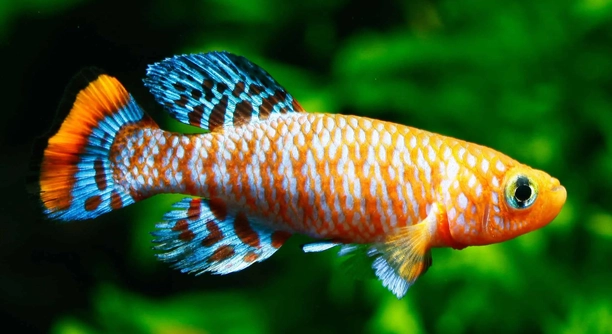
Killi fish are popular in home aquariums for their vibrant colors and small size. Caring for them properly includes paying attention to their health and environment. One important sign of their well-being is the appearance of their poop.
Healthy killi fish poop typically appears as small, firm, and slightly curved pellets. It should be consistent in shape and color, often matching the color of the fish’s diet. Irregular, stringy, or discolored waste can indicate health issues or digestive problems.
Understanding what killi fish poop should look like helps ensure their health and prevents potential diseases. This knowledge supports a thriving aquarium environment.
What Causes Changes in Killi Fish Poop
Killi fish poop can change in appearance due to several factors. Diet is one of the most common reasons. Feeding your fish too much or giving them food that is not suitable can cause irregular poop. Stress also affects their digestive system, leading to changes in waste. Water quality plays a big role as well. Poor water conditions can cause infections or parasites, which often show up as abnormal poop. Sometimes, a sudden change in environment or temperature can affect digestion. Monitoring these factors helps maintain healthy fish and clear waste. It’s important to observe your fish regularly so you can catch any changes early. Proper feeding and clean water keep your killi fish comfortable and their poop normal.
Regular feeding and good water quality are essential to prevent these changes in your fish’s digestion and waste appearance.
Fish that experience poor water conditions or improper diets often develop digestive problems. These problems show in the form of stringy, discolored, or unusually shaped poop. When infections or parasites occur, the poop may contain mucus or appear slimy. Digestive blockages caused by overfeeding result in swollen or missing waste. Observing these signs early allows for timely treatment. Changing to a balanced diet and improving water conditions usually helps restore normal digestion. Treating infections with appropriate medication ensures recovery. Keeping your tank clean and monitoring feeding habits are the best ways to avoid digestive issues. Healthy poop reflects healthy fish.
How to Monitor and Improve Your Killi Fish’s Digestion
Regular observation is key to keeping your killi fish healthy. Check the poop daily when you feed your fish. If you notice changes, compare them to normal waste. Testing your water quality weekly is also important to catch issues early. Maintaining stable temperature and good filtration supports digestion. Feeding your fish small portions several times a day helps avoid overfeeding. Include varied, high-quality food that suits their dietary needs. If problems persist, consulting a vet or aquarium expert is recommended. Small changes in care often make a big difference in fish health.
Improving digestion requires attention to feeding, water, and overall tank conditions to maintain healthy fish and waste.
If your killi fish show signs of abnormal poop, start by checking their diet and feeding schedule. Remove uneaten food promptly to prevent water contamination. Perform partial water changes weekly to keep the environment clean. Use water conditioners if needed to remove harmful chemicals. Ensure your tank is not overcrowded, which can stress the fish and affect digestion. Adding live or frozen foods can improve nutrient intake and digestion. Avoid sudden changes in diet or tank conditions to reduce stress. If the issue continues, test for parasites or infections and treat accordingly. Proper tank maintenance combined with balanced nutrition supports healthy digestion and clear, firm poop. This approach helps maintain the well-being of your killi fish.
Identifying Common Digestive Issues
Digestive problems in killi fish often show through changes in poop texture and color. Stringy, white, or mucus-covered waste are common signs. These changes usually indicate parasites, infections, or dietary imbalances that need addressing quickly to avoid serious health problems.
White, stringy poop in killi fish often points to internal parasites like nematodes or protozoa. Mucus-covered waste may suggest bacterial infections or irritation in the digestive tract. Both conditions usually cause discomfort and poor nutrient absorption, leading to weight loss or lethargy. Diet can also play a role; feeding too much or giving low-quality food can upset digestion. Recognizing these signs early is important for timely treatment. Regular tank cleaning, proper diet, and quarantine of new fish can reduce the risk of these issues.
Sometimes, fish develop constipation, causing thick or clumped poop. This is often from low fiber or improper feeding. Providing fibrous foods such as daphnia or blanched vegetables helps. If constipation persists, a fast or treatment with Epsom salt baths may be necessary. Maintaining clean water and avoiding overfeeding supports regular digestion. Proper observation ensures digestive health and prevents complications.
Preventing Digestive Problems in Killi Fish
Consistent tank maintenance and balanced feeding reduce digestive problems significantly. Keeping water parameters stable, with regular cleaning and filtration, is essential. Avoid sudden changes in diet or environment, which stress the fish and disrupt digestion. Providing varied and appropriate food supports healthy digestion. Quarantining new fish before adding them to the main tank helps prevent introducing parasites or infections. Following these steps creates a healthy habitat that minimizes digestive issues and supports your killi fish’s well-being. Regular monitoring remains crucial to catch early signs of trouble.
Feeding Tips for Healthy Digestion
Feeding killi fish the right amount is essential for their digestive health. Overfeeding can cause constipation and poor water quality, which affects digestion. Small portions given twice a day work best to keep digestion smooth and prevent waste buildup in the tank.
Using high-quality food designed for killi fish ensures they get necessary nutrients. Include occasional live or frozen foods to add variety and improve gut function. Avoid foods that are too large or difficult to digest, as they can cause blockages or discomfort.
Common Food Types for Killi Fish
Killi fish thrive on a diet that includes micro worms, daphnia, brine shrimp, and specially formulated pellets. These foods provide essential proteins and nutrients for healthy growth and digestion. Rotating between these options prevents dietary deficiencies and keeps fish active.
Signs Your Killi Fish Is Healthy
Healthy killi fish produce firm, well-shaped poop that matches their diet color. They remain active and display bright colors. Monitoring these signs helps catch health issues early and maintain a thriving aquarium.
FAQ
What does healthy killi fish poop look like?
Healthy killi fish poop is usually small, firm, and slightly curved. It often matches the color of the fish’s food, showing consistency in shape and texture. This indicates a well-functioning digestive system and good health. Any drastic changes may signal a problem that needs attention.
Why is my killi fish poop stringy or white?
Stringy or white poop often points to internal parasites or infections. Parasites like nematodes can cause irritation and mucus production in the intestines, which changes the poop’s appearance. White stringy waste should be treated promptly to avoid worsening health issues.
Can diet affect my killi fish’s poop?
Yes, diet plays a major role in poop appearance. Overfeeding or poor-quality food can lead to constipation or loose stools. A diet lacking fiber can cause thick or clumped waste, while sudden diet changes can upset digestion. Balanced feeding is key to healthy digestion.
How often should I feed my killi fish?
Feeding small amounts two times per day is ideal. Overfeeding can lead to digestive problems and water contamination. It’s better to offer small, controlled portions to avoid uneaten food and keep the tank clean.
What should I do if my killi fish’s poop changes suddenly?
If you notice sudden changes like mucus, discoloration, or stringiness, check water quality first. Poor water conditions often worsen digestion. Adjust feeding habits and clean the tank. If changes persist, consider treatment for parasites or infections.
Can poor water quality cause digestive issues?
Yes, poor water quality stresses fish and often causes digestive problems. High ammonia or nitrite levels irritate the digestive tract, leading to abnormal poop. Regular water testing and cleaning keep fish healthy and waste normal.
Is constipation common in killi fish?
Constipation can happen, especially with low-fiber diets or overfeeding. It causes thick, clumped poop and discomfort. Providing fibrous foods like daphnia or blanched vegetables helps regulate digestion. Occasional fasting can also relieve constipation.
How can I prevent digestive problems in my tank?
Keep the tank clean with regular water changes and maintain stable water parameters. Feed high-quality, varied food in controlled portions. Quarantine new fish to avoid introducing parasites. Monitoring fish behavior and waste helps catch issues early.
Can live or frozen foods improve digestion?
Live or frozen foods add variety and natural nutrients, aiding digestion. Foods like brine shrimp and daphnia provide fiber and help maintain gut health. Including these occasionally supports a balanced diet and reduces digestive problems.
When should I consult a vet or expert?
If poop abnormalities persist despite good care, or fish show signs of lethargy, weight loss, or unusual behavior, professional advice is needed. A vet or aquarium specialist can diagnose infections or parasites and recommend treatment.
What is the best way to clean the tank without stressing killi fish?
Perform partial water changes regularly, about 20-30% weekly, to maintain water quality without sudden shifts. Use a gravel vacuum to remove waste gently. Avoid disturbing the fish too much during cleaning to reduce stress and support digestion.
How important is temperature for digestion?
Stable, appropriate temperature is crucial. Sudden temperature changes slow digestion or stress fish, causing irregular poop. Keep the tank temperature consistent according to species needs to support normal metabolic and digestive functions.
Can overcrowding affect killi fish digestion?
Yes, overcrowding increases stress and waste, leading to poor water quality. Stress weakens the immune system and digestion, resulting in abnormal poop. Keep stocking levels appropriate to maintain a healthy environment and digestion.
Are there any signs in poop that indicate serious illness?
Yes, bloody, very slimy, or absent poop can indicate serious infections or blockages. Sudden loss of appetite combined with unusual waste signals urgent health concerns. Immediate action is required to diagnose and treat the fish.
What role does stress play in digestion?
Stress affects digestion by weakening the immune system and slowing gut function. Causes include poor water quality, overcrowding, sudden changes, or aggressive tank mates. Reducing stress helps maintain normal digestion and healthy poop.
Final thoughts on killi fish poop focus on the importance of paying close attention to your fish’s digestive health. Healthy poop is a key sign that your fish is doing well. It shows that their diet, environment, and overall care are balanced. Ignoring changes in their waste can lead to bigger health problems, so it is important to monitor it regularly. Simple observations, like checking the color, shape, and consistency of the poop, can provide useful information about your fish’s condition. These small details help keep your aquarium healthy and your fish happy.
Maintaining a stable environment is crucial for good digestion in killi fish. Clean water, proper filtration, and suitable temperature all contribute to their well-being. Feeding them the right amount of high-quality food supports their digestive system and prevents issues like constipation or infections. Avoiding overfeeding and sudden changes in diet also plays an important role. If you see unusual poop, it is often related to diet or water quality. By acting early, you can address problems before they become serious. Keeping the tank clean and providing balanced food are simple steps that have a big impact on your fish’s health.
Finally, remember that killi fish, like all pets, need consistent care and attention. Digestive health is one part of their overall wellness. Observing their poop is an easy and effective way to stay informed about their condition. If problems do arise, consulting an expert or vet can help find the right solution. Taking these steps ensures your killi fish live longer, healthier lives and thrive in their aquatic home. Paying attention to these details shows responsible care and helps create a safe, comfortable environment for your fish.

Hello,
If you enjoy the content that we create, please consider saying a "Thank You!" by leaving a tip.
Every little bit helps us continue crafting quality advice that supports the health, happiness, and well-being of pets around the world, for pets of all shapes, sizes, and species.
We really appreciate the kindness and support that you show us!