
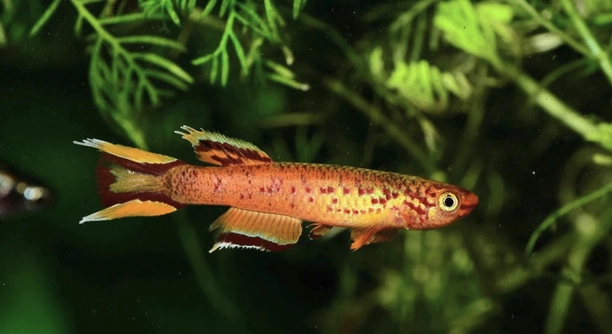
Many fish owners notice their killifish rubbing against rocks in the aquarium. This behavior often raises concerns about the fish’s health or environment. Understanding why killifish do this can help keep them comfortable and healthy.
Killifish rubbing on rocks is typically a sign of irritation caused by parasites, skin infections, or poor water quality. This behavior, known as “flashing,” helps relieve discomfort but also indicates a need for immediate attention to the tank’s conditions and the fish’s health.
Learning about these causes will help you create a better environment for your killifish and prevent future issues from developing.
Common Causes of Rubbing Behavior
Killifish rubbing on rocks usually means they feel uncomfortable. One of the most frequent reasons is irritation from parasites like ich or flukes. These tiny pests attach to the fish’s skin, causing itching and prompting the fish to rub against hard surfaces. Another cause could be skin infections or wounds that make the fish itchy. Poor water quality also plays a big role. High ammonia or nitrite levels can irritate the skin and gills, leading to this rubbing behavior. Sometimes, sudden changes in temperature or pH can stress the fish, making them act this way. Watching your fish closely and checking your water parameters regularly can help catch problems early.
This rubbing is a clear sign that something in the tank needs attention to protect your killifish’s health and comfort.
Taking steps like treating parasites or improving water conditions usually stops the rubbing quickly and helps your fish feel better.
How to Improve Your Killifish’s Environment
Keeping the tank clean and stable is key to preventing rubbing behavior. Regular water changes, testing for ammonia, nitrites, and nitrates, and maintaining a stable temperature create a healthy environment. Avoid overcrowding, as stress from too many fish can worsen skin problems. Adding plants or decorations can provide hiding spots, which help reduce stress and irritation. Using a good quality filter and avoiding sudden water parameter shifts also supports the fish’s health. If parasites are present, treating the tank with appropriate medications is necessary to stop irritation. By paying close attention to these details, you can reduce your killifish’s need to rub on rocks and promote a happier, healthier tank overall.
Signs of Parasite Infestation
Rubbing on rocks often signals parasite problems. Watch for white spots, rapid breathing, or clamped fins as other signs. These symptoms usually appear alongside rubbing.
Parasites like ich and flukes irritate killifish skin and gills, causing discomfort that leads to rubbing behavior. If left untreated, parasites can weaken the fish and lead to serious health issues. Identifying these signs early helps prevent worsening conditions. Regular tank observation is important to catch any changes quickly.
Treating the tank with recommended antiparasitic medications and maintaining clean water stops the infestation. Quarantining new fish before adding them can reduce the risk of spreading parasites to your killifish.
Importance of Water Quality
Poor water quality irritates killifish and causes rubbing behavior. Ammonia and nitrite levels above zero are harmful and must be controlled. Keeping these parameters stable ensures fish comfort.
Regular water changes remove waste and toxins that build up over time. Testing water weekly gives a clear picture of conditions. Using a reliable filtration system also helps maintain water clarity and chemical balance. Avoid sudden changes in pH or temperature, as killifish are sensitive and stress easily. Monitoring these factors supports your fish’s immune system and overall well-being, reducing the chance of rubbing and other signs of distress.
Stress and Its Effects
Stress is a common cause of rubbing behavior in killifish. Changes in the tank, such as new fish or loud noises, can stress them out quickly. Stress weakens their immune system, making irritation more likely.
Providing hiding spots and keeping a stable environment helps reduce stress. Consistent lighting and minimal disturbance keep killifish calm and less prone to rubbing.
Identifying Physical Injuries
Physical injuries can make killifish rub against rocks to ease discomfort. Sharp decorations or aggressive tank mates may cause wounds or scrapes. Inspect the fish regularly for any signs of cuts or damage. Removing sharp objects and separating aggressive fish can prevent further injuries.
Proper Treatment for Parasites
Treating parasites quickly is essential for your killifish’s health. Use medications specifically designed for aquarium fish. Follow the dosage instructions carefully to avoid harming your fish or beneficial bacteria. Removing infected fish to a quarantine tank during treatment helps stop the spread. Cleaning the tank thoroughly after treatment reduces parasite eggs and prevents re-infestation.
Monitoring Behavior Changes
Keep an eye on your killifish’s behavior after treatment or tank changes. Changes in rubbing or swimming habits provide important clues about their recovery and well-being.
FAQ
Why is my killifish rubbing against the glass instead of rocks?
Killifish rubbing on glass often shows the same irritation as rubbing on rocks. Glass is just another hard surface they can use to scratch themselves. This behavior usually means parasites, skin irritation, or poor water quality are causing discomfort. It’s important to check water conditions and look for signs of illness.
How long does it take for killifish to stop rubbing after treatment?
Once the cause is addressed, such as parasites or water issues, rubbing usually decreases within a few days. Full recovery may take up to two weeks depending on the fish’s health and treatment effectiveness. Keep monitoring water quality and behavior during this time.
Can rubbing cause permanent damage to my killifish?
Repeated rubbing can damage the skin, causing wounds or infections if left untreated. This makes the fish more vulnerable to other illnesses. Prompt action to fix the underlying cause can prevent long-term harm.
Are all types of rubbing behavior a sign of illness?
Not always. Sometimes, killifish may rub gently during normal activities like cleaning themselves or interacting with their environment. However, vigorous or constant rubbing usually signals a problem that needs attention.
What water parameters are best for killifish to prevent rubbing?
Killifish prefer clean water with a pH between 6.0 and 7.5, temperature around 72-75°F (22-24°C), and zero ammonia and nitrites. Regular testing and water changes keep these parameters stable, helping to reduce stress and skin irritation.
Is quarantining new fish necessary to prevent rubbing behavior?
Yes. New fish can introduce parasites or diseases to your tank. Quarantining them for at least two weeks helps prevent infections that cause rubbing and other health problems.
Can diet affect my killifish’s tendency to rub on rocks?
A poor diet can weaken the immune system, making fish more prone to infections and parasites. Feeding a balanced diet with high-quality flakes, frozen, or live food supports their health and reduces rubbing caused by irritation.
How can I tell if rubbing is due to parasites or poor water quality?
Parasites often cause visible signs like white spots, rapid breathing, or lethargy along with rubbing. Poor water quality may show no spots but can cause dull colors, clamped fins, or gasping at the surface. Testing water regularly helps identify if quality is the issue.
Should I remove decorations if my killifish is rubbing?
If decorations have sharp edges or rough surfaces causing injury, removing or smoothing them is wise. Otherwise, plants and hiding spots help reduce stress and can prevent rubbing related to anxiety or aggression.
Is it normal for killifish to rub during breeding?
Sometimes, mild rubbing may occur during breeding due to increased activity or contact. This is usually short-lived and not harmful. Persistent rubbing outside breeding times should be checked.
Can rubbing indicate stress from tank mates?
Yes, aggressive or overly active tank mates can stress killifish, causing them to rub as a sign of discomfort. Observing interactions and separating aggressive fish helps reduce this behavior.
What treatments are safe for killifish rubbing caused by parasites?
Medications containing formalin, malachite green, or copper-based treatments are effective but must be used carefully. Always follow dosage instructions and consider the sensitivity of killifish when choosing treatments. Consulting a vet or experienced aquarist is helpful.
How often should I test my tank water to prevent rubbing?
Testing once a week is ideal to catch any harmful changes early. More frequent testing may be necessary if you notice signs of illness or after adding new fish or decorations.
Can rubbing behavior return after treatment?
Yes, rubbing can return if the underlying cause is not fully resolved or if new stressors appear. Ongoing care, water maintenance, and monitoring are important to prevent relapse.
Are there natural remedies to stop rubbing in killifish?
Some aquarists use aquarium salt or herbal treatments to soothe skin irritation and support healing. These can help but should not replace proper water management and parasite treatment when needed.
How do I keep killifish healthy long-term to avoid rubbing?
Maintain clean, stable water conditions, provide a balanced diet, avoid overcrowding, and quarantine new fish. Regular observation of behavior and appearance allows early action if problems develop, keeping your killifish comfortable and happy.
When your killifish starts rubbing on rocks, it usually means something in its environment is causing discomfort. This behavior is a way for the fish to relieve irritation from parasites, skin problems, or poor water quality. Paying attention to this sign early on can help you prevent more serious health issues. It is important to check your tank regularly, test water parameters, and watch your fish’s behavior to catch any problems before they worsen. Taking care of these basic needs keeps your killifish healthy and happy.
Creating a stable and clean tank environment is key to reducing rubbing behavior. Regular water changes, proper filtration, and maintaining the right temperature and pH levels make a big difference. It is also helpful to avoid overcrowding and provide hiding spots like plants or smooth decorations. Stress from aggressive tank mates or sudden changes can also cause your killifish to rub more often. By making sure the fish feel safe and comfortable, you support their immune system and overall well-being.
If parasites or infections are causing the rubbing, timely treatment is necessary. Using the right medications and following instructions carefully helps your killifish recover without harming other tank life. Quarantining new fish before adding them to your main tank reduces the chance of bringing in diseases. Keep observing your fish during and after treatment to ensure they improve and stop rubbing. With consistent care and attention, you can help your killifish live a healthy life and avoid discomfort caused by rubbing behavior.

Hello,
If you enjoy the content that we create, please consider saying a "Thank You!" by leaving a tip.
Every little bit helps us continue crafting quality advice that supports the health, happiness, and well-being of pets around the world, for pets of all shapes, sizes, and species.
We really appreciate the kindness and support that you show us!