
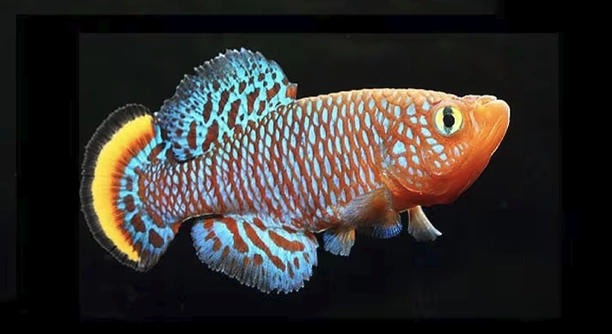
Killi fish are popular among aquarium enthusiasts for their vibrant colors and small size. Many fish owners wonder how these delicate creatures respond to modern lighting in their tanks. LED lighting has become common, but its effects on killi fish are still a concern for some.
Killi fish can handle LED lighting well when it mimics natural light conditions and is not too intense. Proper adjustment of light intensity and duration is essential to avoid stress and maintain their natural behavior and health in captivity.
Understanding the impact of LED lighting on killi fish will help keep your aquarium environment healthy and vibrant. The following details explain how to balance lighting for their well-being.
Understanding Killi Fish and Their Lighting Needs
Killi fish are small, vibrant freshwater fish that come from shaded and calm waters. In their natural habitats, they experience soft, filtered sunlight rather than bright, direct light. This means that when keeping killi fish in an aquarium, the lighting should try to replicate these conditions. Too much light can stress the fish, causing changes in behavior and even health problems. On the other hand, inadequate lighting can make it harder for the fish to show their natural colors. LED lighting has become popular because it is energy-efficient and produces less heat, which helps maintain a stable aquarium temperature. However, not all LEDs are created equal. Using adjustable LED lights with dimming options helps simulate dawn and dusk, creating a more natural environment for killi fish. Proper lighting schedules, such as 8 to 10 hours a day, allow the fish to rest and avoid overstimulation.
The right lighting balance supports the fish’s health and coloration while preventing stress.
LED lights provide an opportunity to create a comfortable habitat for killi fish by allowing precise control over intensity and timing.
How LED Lighting Affects Killi Fish Behavior
Killi fish respond quickly to changes in their environment, including lighting. When LED lights are too bright or left on for too long, the fish may hide more often or become less active. This behavior indicates stress or discomfort. In contrast, lighting that is too dim or inconsistent can confuse their internal clocks, disrupting feeding and breeding cycles. It is important to observe the fish’s reactions after adjusting lighting. Soft, indirect LED light can encourage natural swimming patterns and social interactions. Some LED systems come with color options that can enhance the appearance of the fish without causing harm. Gradually increasing or decreasing light intensity during on and off periods helps mimic natural conditions. This method reduces sudden shocks to the fish’s system and supports their overall well-being.
Adjusting LED lighting carefully can improve the comfort and activity levels of killi fish.
By paying attention to how your fish behave under different lighting conditions, you can tailor their environment for optimal health. Keeping light exposure consistent and avoiding sudden changes will help maintain their natural rhythms. Remember that other factors, such as water quality and tank setup, also play important roles in their happiness. Properly managed LED lighting is one step toward creating a stable and healthy aquarium that highlights the beauty of killi fish.
Choosing the Right LED Light for Killi Fish
Selecting an LED light for your killi fish tank requires attention to brightness and color temperature. Avoid lights that produce overly harsh or intense beams, as these can cause stress. A light with adjustable brightness settings is ideal.
LED lights with a color temperature between 5,000 and 7,000 Kelvin are suitable because they resemble natural daylight. This range helps to enhance the fish’s colors without overwhelming them. Some LED fixtures offer customizable color spectrums, allowing you to simulate sunrise and sunset, which supports the fish’s natural rhythms. When shopping, look for LEDs designed for freshwater aquariums, as these often have the right balance of intensity and spectrum. Proper installation and placement of the light fixture also matter; positioning the light above the tank, rather than at an angle, reduces glare and mimics natural sunlight better.
Testing different settings will help you find the best lighting environment that keeps your killi fish comfortable and vibrant.
Monitoring and Adjusting LED Lighting Over Time
Regular observation is key to ensuring the LED lighting continues to suit your killi fish. Changes in behavior, such as hiding more or fading colors, may indicate a need to adjust light intensity or duration. Be mindful that seasonal changes can affect natural light exposure, so your aquarium lighting schedule might need to change as well. Using timers for LED lights helps maintain consistency, which is important for the fish’s internal clock. Gradually adjust the lighting if you notice any signs of discomfort, rather than making sudden changes.
Keeping a log of lighting settings and fish behavior can be helpful. This practice allows you to track what works best over weeks or months and helps prevent recurring issues. Consistent lighting conditions contribute significantly to the health and longevity of killi fish in captivity. It is also important to remember that lighting is only one factor; water quality, tank plants, and hiding spaces all influence your fish’s well-being. Combining proper lighting with a well-maintained environment creates a balanced and thriving aquarium.
Common Lighting Mistakes to Avoid
Overexposing killi fish to bright LED lights can cause stress and reduce their activity. Avoid leaving the lights on for more than 10 hours a day. Sudden changes in lighting intensity should also be avoided to prevent shock.
Using LEDs without dimming options or color control can make it difficult to create a natural environment. Selecting the wrong color temperature may dull the fish’s colors or cause discomfort.
Benefits of Simulated Natural Light Cycles
Simulating natural light cycles with LED lighting supports killi fish’s health and behavior. Gradually increasing and decreasing light intensity mimics sunrise and sunset, helping regulate their internal biological clocks. This process reduces stress and encourages natural activity patterns, including feeding and breeding.
Maintaining consistent light schedules helps keep the aquarium environment stable, which is essential for these sensitive fish.
LED Lighting and Plant Growth in Killi Fish Tanks
LED lights that support plant growth can enhance the overall tank environment. Healthy plants provide hiding spots and improve water quality, benefiting killi fish. Choosing full-spectrum LED lights designed for freshwater plants helps create a balanced ecosystem within the aquarium.
Final Lighting Tips for Killi Fish
Avoid placing LED lights too close to the water surface to reduce glare. Combine lighting with shaded areas in the tank for fish comfort and natural behavior.
FAQ
Can Killi fish live under LED lights all day?
Killi fish should not be exposed to LED lighting all day. Continuous light can stress them and disrupt their natural cycles. Aim for about 8 to 10 hours of light daily, simulating a natural day-night rhythm. Using a timer helps maintain consistency, preventing overexposure.
Is LED lighting better than fluorescent lighting for killi fish?
LED lighting is generally better because it produces less heat, uses less energy, and offers more control over brightness and color temperature. Unlike fluorescent lights, LEDs can be dimmed and programmed for gradual changes, which better replicates natural light conditions for killi fish.
What color temperature is best for killi fish tanks?
A color temperature between 5,000 and 7,000 Kelvin is ideal. This range mimics natural daylight, enhancing the fish’s vibrant colors without causing stress. Avoid very cool (blueish) or very warm (yellowish) lights, as they may not show the fish at their best or could affect their behavior.
How can I tell if the LED lighting is stressing my killi fish?
Signs of stress include hiding more than usual, reduced activity, faded coloration, and changes in appetite. If you notice these behaviors, try lowering the light intensity or reducing the duration of exposure. Gradual adjustments are best to avoid sudden shock.
Can LED lighting help with killi fish breeding?
Yes. Proper lighting supports natural breeding behaviors by regulating the fish’s internal clocks. A consistent light schedule with gradual transitions between light and dark encourages spawning activity. Simulated dawn and dusk periods can also create a more comfortable environment for breeding.
Should I use colored LED lights for my killi fish?
Colored LED lights can enhance the appearance of your aquarium but use them cautiously. Bright, intense colors may stress the fish if overused. Soft, natural tones or subtle color changes that mimic natural lighting conditions are preferable to avoid disturbing their behavior.
Do plants in the tank affect how I should set up LED lighting?
Yes. If you have live plants, choosing full-spectrum LED lights that support plant growth is important. Healthy plants provide shelter and improve water quality, which benefits killi fish. Make sure the lighting meets both the plants’ and fish’s needs for a balanced environment.
How often should I replace my LED lights?
LED lights last longer than traditional bulbs, often up to 50,000 hours. However, their brightness and color spectrum can degrade over time. Replace LEDs every 2 to 3 years to ensure your killi fish get consistent, healthy lighting.
Can LED lighting cause algae growth in killi fish tanks?
Yes, excessive or poorly timed LED lighting can encourage algae growth. Keeping light periods to around 8-10 hours daily and avoiding overly intense light reduces this risk. Regular tank maintenance also helps control algae levels.
Is it necessary to have a dimming feature on LED lights?
While not strictly necessary, dimming features are very helpful. They allow gradual light changes that mimic natural conditions, reducing stress for killi fish. Dimming can also help you fine-tune the environment based on your fish’s reactions and tank setup.
Final Thoughts
LED lighting has become a popular choice for many aquarium owners because it offers efficiency and flexibility. When it comes to killi fish, the key is to create a lighting environment that mimics their natural habitat as closely as possible. Killi fish come from shaded, calm waters where light is soft and indirect. Using LED lights with adjustable brightness and color temperature can help replicate these conditions. It is important to avoid intense or constant lighting, which can cause stress and disrupt the fish’s natural behavior. Instead, aim for moderate light levels and a consistent daily schedule. This balance supports the fish’s health and helps them display their natural colors.
Maintaining the right lighting schedule is just as important as choosing the right type of LED light. Most killi fish do well with about 8 to 10 hours of light per day, similar to the length of daylight in their native environments. Using a timer to regulate the lighting ensures that the fish have a regular day-night cycle. Sudden changes in light intensity or duration should be avoided, as these can cause discomfort or stress. Observing the fish’s behavior is essential; if they appear to be hiding more, less active, or losing their vibrant color, adjusting the light intensity or timing may be necessary. Gradual changes are best, allowing the fish time to adjust without shock.
In addition to lighting, a well-maintained aquarium with proper water quality, suitable plants, and hiding spaces will improve the overall environment for killi fish. LED lights that support plant growth can add to the health of the tank, providing cover and natural filtration. Ultimately, LED lighting can be a great tool to create a comfortable and healthy space for killi fish when used thoughtfully. Taking time to monitor the lighting effects and making adjustments based on the fish’s needs will help ensure they thrive in captivity.

Hello,
If you enjoy the content that we create, please consider saying a "Thank You!" by leaving a tip.
Every little bit helps us continue crafting quality advice that supports the health, happiness, and well-being of pets around the world, for pets of all shapes, sizes, and species.
We really appreciate the kindness and support that you show us!