
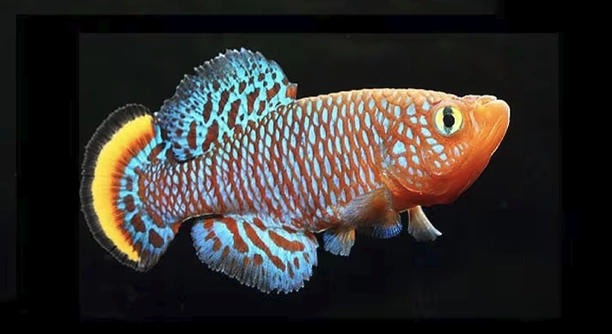
Killi fish are small, colorful fish popular in home aquariums. They often move quickly, darting around their tank in sudden bursts. Many fishkeepers notice this behavior and want to understand why it happens.
Killi fish dart erratically mainly due to environmental factors such as sudden changes in water temperature, stress from tank mates, or the presence of sudden movements around their habitat. These triggers cause the fish to react quickly for safety or comfort.
Learning about these causes can help you create a calmer environment for your killi fish. This article will explain what influences their darting behavior and how to manage it.
Common Causes of Erratic Darting in Killi Fish
Killi fish dart suddenly for several reasons, many tied to their natural instincts. One major cause is stress. Stress can come from changes in water conditions, such as shifts in temperature or pH levels. If the tank is too small or overcrowded, killi fish can feel threatened and react by darting. Another factor is their environment—loud noises, quick movements outside the tank, or bright lights can startle them. Sometimes, darting is a sign of excitement or curiosity, especially when they see food approaching. Finally, illness or parasites might cause erratic swimming as the fish try to shake off discomfort. Observing the tank conditions and the fish’s behavior closely helps in identifying the exact cause.
Keeping the tank clean and stable helps reduce stress and unwanted darting.
Proper care and attention to tank conditions greatly improve the behavior of killi fish, making them more comfortable and less likely to dart unpredictably.
How Tank Environment Impacts Behavior
Environmental changes can make killi fish uncomfortable and cause sudden darting.
Water quality is very important. Dirty or poorly filtered water increases stress. Killi fish are sensitive to changes in temperature, so keeping the water stable is key. They prefer calm water without strong currents. Tank decorations and plants provide hiding spots that make fish feel safe, which lowers erratic movements. Lighting should be soft and consistent; flashing or very bright lights can startle them. Tankmates also matter—aggressive or fast-moving fish nearby can cause killi fish to dart as they try to avoid conflict. Lastly, sudden noises or vibrations near the tank can trigger quick movements. By maintaining a calm, clean, and stable environment, killi fish will feel more secure and swim more naturally. This care helps keep their behavior steady and predictable.
Diet and Its Effect on Darting
Killi fish often become more active and dart around when they are hungry or during feeding time.
A well-balanced diet helps keep killi fish healthy and less prone to sudden movements caused by stress or discomfort. When food is introduced, their natural instinct is to dart quickly to catch it, which can seem erratic but is normal behavior. Feeding small amounts multiple times a day rather than one large meal can reduce frantic darting. Overfeeding or poor-quality food may lead to digestive issues, making the fish uncomfortable and more likely to swim erratically. A diet rich in live or frozen foods like brine shrimp or daphnia is best for maintaining energy and overall wellbeing.
Monitoring feeding habits and adjusting portions can improve your fish’s calmness and reduce their sudden bursts of speed.
Health Issues Linked to Erratic Swimming
Illness is a common reason for erratic darting in killi fish.
Parasites, bacterial infections, or swim bladder problems can cause fish to lose control over their movements. When sick, killi fish may dart more frequently or struggle to swim normally. It’s important to watch for other signs such as discoloration, clamped fins, or loss of appetite. Quarantining new fish before adding them to the tank helps prevent spreading diseases. Regular water changes and proper filtration reduce the risk of infections. If illness is suspected, treating the tank promptly with appropriate medication is necessary. Taking care of your fish’s health through clean water and good nutrition will keep them swimming smoothly and comfortably.
Tank Mates and Their Influence
Aggressive or fast-moving tank mates can cause killi fish to dart frequently.
Peaceful companions help keep killi fish calm and reduce sudden movements.
Lighting and Noise Effects
Bright or flickering lights and loud noises often startle killi fish, triggering erratic darting. Consistent, soft lighting and minimizing sudden sounds around the tank help maintain a stable environment. Avoid placing the tank near busy areas or loud appliances to reduce stress on the fish.
Signs of Stress in Killi Fish
Stress causes more than darting; it can lead to hiding, loss of appetite, and faded colors. Recognizing these signs early helps address the problem before it worsens.
Water Quality Tips
Regular water changes and testing keep water clean and balanced, reducing stress and erratic behavior in killi fish.
FAQ
Why does my killi fish dart suddenly without any obvious reason?
Killi fish can dart suddenly due to small changes you might not notice right away. It could be a slight shift in water temperature, a faint noise, or a shadow passing by the tank. These fish have sensitive instincts that react quickly to anything unusual, even if it seems minor to us.
How can I tell if the darting is normal or a sign of stress?
Normal darting often happens around feeding times or when the fish are exploring. Stress-related darting usually comes with other signs, like hiding more than usual, clamped fins, or changes in color. If your fish looks generally healthy and active aside from darting, it’s probably normal behavior.
Can water temperature affect killi fish behavior?
Yes, water temperature has a big impact on killi fish activity. If the temperature is too cold or too warm, they may become stressed and swim erratically. Keeping the water stable within their preferred range (around 72–78°F) helps reduce sudden darting.
What tank size is best to prevent erratic swimming?
Killi fish are small but still need enough space to swim comfortably. A tank that is at least 10 gallons for a small group allows room to explore without feeling crowded. Overcrowding can cause stress and lead to more darting as fish try to avoid each other.
Does feeding schedule affect darting behavior?
Yes, feeding affects how active killi fish are. Feeding them small amounts multiple times a day keeps them interested and less frantic. Irregular feeding or large meals may cause sudden bursts of speed as they compete or rush for food.
Are certain tank mates better to reduce darting?
Peaceful and slow-moving tank mates help keep killi fish calm. Avoid aggressive or very active species that might chase or startle them. Compatible companions create a stable environment where darting is less frequent.
Can illness cause erratic swimming in killi fish?
Yes, illnesses like parasites, bacterial infections, or swim bladder problems can cause erratic swimming. Watch for other symptoms like lethargy, loss of appetite, or unusual spots on the body. Early detection and treatment are important.
How often should I change the water to keep killi fish comfortable?
Changing 20–30% of the water weekly keeps the tank clean and stable. Good water quality reduces stress, which lowers sudden darting. Avoid changing too much water at once, as this can shock the fish.
Does lighting influence killi fish behavior?
Yes, harsh or flickering lights can startle killi fish, causing them to dart quickly. Use soft, consistent lighting and avoid sudden changes. Natural daylight or aquarium lights on timers work best.
What should I do if my killi fish keeps darting and seems stressed?
Check water quality, temperature, and tank mates first. Provide hiding spots like plants or decorations. Reduce noise and avoid sudden movements near the tank. If the behavior continues, consider consulting a vet or fish specialist to rule out illness.
Can darting behavior change as killi fish grow?
Killi fish may become calmer as they mature and get used to their environment. Younger fish tend to be more active and dart more often. Providing a stable environment helps them settle over time.
Is it normal for killi fish to dart when introducing new decorations or plants?
Yes, changes in the tank can make killi fish nervous at first. They may dart more as they explore new objects. Over time, they usually adjust and become less jumpy. Introducing new items slowly helps reduce stress.
How do I know if darting is caused by tank mates?
If darting increases right after adding new fish or if aggressive behavior is visible, tank mates might be the cause. Observing interactions closely can help identify if any fish are causing stress or chasing the killi fish.
Are there specific types of food that reduce erratic swimming?
Feeding high-quality live or frozen foods like brine shrimp or daphnia gives killi fish the nutrients they need and encourages natural behavior. Avoid overfeeding or low-quality flakes that can upset their digestion and cause discomfort.
Can sudden noises outside the tank really affect killi fish?
Yes, loud or sudden noises can startle killi fish, making them dart erratically. Keeping the tank in a quiet area or using a tank cover to block some sound can help reduce this stress.
What signs show that a killi fish is happy and comfortable?
Calm swimming, exploring the tank, bright colors, and regular eating habits all show comfort. Less darting, except during feeding, is a good sign your fish feels safe in its environment.
Killi fish are small, lively creatures that bring a lot of energy to an aquarium. Their sudden darting movements can sometimes be puzzling or worrying for fishkeepers. Understanding the reasons behind this behavior is important for creating a healthy and calm environment. Darting is often a natural response to certain triggers like changes in water conditions, the presence of other fish, or sudden noises. While it can be a sign of excitement or curiosity, it can also indicate stress or health issues. Recognizing these causes helps fishkeepers respond appropriately to keep their killi fish comfortable.
Maintaining a stable tank environment is key to reducing erratic darting. This includes keeping the water clean and within the right temperature range, choosing compatible tank mates, and providing plenty of hiding places. Lighting and noise also play a big role—soft lighting and a quiet space help keep the fish calm. Feeding habits impact behavior too; feeding smaller amounts multiple times a day helps prevent frantic darting around meal times. By paying attention to these details, fishkeepers can often prevent or lessen sudden darting, leading to a more peaceful tank.
If darting persists or is accompanied by signs of illness like discoloration or loss of appetite, it’s important to act quickly. Illness can cause discomfort and unusual swimming patterns. Regular water changes and quarantine for new fish are good preventive steps. Overall, caring for killi fish means observing their behavior closely and adjusting their environment when needed. With proper care, these vibrant little fish can thrive and swim confidently, giving you a rewarding experience as their caretaker.

Hello,
If you enjoy the content that we create, please consider saying a "Thank You!" by leaving a tip.
Every little bit helps us continue crafting quality advice that supports the health, happiness, and well-being of pets around the world, for pets of all shapes, sizes, and species.
We really appreciate the kindness and support that you show us!