
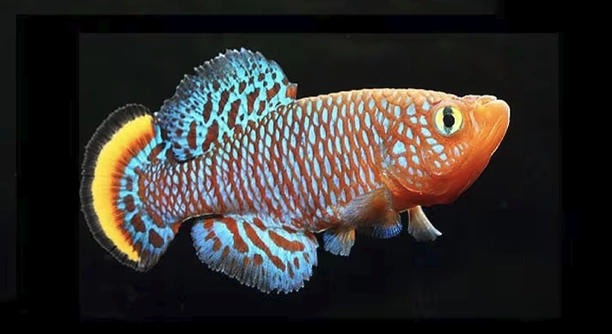
Breeding killifish, or killis, is a rewarding hobby that requires careful preparation. Many enthusiasts find that understanding key aspects before starting helps avoid common pitfalls and ensures healthier, thriving fish. This article highlights important factors to keep in mind.
Before breeding killis, it is crucial to consider tank setup, water conditions, species compatibility, diet, breeding methods, egg care, and patience. These elements directly impact the success and well-being of both the adults and their offspring.
Knowing these basics will help you create the right environment and care plan for your killis, leading to a more successful breeding experience.
Tank Setup and Environment
Creating the right tank environment is the first step before breeding killis. A small breeding tank with a secure lid helps control conditions better. Many killis prefer soft, slightly acidic water, so testing your water parameters is important. Plants and spawning mops provide places for eggs to attach, which is crucial for some species. Keep the tank clean and free from aggressive tank mates that may harm the fry or adults. Maintaining stable temperature, usually around 72-75°F (22-24°C), helps encourage breeding. Lighting should be gentle and consistent. Using peat filtration or adding tannins can mimic their natural habitat, improving breeding chances. The tank size should be adequate but not too large to keep fish comfortable and reduce stress. Taking time to prepare the environment reduces surprises and helps the fish stay healthy throughout the breeding process.
A well-prepared tank minimizes stress and supports healthy breeding conditions for killis.
Proper tank setup directly influences fish behavior and egg survival rates. Ensuring hiding spots and proper water chemistry encourages natural spawning. Avoid sudden changes in temperature or water quality, as killis can be sensitive. Regular maintenance and gentle water changes help maintain stability. Using breeding nets or separators can protect eggs and fry from adult fish. When introducing killis to the breeding tank, observe their interactions closely for signs of aggression or stress. These details matter in supporting successful spawning and fry development. Setting up your tank thoughtfully means fewer problems and a higher chance of raising healthy baby killis.
Understanding Killifish Breeding Methods
Killifish breeding methods vary by species but generally fall into two categories: annual and non-annual breeders. Annual killis lay eggs in dry substrate, where the eggs enter diapause (a resting stage) and hatch after a drying period. Non-annual killis deposit eggs directly in water, often attaching them to plants or spawning mops. Knowing the species-specific method helps in providing proper care and timing. Some killis require their eggs to be removed and incubated separately, while others need minimal intervention. Breeding methods also influence how you manage the tank environment and feeding routines. Understanding these differences helps prevent mistakes and increases breeding success.
Annual killifish eggs need a drying period before hatching, unlike non-annual types that hatch in water.
Breeding killis requires careful observation and patience to match their natural reproductive cycle. For annual species, collecting eggs and storing them in moist peat or moss mimics their natural dry-season habitat. This process may last several weeks, after which eggs are placed back in water to hatch. Non-annual killis need a stable aquatic environment where eggs develop and hatch without removal. Feeding high-quality live or frozen foods supports conditioning and spawning readiness. Each breeding method comes with its own challenges and rewards, so knowing your killifish type is essential for successful reproduction and healthy fry growth.
Water Conditions and Quality
Stable water conditions are essential for killifish breeding. Sudden changes in pH or hardness can stress the fish and reduce spawning success.
Maintaining clean, soft, and slightly acidic water closely resembles the natural habitat of many killis. Frequent water testing ensures parameters stay within a safe range, typically pH 6.0–7.0 and low to moderate hardness. Using gentle filtration methods helps avoid disturbing eggs or fry. Water temperature should be consistent, around 72–75°F (22–24°C). Regular partial water changes keep nitrate levels low and prevent buildup of harmful substances. Avoid using chemicals or treatments that could harm sensitive eggs or fry.
Good water quality encourages natural breeding behavior and supports egg development. Keep water stable and free from sudden shifts to reduce stress. Using dechlorinated or conditioned water is important. Observing fish for signs of discomfort or illness helps catch issues early. Clean water promotes stronger, healthier fry and improves survival rates in the long term.
Diet and Nutrition
A varied diet rich in live or frozen foods helps condition killifish for breeding. High-quality nutrition improves their health and spawning readiness.
Feeding killis small live foods such as daphnia, brine shrimp, or mosquito larvae stimulates natural behavior and improves fertility. Supplementing with frozen or prepared foods can maintain variety and meet nutritional needs. Adults should be fed multiple times daily in small amounts to avoid overfeeding and water pollution. Conditioning the fish for several weeks before breeding increases the chances of successful spawning and healthy eggs. Proper nutrition also helps the fish recover after breeding events and supports fry development.
Offering a well-balanced diet ensures fish have the energy and vitality needed for reproduction. Neglecting diet quality can result in poor egg production and weak offspring. Monitoring feeding habits helps adjust amounts and types of food based on fish condition. A strong diet forms the foundation for a successful breeding setup and healthier killifish overall.
Species Compatibility
Not all killis breed well together. Some species are aggressive or territorial during spawning.
Keeping compatible pairs or groups prevents stress and injury. Research your species to understand their social behavior before pairing them.
Egg Care and Incubation
Egg care depends on the species and breeding method. Annual killifish eggs often require drying and moist storage, while non-annual eggs stay in water. Proper incubation temperature and humidity levels influence hatching success. Handling eggs gently and monitoring them regularly help prevent fungus or damage. Removing adults after spawning protects eggs from being eaten. Using peat moss or sponge filters can improve incubation conditions. Timing and patience are key, as hatching may take weeks. Following the right care routine ensures higher fry survival rates and healthier young killifish.
Patience Is Essential
Breeding killis takes time and careful observation. Patience helps you learn what your fish need.
FAQ
How long does it take for killifish eggs to hatch?
The hatching time depends on the species and breeding method. For annual killifish, eggs usually take between 2 to 4 weeks in moist peat moss before hatching. Non-annual killifish eggs often hatch within 1 to 2 weeks while still submerged in water. Temperature plays a significant role: warmer water speeds up development, while cooler water slows it down. Monitoring the eggs regularly is important to avoid fungus or decay. Patience is key, as rushing this process can harm the eggs or fry.
Can I breed killifish in a community tank?
Breeding killifish in a community tank is generally not recommended. Killis can be territorial, especially during spawning, which may stress or harm other fish. Additionally, many species will eat their eggs and fry if given the chance. A dedicated breeding tank provides a controlled environment, reducing risk and increasing success. Keeping killis separate during breeding protects eggs and allows better monitoring of water conditions and fish health.
What is the best temperature for breeding killifish?
Most killifish breed best at temperatures between 72°F and 75°F (22°C to 24°C). Maintaining stable temperature is crucial, as fluctuations can stress the fish and delay spawning. Some species may tolerate slightly different ranges, but keeping a consistent temperature encourages natural breeding behavior. Using a reliable aquarium heater and thermometer helps maintain these conditions. Avoid sudden changes, especially during egg incubation or fry development.
How do I know when killifish are ready to breed?
Killifish typically show readiness to breed when males become more colorful and active, and females develop a fuller belly indicating mature eggs. During this time, they may chase each other or perform courtship displays. Proper conditioning with a good diet and stable water conditions usually triggers these changes. It’s important to separate breeding pairs or groups once these signs appear to increase the chances of successful spawning.
Do killifish require special food to breed?
Feeding live or frozen foods like brine shrimp, daphnia, or mosquito larvae helps condition killifish for breeding. These high-protein foods improve fish health and stimulate spawning behavior. Supplementing with good-quality prepared foods maintains a balanced diet but should not replace live foods entirely during conditioning. Feeding small amounts multiple times a day encourages fish to stay active and healthy, preparing them better for reproduction.
How can I prevent fungus on killifish eggs?
Fungus is a common problem for killifish eggs, especially in water. Using antifungal treatments safe for eggs can help but should be done carefully. Frequent gentle water changes and proper filtration improve water quality, reducing fungus risk. Removing eggs from the breeding tank and incubating them in moist peat moss or in clean water with low flow helps protect them. Maintaining good hygiene by cleaning the tank and equipment also reduces fungal spores.
What should I do if the fry are not eating?
Newborn killifish fry may not eat immediately and can survive on their yolk sacs for a few days. After that, offering very small live foods like newly hatched brine shrimp or infusoria encourages feeding. It’s important to provide the right size and type of food, as fry can only eat very tiny particles at first. Keeping water clean and stable supports their health during this delicate stage. Patience and persistence are needed to help fry transition to eating properly.
Is it necessary to remove adults after spawning?
Removing adults after spawning is usually recommended to protect eggs and fry from being eaten. Many killifish species do not exhibit parental care and may consume their offspring. Separating adults also reduces stress on the fry and prevents aggression. Using breeding tanks or nets allows easy removal of adults once spawning is complete. This step increases the survival rate of the young fish and improves overall breeding success.
Can killifish breed multiple times a year?
Killifish can breed multiple times annually under the right conditions. Providing consistent water quality, temperature, and diet helps maintain their reproductive cycle. Annual species have specific cycles linked to dry and wet seasons, but in captivity, with stable environments, they may breed more frequently. Non-annual species often spawn repeatedly without needing a drying period. Regular monitoring and care ensure fish remain healthy throughout repeated breeding cycles.
What are the common mistakes to avoid when breeding killifish?
Common mistakes include poor water quality, incompatible tank mates, and improper egg care. Neglecting diet or sudden changes in temperature can stress fish and reduce spawning. Allowing adults to stay with eggs or fry often results in lost offspring. Using the wrong substrate or failing to mimic natural conditions lowers success rates. Avoiding these errors by careful preparation and observation improves breeding outcomes and fish health.
Final Thoughts
Breeding killifish can be a rewarding experience, but it requires careful attention and preparation. Understanding the needs of your killis, such as tank setup, water conditions, and diet, is important to create a healthy environment. Each species has its own preferences and requirements, so taking time to learn about them helps avoid common problems. Simple steps like maintaining stable water parameters and feeding quality food make a big difference in encouraging natural breeding behavior. It is also important to keep the breeding tank clean and safe, protecting eggs and fry from harm.
Patience plays a key role in breeding killifish. The process can take time, and success may not happen immediately. Eggs sometimes need special care, like drying for annual killis, or gentle incubation in water for non-annual species. Watching the fish closely and adjusting care as needed improves the chances of healthy offspring. It is normal to face challenges such as fungus on eggs or fry not eating at first. With steady observation and care, these issues can be managed. Remembering that killifish are sensitive to sudden changes helps keep stress low, which supports better breeding results.
Overall, breeding killifish is about creating the right conditions and learning as you go. It involves a mix of knowledge, care, and patience. While it might seem complicated at first, breaking the process into manageable steps makes it easier to handle. Many hobbyists find it fulfilling to watch their killis grow and develop from eggs to lively adults. By focusing on proper environment, nutrition, and gentle handling, you increase the likelihood of success. Taking time to understand your fish and their needs will make breeding killifish a more enjoyable and rewarding experience.

Hello,
If you enjoy the content that we create, please consider saying a "Thank You!" by leaving a tip.
Every little bit helps us continue crafting quality advice that supports the health, happiness, and well-being of pets around the world, for pets of all shapes, sizes, and species.
We really appreciate the kindness and support that you show us!