
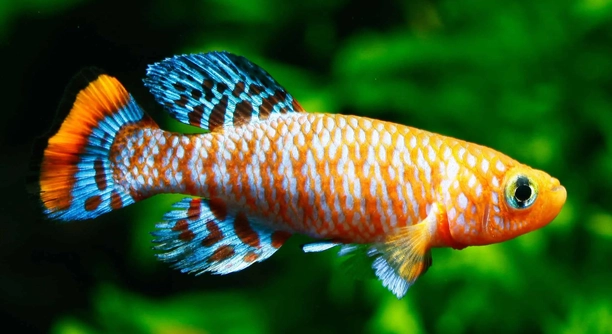
Killi fish are popular pets because of their bright colors and lively behavior. Many owners enjoy watching their unique patterns and vibrant shades. However, sometimes these fish may look different, which can be worrying for their caretakers.
Killi fish can change color when they are sick due to stress, illness, or poor water conditions. These changes often include fading, dullness, or unusual darkening, signaling that the fish may need immediate attention to recover.
Recognizing these color changes early can help keep your fish healthy and prevent serious problems in your aquarium.
Why Killi Fish Change Color When Sick
When killi fish get sick, their color often changes as a response to stress or illness. This can happen because their immune system is weak, or the water they live in is not clean enough. Poor water quality causes stress, which makes their colors fade or become dull. Sometimes, specific diseases affect the skin or scales, causing spots or patches that look different. Lack of proper nutrition can also make their bright colors less vivid. Stress from overcrowding or sudden changes in the tank environment may cause the fish to darken or lose color. These color changes are signals that something is wrong, so it’s important to observe your fish closely. Quick action can help your fish recover and regain their natural beauty. Maintaining stable water conditions and feeding quality food can reduce the chances of color change due to sickness.
Color changes are often one of the first signs that a killi fish is unwell.
Knowing what causes these changes helps in giving the right care to your fish and keeping them healthy longer.
Common Diseases That Affect Killi Fish Color
Many diseases can cause killi fish to change color. Parasites and bacterial infections are the most frequent. For example, ich is a common parasite that causes white spots and fading color. Bacterial infections may cause red streaks or patches and dullness. Fungal infections can also make the fish’s skin look cloudy or discolored. These illnesses often come from poor water quality or introducing new fish without quarantine. Sometimes, stress lowers the fish’s ability to fight disease, making color changes worse. Knowing the signs and treating the disease quickly is essential. Using medicine designed for fish and improving tank cleanliness will help the fish heal. Prevention is better than cure, so keeping the tank clean and stable keeps the fish’s colors bright.
Proper diagnosis is important because color change alone does not identify the disease.
Treating the right illness ensures faster recovery and protects other fish in the tank.
How Stress Affects Killi Fish Color
Stress causes killi fish to lose their bright colors quickly. Changes in water temperature, overcrowding, or sudden noise can all create stress. When stressed, the fish’s body produces hormones that dull its colors as a defense mechanism.
Stress weakens the immune system, making fish more vulnerable to diseases and infections. In many cases, stressed fish stop eating well, which further impacts their color and health. Water quality is often a main cause of stress, so regular cleaning and monitoring of water parameters are important. Even small changes in the tank environment can affect sensitive killi fish.
Reducing stress by keeping stable water conditions, avoiding overcrowding, and minimizing sudden movements or loud noises will help maintain their vivid colors. Creating a calm, consistent environment is one of the best ways to support your fish’s health and color.
Tips to Help Killi Fish Regain Their Color
Providing a balanced diet rich in vitamins and carotenoids supports color recovery in sick killi fish. High-quality foods with natural pigments help restore brightness and vibrancy over time. Avoid overfeeding, as poor digestion can add stress.
Improving tank conditions is essential. Perform regular water changes and test the water to keep it clean and balanced. Make sure the tank is not overcrowded and maintain proper temperature and pH levels. Reducing stressors and treating any diseases promptly will allow your fish’s color to improve naturally. Patience is important because recovery takes time, but with good care, their colors can return to normal.
Recognizing Early Signs of Illness
Color change is often one of the earliest signs that a killi fish is sick. Other symptoms include sluggish swimming, loss of appetite, and clamped fins. Observing these signs helps catch illness before it worsens.
Early detection means treatment can start sooner, improving the chances of recovery. Watching your fish daily makes it easier to notice subtle changes that indicate health problems.
Maintaining Proper Water Quality
Keeping water clean and stable is key to preventing sickness and color fading. Regular water tests and partial changes remove harmful chemicals and keep conditions ideal. Proper filtration and avoiding overcrowding help maintain balance.
Avoiding Common Stress Triggers
Avoid sudden temperature changes and loud noises around the tank. These stressors cause color loss and weaken fish immunity. Keeping a calm environment supports healthy, vibrant fish.
Importance of a Balanced Diet
Feeding high-quality, varied food supports strong color and good health. A balanced diet boosts the immune system and helps fish recover from illness.
Do killi fish always change color when they are sick?
No, killi fish do not always change color when they are sick, but it is a common symptom. Sometimes, illness shows in behavior changes or physical signs like spots or clamped fins instead. Color change depends on the type of illness and how stressed the fish is.
How quickly do killi fish change color when sick?
Color changes can happen within a few hours to several days after sickness begins. Stress or sudden water quality problems cause faster changes. Slowly developing illnesses may cause gradual color fading over time. Watching your fish closely helps spot early changes.
Can poor water quality alone cause color changes?
Yes, poor water quality is a major cause of color changes in killi fish. High ammonia, nitrite, or nitrate levels can stress fish, leading to dull or darkened colors. Keeping water clean and testing regularly prevents these problems and keeps colors bright.
Will improving tank conditions restore their color?
Improving tank conditions often helps fish regain their natural color if illness is mild or caught early. Clean water, stable temperature, and proper nutrition support recovery. Severe or untreated diseases may cause lasting damage, making color restoration difficult.
Are some killi fish species more prone to color change than others?
Yes, some species have more vibrant and sensitive coloring that reacts quickly to stress or illness. Others may show less visible changes. Knowing your specific killi species’ normal color range helps identify unusual changes.
Can diet affect killi fish color?
Absolutely. A poor diet lacking vitamins and natural pigments causes dull, faded colors. Foods rich in carotenoids and vitamins enhance color vibrancy. Regular feeding of varied, high-quality food supports overall health and bright appearance.
What should I do if I notice my killi fish changing color?
First, check water quality and tank conditions to eliminate stress factors. Look for other illness signs like unusual behavior or spots. Quarantine sick fish if possible and consider appropriate treatment depending on symptoms. Acting quickly improves recovery chances.
Is color change always a sign of sickness, or can it be natural?
Not all color changes mean sickness. Some killi fish naturally change color during breeding, stress-free mood shifts, or aging. Distinguishing between normal changes and signs of illness is important by observing behavior and tank environment.
How can I reduce stress to prevent color changes?
Keep stable water parameters, avoid overcrowding, and minimize sudden noise or movements near the tank. Providing hiding spots and proper lighting also helps fish feel safe. Less stress means stronger immune systems and brighter colors.
Are there medications to help restore color in sick killi fish?
Medications treat the underlying disease but do not directly restore color. Once the illness is cured and stress reduced, colors usually return naturally. Avoid using unnecessary medications, and always follow dosage instructions carefully.
Can tank mates affect my killi fish’s color?
Yes, aggressive or territorial tank mates cause stress, leading to color fading. Choosing compatible species and providing enough space reduces stress and helps maintain vibrant colors.
How often should I test my tank water to prevent color change?
Test water weekly or more often if problems arise. Regular checks of ammonia, nitrite, nitrate, pH, and temperature keep the environment safe. Early detection of water issues prevents stress-related color changes.
Do temperature changes affect killi fish color?
Sudden or extreme temperature changes cause stress and can dull colors. Maintaining a stable temperature suited for your killi species helps keep their color bright and health strong.
Is it normal for killi fish color to fade with age?
Some fading can occur naturally as fish age, but significant dulling may signal health issues. Monitor older fish closely for other illness signs to ensure they remain healthy.
How long does it take for color to return after treatment?
Color recovery time varies from days to weeks depending on illness severity and care quality. Patience and consistent tank maintenance are key to full color restoration.
Can lighting affect the appearance of killi fish color?
Yes, good lighting enhances the visibility of vibrant colors. Poor or unnatural lighting may make colors look dull or washed out, even if the fish is healthy.
Should I isolate a killi fish showing color changes?
Isolating a sick fish helps prevent disease spread and reduces stress from tank mates. Use a quarantine tank if possible and monitor for further symptoms before returning it to the main tank.
Can stress alone cause permanent color changes?
Long-term or repeated stress may lead to lasting color dullness. Minimizing stress through proper care and environment is essential for maintaining vibrant, healthy fish.
Are there any supplements to enhance killi fish color?
Certain supplements added to food can boost coloration by providing pigments like carotenoids. Use them carefully and not as a replacement for balanced nutrition and good care.
What role does genetics play in killi fish color changes?
Genetics determine the natural color range and intensity of killi fish. Some individuals may be more prone to color fading or stress-related changes due to their genetic makeup.
Can handling killi fish cause color changes?
Handling causes stress that can temporarily dull their color. Avoid frequent handling and use gentle methods during tank maintenance or health checks.
How can I tell if the color change is due to breeding?
Breeding color changes often involve brightening or pattern shifts and usually occur alongside mating behavior. Unlike sickness, the fish remain active and healthy during this time.
Does tank size affect killi fish color?
Small or overcrowded tanks cause stress and poor water quality, leading to faded colors. Providing enough space promotes well-being and brighter coloration.
Can poor oxygen levels cause color changes?
Low oxygen stresses fish, causing dull or darkened colors. Proper aeration and avoiding overstocking help maintain healthy oxygen levels.
Are there any natural remedies to help color recovery?
Natural remedies like adding aquarium plants and using water conditioners improve tank conditions and reduce stress, aiding color recovery. However, they do not replace proper medical treatment.
How important is routine observation for maintaining killi fish color?
Daily observation helps catch early signs of illness or stress, including color changes. Prompt action based on these observations improves health outcomes and keeps fish looking their best.
Can age-related diseases cause color changes?
Yes, diseases that affect older fish can cause color loss or patches. Regular health checks are important for aging killi fish to manage these issues promptly.
Killi fish are beautiful creatures known for their bright and varied colors. When their color changes, it can be a sign that something is wrong. Many factors affect their color, including illness, stress, water quality, and diet. Understanding why killi fish change color helps owners take better care of them. Paying attention to the fish’s appearance and behavior is important because early signs of sickness are easier to treat. When colors fade or darken, it usually means the fish is under stress or not feeling well. This can be caused by poor water conditions, overcrowding, or disease. By keeping their environment clean and stable, owners can prevent many issues before they start.
It is also important to remember that not all color changes are a cause for alarm. Killi fish sometimes change color naturally during breeding or as part of their normal life cycle. However, if the change happens quickly or is accompanied by other signs like lethargy, loss of appetite, or unusual spots, it likely means the fish needs attention. Regular water testing, proper feeding, and reducing stress are key to keeping killi fish healthy and colorful. Using quality fish food rich in vitamins and pigments can help them regain their bright appearance if they have lost color. Avoiding sudden changes in temperature or noise will also keep stress low and colors vibrant.
Taking care of killi fish requires patience and observation. Sometimes, it takes time for their color to return after illness or stress. Providing a good environment, healthy food, and prompt treatment for any sickness are the best ways to support your fish. Watching them closely and responding quickly to any changes will help maintain their health and beauty. With the right care, killi fish can stay colorful and lively for a long time. Keeping them comfortable and safe is the best way to enjoy their unique and beautiful colors every day.

Hello,
If you enjoy the content that we create, please consider saying a "Thank You!" by leaving a tip.
Every little bit helps us continue crafting quality advice that supports the health, happiness, and well-being of pets around the world, for pets of all shapes, sizes, and species.
We really appreciate the kindness and support that you show us!