
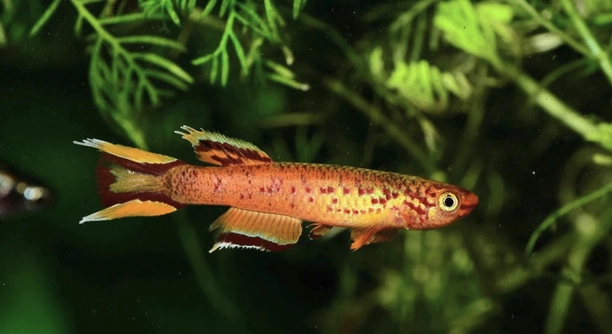
Killi fish are popular for their bright colors and small size. Many keepers wonder whether these fish need flowing water or prefer still conditions in their tanks. Understanding their natural habitat helps in creating a suitable environment for them.
Killi fish thrive best in slow-moving or still water environments that mimic their natural habitats. Strong water flow can stress them, while gentle circulation supports oxygenation without disturbing their comfort. Maintaining low to moderate flow ensures their health and well-being.
Knowing how water movement affects killi fish can improve tank setup and care. The following details will help you create a balanced and healthy home for your fish.
Natural Habitat of Killi Fish
Killi fish are native to slow-moving waters such as ponds, small streams, and marshes. These environments typically have little to no current, allowing the fish to swim gently without fighting strong water flow. The plants and debris in their natural habitat create calm areas where they can rest and hunt for food. When replicating these conditions at home, it is important to avoid strong filtration systems that create fast currents. Instead, a sponge filter or a gentle hang-on-back filter with adjustable flow works well. This setup provides enough water movement to keep the tank clean and oxygenated without stressing the fish. Observing their behavior can also help—if they seem to struggle against the current or hide excessively, the flow might be too strong. Mimicking their native environment ensures the killi fish remain comfortable and healthy in captivity.
Water flow in killi fish tanks should be minimal and carefully controlled to replicate their natural habitat effectively.
Providing gentle water movement supports oxygen levels while allowing the fish to swim calmly and reduce stress.
Effects of Strong Water Flow on Killi Fish
Killi fish exposed to strong water currents may show signs of stress, including erratic swimming, hiding, and reduced feeding. Their small size and delicate bodies are not built to handle turbulent water. Strong flow can also disrupt their ability to lay eggs properly, as they prefer calm areas for breeding. In a tank with fast-moving water, they may expend unnecessary energy fighting the current, which can weaken their immune system over time. This stress may lead to higher susceptibility to diseases. It is essential to monitor the flow rate and adjust the filter or use flow diffusers to slow down the water movement. Maintaining a calm environment helps them display natural behaviors, such as leisurely swimming and exploring their surroundings, which contributes to their overall well-being. Tank decorations like plants and driftwood can also provide shelter and break the flow, creating quiet zones within the aquarium.
Ideal Tank Setup for Killi Fish
A tank with low water flow is best suited for killi fish. Gentle filtration and plenty of hiding spots help them feel secure and reduce stress.
Using a sponge filter or an adjustable filter with flow control creates a calm environment. Plants, rocks, and driftwood provide cover and help break any current. This setup mimics their natural habitat well, encouraging natural behavior. It also helps maintain water quality without overwhelming the fish. Keeping the water clean with minimal disturbance supports their health and longevity. Regular tank maintenance combined with a gentle water flow offers the best conditions for killi fish to thrive in captivity.
Careful placement of decorations helps reduce current and provides resting places. These elements contribute to a balanced tank where killi fish can swim comfortably without fighting strong water movement.
Monitoring and Adjusting Water Flow
Regular observation is key to ensuring the flow suits the killi fish. Watch for signs of distress such as constant hiding or struggling to swim.
Adjust the filter flow gradually if the fish seem uncomfortable. Adding flow deflectors or rearranging plants can reduce strong currents. Monitoring helps maintain a balance between proper oxygenation and a calm environment. Too little flow might reduce water quality, so regular water changes and filtration upkeep are essential. The goal is a gentle, consistent flow that supports tank health without causing stress to the fish. Taking these steps promotes a stable environment where killi fish feel safe and active.
Water Quality and Flow Balance
Maintaining good water quality is essential for killi fish health. Proper filtration and regular water changes help keep the tank clean.
Balancing flow is important. Too much movement can stress the fish, while too little may lead to poor water conditions. Finding the right balance supports their well-being.
Recommended Filtration Systems
Sponge filters are ideal for killi fish tanks because they provide gentle filtration without creating strong currents. They also promote beneficial bacteria growth, which helps maintain water quality. Hang-on-back filters with adjustable flow can work if set to low speed. Avoid powerful filters that cause fast water movement. Using filter outlets with flow diffusers or directing the flow toward tank walls reduces current strength. This setup keeps water clean and oxygenated without disturbing the fish. Selecting the right filtration system is crucial to maintaining a healthy environment that fits killi fish needs.
Signs of Stress From Flow
Killi fish may become lethargic or hide excessively if water flow is too strong.
FAQ
Do killi fish need strong water flow?
Killi fish do not require strong water flow. In fact, strong currents can cause them stress and fatigue. They are adapted to slow-moving or still water environments, so it is best to keep water movement gentle to mimic their natural habitats. A calm tank allows them to swim comfortably and behave naturally.
Can killi fish live in completely still water?
While killi fish prefer slow or still water, completely stagnant water is not ideal. Some water movement is necessary to maintain oxygen levels and prevent waste buildup. Gentle filtration or regular water changes help maintain water quality without disturbing the fish.
What kind of filter is best for killi fish?
Sponge filters are often recommended because they provide mild water movement and good biological filtration. Adjustable hang-on-back filters can work if set to low flow. Avoid strong power filters that create fast currents, as these can stress the fish.
How can I reduce strong water flow in my tank?
You can reduce strong flow by adjusting your filter’s output or using flow diffusers to disperse water gently. Rearranging tank decorations like plants and driftwood can also help break the current and create calmer areas.
Will strong water flow affect breeding?
Yes, strong currents can interfere with breeding behavior. Killi fish usually lay eggs in sheltered, calm areas. High flow can wash eggs away or discourage spawning. Maintaining gentle water movement encourages natural breeding activities.
How do I know if my killi fish is stressed by the water flow?
Signs of stress include hiding constantly, erratic swimming, or reduced appetite. If the fish struggles to swim against the current or stays mostly at the bottom or corners, the flow might be too strong.
Can plants help manage water flow?
Yes, live or artificial plants can slow down water currents by breaking up flow patterns. They also provide hiding spots, which reduce stress and create natural zones where fish can rest.
Is water temperature affected by flow?
Water flow itself does not change temperature, but it helps distribute heat evenly throughout the tank. This ensures the fish experience consistent conditions, which is important for their health.
How often should I clean the filter in a killi fish tank?
Filters should be cleaned regularly but not too thoroughly to avoid removing beneficial bacteria. Cleaning every two to four weeks is common, depending on tank size and bioload. Regular maintenance keeps water quality high without disturbing fish comfort.
What else can I do to create a comfortable environment for killi fish?
Besides controlling water flow, maintain stable water parameters, provide plenty of hiding places, and avoid sudden changes. Regular feeding and careful monitoring support their overall well-being and longevity.
This FAQ covers common concerns about water flow and killi fish care. Adjusting flow carefully and maintaining a calm tank environment are key to keeping your fish healthy and happy.
Final Thoughts
Killi fish are delicate creatures that thrive in environments similar to their natural habitats. Providing slow or still water with gentle flow is important for their comfort and health. Strong water currents can stress them out and make it difficult for them to swim or breed. Keeping the water movement calm helps the fish use their energy wisely and display natural behavior. Observing your killi fish regularly will give you clues about whether the water flow is suitable or needs adjustment. If they seem stressed or constantly hide, it is likely time to reduce the flow or rearrange decorations to create calmer areas.
Setting up a tank that suits killi fish means balancing water flow with good filtration and water quality. Using sponge filters or low-flow hang-on-back filters works best because they keep the water clean without creating strong currents. Adding plants, rocks, or driftwood can break the flow and provide hiding spots, which the fish appreciate. These elements mimic the ponds and streams where killi fish live in the wild. Regular tank maintenance, including water changes and gentle cleaning, supports a healthy environment. When the water is clear, oxygenated, and calm, killi fish can live longer and behave more naturally.
Ultimately, caring for killi fish requires attention to their specific needs, including the right water flow. It is a balance between providing enough circulation to maintain water quality and keeping conditions calm to reduce stress. Taking the time to observe and adjust the tank setup will make a noticeable difference in their behavior and well-being. Killi fish benefit from a peaceful aquarium that respects their natural preferences. By creating such an environment, you help your fish thrive and enjoy a healthier life in captivity.

Hello,
If you enjoy the content that we create, please consider saying a "Thank You!" by leaving a tip.
Every little bit helps us continue crafting quality advice that supports the health, happiness, and well-being of pets around the world, for pets of all shapes, sizes, and species.
We really appreciate the kindness and support that you show us!