
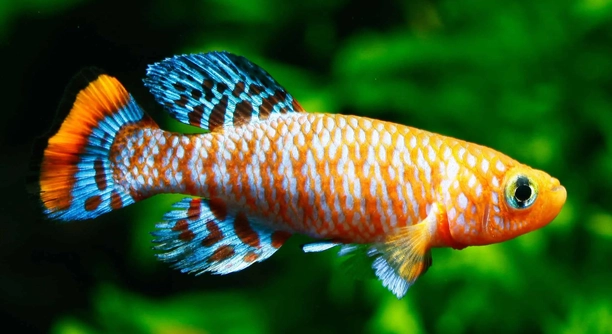
Many aquarium owners notice their killifish flaring its gills, which can be puzzling. This behavior often signals a response to the fish’s environment or health. Understanding why this happens can help maintain a healthy tank and happy fish.
Gill flaring in killifish is primarily a reaction to stressors such as poor water quality, territorial disputes, or breathing difficulties caused by low oxygen levels. It serves as a defensive or respiratory mechanism to cope with these challenges.
Recognizing the reasons behind gill flaring can help improve your killifish’s well-being and prevent future problems in your aquarium setup.
Common Causes of Gill Flaring in Killifish
Gill flaring often indicates your killifish is reacting to its environment. One common cause is poor water quality. High levels of ammonia, nitrites, or nitrates stress the fish and can damage their gills. Another reason is low oxygen levels in the water, forcing the fish to work harder to breathe. Aggression or territorial behavior can also lead to gill flaring. Killifish may flare their gills to appear larger and intimidate others nearby. Sometimes, parasites or infections cause irritation, prompting this behavior as well. Identifying the exact reason requires checking water parameters regularly and observing fish interactions closely. Keeping the tank clean and properly maintained reduces stress and helps prevent gill flaring. Adjusting tank mates and providing enough space can minimize aggression too.
Poor water conditions and stress are leading triggers for gill flaring in killifish.
Proper care and attention to the tank environment can significantly reduce this behavior and improve your fish’s comfort.
How to Improve Water Quality for Your Killifish
Water quality plays a major role in your killifish’s health and behavior. Regular testing is essential to keep ammonia, nitrite, and nitrate levels within safe limits. Partial water changes of about 20-30% weekly help remove toxins and keep the water clean. Using a reliable filtration system ensures waste is efficiently removed, and oxygen levels stay high. Avoid overcrowding your tank because too many fish increase waste and lower oxygen. Also, make sure your tank has adequate aeration, such as an air stone or filter with a strong water flow. Maintaining stable temperature and pH levels suited to killifish reduces stress and prevents gill damage. Observing your fish regularly can help catch water quality problems early, so you can take quick action and protect your killifish from health issues caused by poor water conditions.
Recognizing Stress and Aggression in Killifish
Stress is a common reason killifish flare their gills. Crowded tanks or aggressive tank mates often cause this. Signs of stress include rapid gill movement and hiding. Reducing stress improves your fish’s health and behavior.
Aggressive behavior in killifish may be a result of limited space or incompatible tank mates. Killifish flare their gills to show dominance and protect their territory. This can lead to fights and injury if not managed properly. Providing enough hiding spots and ensuring a balanced number of fish in the tank reduces aggression. Separating particularly aggressive fish can also help maintain peace in your aquarium. A calm environment supports your killifish’s well-being.
Understanding your killifish’s social behavior is key to managing aggression. By observing interactions and making adjustments, you can create a more harmonious tank where gill flaring due to stress is minimized.
Signs of Illness Linked to Gill Flaring
Gill flaring can indicate illness, especially if paired with other symptoms like lethargy or loss of appetite. Ill fish often show physical signs such as discoloration or damaged fins. Early detection is crucial to treatment.
Common illnesses causing gill flaring include gill parasites, bacterial infections, and fungal diseases. These conditions irritate the gills, making breathing difficult and forcing the fish to flare to increase oxygen intake. Treatment varies but often involves water medication and improved tank hygiene. Consulting a veterinarian or fish expert is recommended if symptoms persist. Regular monitoring helps catch illness before it becomes severe, ensuring your killifish recovers faster.
Keeping the tank clean and maintaining good water quality support your fish’s immune system, reducing the risk of illness and excessive gill flaring.
Tank Environment and Its Impact on Gill Flaring
A poor tank environment can cause killifish to flare their gills frequently. Dirty water, lack of plants, or improper lighting all contribute to stress. Keeping the environment stable helps your fish feel safe and comfortable.
Maintaining proper temperature and pH levels is essential. Sudden changes can shock killifish, leading to gill flaring. Regular monitoring avoids unexpected stress and keeps your fish healthy.
Improving Aeration to Reduce Gill Flaring
Good aeration increases oxygen levels, easing breathing for your killifish. Using air stones or power filters promotes water circulation and oxygen exchange. This helps reduce gill flaring caused by oxygen shortage.
Handling Gill Flaring Caused by Parasites
Parasites irritate gills, causing your killifish to flare as a response. Identifying and treating parasites quickly is important. Medicated water treatments can remove these pests and restore your fish’s comfort.
Providing Safe Hiding Spots
Hiding places reduce stress and help killifish feel secure. Plants, caves, or decorations create areas where fish can retreat and avoid aggression, lowering the chances of gill flaring due to anxiety.
FAQ
Why is my killifish flaring its gills constantly?
Constant gill flaring often means your killifish is under stress. This can result from poor water quality, low oxygen, or aggression from tank mates. It might also signal health issues like infections or parasites. Check water parameters, observe tank dynamics, and look for signs of illness to find the cause.
Can gill flaring harm my killifish?
Frequent gill flaring itself is not harmful, but it usually points to an underlying problem. If the cause is untreated stress or illness, your fish’s health may decline. Addressing the root issue quickly prevents damage to the gills and supports overall well-being.
How can I tell if my killifish is stressed?
Signs of stress include hiding, rapid breathing, loss of appetite, and unusual swimming patterns. Gill flaring combined with these behaviors indicates your fish is uncomfortable. Stress often results from overcrowding, poor water quality, or aggressive tank mates.
Is poor water quality the main reason for gill flaring?
Yes, poor water quality is a common reason. High levels of ammonia, nitrites, or nitrates irritate the gills and cause difficulty breathing. Regular testing and water changes help maintain safe water conditions, reducing the risk of gill flaring.
How often should I test my aquarium water?
Testing once a week is ideal for most killifish tanks. Frequent testing helps catch problems early, especially during tank setup or after adding new fish. Use test kits to check ammonia, nitrites, nitrates, pH, and temperature.
What water parameters are best for killifish?
Killifish generally prefer slightly acidic to neutral pH (6.0–7.5) and temperatures between 72°F and 78°F (22°C–26°C). Stable conditions within this range reduce stress and support healthy breathing, lowering the chances of gill flaring.
Can gill flaring be caused by aggression?
Yes, killifish flare their gills to appear larger and defend territory from other fish. Aggression often leads to repeated gill flaring. Providing enough space and hiding spots helps reduce conflicts and stress.
How can I reduce aggression in my killifish tank?
Keep the tank well-planted and provide caves or decorations for hiding. Avoid overcrowding and choose peaceful tank mates. If one fish is particularly aggressive, consider separating it to protect others.
What are common illnesses linked to gill flaring?
Gill parasites, bacterial infections, and fungal diseases often cause irritation that leads to gill flaring. These illnesses make it harder for fish to breathe comfortably, prompting the behavior.
How do I treat gill parasites?
Medicated treatments specifically targeting parasites can be added to the water. Follow product instructions carefully and isolate infected fish if possible. Improving water quality and hygiene also supports recovery.
Can poor aeration cause gill flaring?
Yes, low oxygen levels force killifish to work harder to breathe, leading to gill flaring. Adding air stones or increasing filter flow improves aeration and oxygen levels in the tank.
How can I improve oxygen levels in my aquarium?
Increase surface agitation using filters or air pumps. Keep plants healthy since they produce oxygen during the day. Avoid overcrowding to reduce oxygen consumption by fish.
Is gill flaring a sign of normal behavior?
Occasional gill flaring can be normal, especially during feeding or when your killifish interacts with others. However, frequent or prolonged flaring usually indicates stress or health problems.
When should I consult a vet or fish expert?
If gill flaring continues despite proper care or is accompanied by other symptoms like lethargy, weight loss, or visible injury, professional advice is recommended. Early diagnosis improves treatment success.
Can diet affect gill health?
A balanced diet strengthens your killifish’s immune system, helping fight infections that irritate the gills. Feeding high-quality food and avoiding overfeeding supports overall health and reduces stress-related behaviors.
Are there any tankmates that cause more gill flaring?
Aggressive or very active fish may stress killifish, increasing gill flaring. Avoid species known for chasing or nipping. Choose peaceful tankmates that coexist well with killifish to maintain a calm environment.
What is the role of hiding spots in preventing gill flaring?
Hiding places allow killifish to escape aggression and reduce stress. When fish feel safe, they flare their gills less. Plants, rocks, and caves create a secure environment that supports natural behavior and reduces anxiety.
How can I tell if gill flaring is due to a lack of oxygen?
If your killifish flares its gills mostly near the water surface or around filter outflows, low oxygen is likely the cause. Fish gasping at the surface also indicates oxygen deficiency.
What should I avoid to prevent gill flaring?
Avoid overcrowding, poor water quality, sudden temperature changes, and aggressive tank mates. Consistent tank maintenance and stable conditions help keep gill flaring to a minimum.
Is there a difference between normal and harmful gill flaring?
Normal gill flaring is brief and occasional, often during feeding or interaction. Harmful gill flaring is frequent, prolonged, and paired with other signs of distress, indicating an underlying issue requiring attention.
Final thoughts on killifish gill flaring highlight the importance of understanding what this behavior means. Gill flaring is often a sign that the fish is reacting to something in its environment. It may be trying to get more oxygen or show that it feels threatened. While it can be a normal response now and then, frequent or constant gill flaring usually points to stress or health concerns. Observing your killifish carefully helps you know when to act and when the behavior is just natural.
Maintaining good water quality is one of the most effective ways to reduce gill flaring in killifish. Regular water testing, proper filtration, and routine water changes keep the tank environment healthy. Stable temperature and pH levels also play a big role in keeping your fish comfortable. Besides water quality, the tank setup matters a lot. Providing enough space, hiding spots, and calm tank mates helps lower stress. When fish feel safe and less crowded, they flare their gills less often. Addressing these factors early can prevent bigger problems later.
If gill flaring is caused by illness or parasites, prompt treatment is key. Early detection makes recovery easier and limits damage to the fish’s gills. Keeping an eye out for other signs like changes in behavior or appearance supports quick action. Remember, a healthy killifish is less likely to flare its gills excessively. Simple steps such as feeding a balanced diet, avoiding overcrowding, and ensuring proper aeration all contribute to overall well-being. Taking care of these basics creates an environment where your killifish can thrive without stress.

Hello,
If you enjoy the content that we create, please consider saying a "Thank You!" by leaving a tip.
Every little bit helps us continue crafting quality advice that supports the health, happiness, and well-being of pets around the world, for pets of all shapes, sizes, and species.
We really appreciate the kindness and support that you show us!