
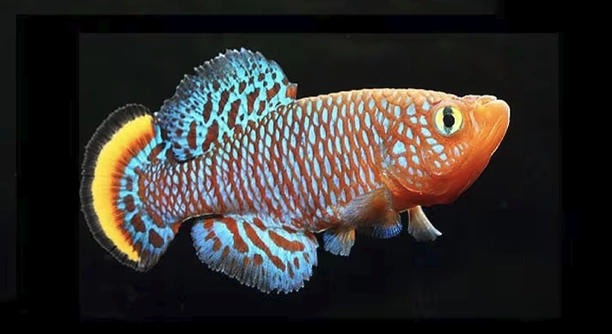
Killi fish are small, colorful freshwater fish that many people enjoy keeping at home. They have unique needs and delicate systems that can be affected by their feeding habits. Understanding what happens if these fish miss meals can help maintain their health and well-being.
When killi fish miss meals, their metabolism slows down, and energy levels drop, which may reduce activity and affect growth. Prolonged lack of food can weaken their immune system, making them more vulnerable to diseases and stress.
Knowing how missed meals impact killi fish will help you care for them better and keep your aquatic pets healthy and active.
Effects of Missing Meals on Killi Fish Health
When killi fish miss meals, their bodies begin to conserve energy by slowing down metabolism. This means they become less active and may swim slower than usual. Over time, their growth can be stunted, especially in younger fish. Missing meals also weakens their immune system, making it harder to fight off infections or stress from environmental changes. While one missed meal may not cause serious harm, frequent or prolonged fasting can lead to malnutrition. Their coloration might fade, and they may lose interest in their surroundings. It’s important to maintain a consistent feeding schedule to support their overall health and vitality. Small portions fed regularly are best, as overfeeding can cause water quality issues that also affect their well-being.
Regular feeding supports killi fish’s immune response and growth, preventing stress-related illnesses. Consistency is key for their health.
Killi fish thrive with a steady diet that meets their nutritional needs. Providing balanced food regularly helps maintain bright colors, energy, and resistance to disease. If feeding schedules are disrupted, recovery takes time, and fish can remain vulnerable. Proper care means observing feeding habits and adjusting portions as needed.
Recognizing Signs of Hunger and Stress
Killi fish often show signs of hunger by becoming more active or searching for food near the surface. They might also appear restless or nip at tank decorations. Stress from hunger can make them hide more or become lethargic. Early detection of these signs allows timely feeding to avoid negative health impacts. Watching your fish’s behavior closely helps you respond to their needs quickly.
Consistent observation helps prevent long-term effects of hunger by addressing stress early.
If killi fish go hungry too long, their bodies start using stored fat and muscle for energy, which can reduce their strength. Stress weakens their immune system and increases the risk of infections. Prolonged hunger can cause behavioral changes such as aggression or withdrawal. Poor nutrition also affects reproduction, lowering the chances of healthy offspring. Feeding a balanced diet regularly supports their immune system and reduces stress. Monitoring feeding and tank conditions together ensures a healthy environment where fish can thrive without food-related setbacks.
How Often Should Killi Fish Be Fed?
Killi fish generally need to be fed once or twice daily. Small, frequent meals work best for their metabolism and help avoid overfeeding.
Feeding small amounts regularly prevents waste buildup in the tank and keeps water quality stable. Overfeeding can lead to leftover food that pollutes the water and harms fish health. Killi fish have small stomachs, so they eat only a little at a time. Offering food they can consume within a few minutes ensures they get the right amount without excess. Adjust feeding amounts depending on their activity level and size to keep them healthy and energetic.
Consistency in feeding times helps maintain their routine and reduces stress. Skipping meals occasionally is less harmful than feeding irregularly or too much.
Best Foods for Killi Fish
Killi fish thrive on a varied diet that includes live, frozen, and high-quality flake or pellet foods. Live foods such as brine shrimp and daphnia offer essential nutrients and encourage natural hunting behavior. Frozen options like bloodworms or mosquito larvae are also nutritious and convenient. Flakes or pellets designed for small carnivorous fish can supplement their diet but should not be the only food source. Offering a variety ensures balanced nutrition and keeps the fish interested in eating.
Fresh, high-quality foods support their immune system and coloration, promoting overall well-being. Avoid feeding only one type of food, as this can lead to deficiencies or boredom. A mix of foods also replicates their natural diet, supporting normal behavior and health. Regularly rotating food types helps maintain appetite and prevents nutrient gaps.
Signs of Malnutrition in Killi Fish
Malnutrition in killi fish can cause faded colors and thin bodies. They may become less active and lose interest in food.
If untreated, malnutrition weakens their immune system, increasing disease risk. Early detection is important to adjust feeding and prevent long-term health problems.
Preventing Feeding Issues
Maintain a consistent feeding schedule to avoid missed meals. Use appropriate portion sizes to prevent overfeeding and water contamination.
Regularly check tank conditions and remove uneaten food promptly. This helps keep the environment healthy and supports your fish’s well-being.
How to Help a Hungry Killi Fish
If a killi fish misses meals, gradually reintroduce food with small portions. Avoid sudden large feedings, which can cause digestive problems.
Monitor the fish’s behavior and appetite closely to ensure recovery. Patience and proper care help restore their strength and health quickly.
Feeding Tips for Beginners
Start feeding small amounts and observe how much your fish eat. Adjust portions to avoid waste and maintain water quality.
FAQ
How long can killi fish go without food?
Killi fish can survive a few days without food, but it is not ideal. Missing one meal occasionally won’t cause serious harm, but going without food for more than three days can weaken their immune system and cause stress. Consistent feeding supports their health and energy levels.
What should I do if my killi fish refuses to eat?
If your killi fish stops eating, check water quality first. Poor water conditions often cause loss of appetite. Also, try offering live or frozen foods to stimulate feeding. If the fish still refuses food for more than a couple of days, consider consulting a specialist, as illness could be a factor.
Can overfeeding be harmful to killi fish?
Yes, overfeeding can lead to water pollution and health issues for killi fish. Uneaten food decomposes, increasing toxins in the tank and causing stress or disease. Feed only what the fish can eat within a few minutes and remove leftovers promptly.
What are the best foods to feed killi fish regularly?
Live foods like brine shrimp and daphnia are excellent for killi fish, providing essential nutrients and stimulating natural hunting behavior. Frozen bloodworms or mosquito larvae are good alternatives. High-quality flakes or pellets can supplement their diet but should not be the sole food source.
How do I know if my killi fish is hungry?
Hungry killi fish often become more active and swim near the surface looking for food. They might nibble on tank decorations or other fish. These behaviors indicate it’s time to feed them to avoid stress and malnutrition.
Can killi fish fast occasionally without harm?
Occasional fasting, such as skipping one meal, usually does not harm killi fish. Their metabolism can slow down to conserve energy. However, regular or prolonged fasting can weaken their health, so it should be avoided when possible.
How can I prevent my killi fish from missing meals?
Maintain a consistent feeding schedule, feed small amounts at regular times, and monitor the fish’s eating habits. Automated feeders can help when you’re away, but regular observation is best to ensure they eat properly.
What signs indicate my killi fish is recovering after missed meals?
Improved coloration, increased activity, and a renewed appetite are good signs of recovery. The fish will swim more confidently and engage with their environment again. Keep feeding small, frequent meals during recovery.
Is it necessary to feed killi fish live food every day?
While live food is highly nutritious and supports natural behavior, feeding live food daily is not required. A balanced diet with a mix of live, frozen, and prepared foods keeps killi fish healthy and interested in their meals.
How does missed feeding affect breeding killi fish?
Missing meals can lower breeding success by reducing energy and weakening overall health. Proper nutrition is critical during breeding to ensure strong, healthy offspring. Consistent feeding improves reproductive outcomes.
Can environmental factors cause killi fish to skip meals?
Yes, changes in water temperature, quality, or tank stress can reduce appetite. Ensuring a stable, clean environment helps maintain regular feeding habits and supports fish health.
What is the best way to reintroduce food after a missed meal?
Start with small portions of easily digestible food, like live or frozen options. Feed slowly over several meals to avoid digestive upset. Monitor the fish closely and adjust as needed to encourage normal eating patterns.
Are there specific feeding tools recommended for killi fish?
Using a small feeding spoon or pipette helps control portions and target food near the fish. This reduces waste and keeps the tank cleaner. Avoid dropping large amounts of food directly into the tank at once.
How important is water quality during feeding times?
Water quality is crucial. Poor water conditions reduce appetite and increase stress. Regular tank maintenance and prompt removal of uneaten food prevent toxins from building up, supporting healthier feeding behavior.
Can killi fish eat plant-based foods?
Killi fish are primarily carnivorous and prefer protein-rich diets. Plant-based foods do not provide sufficient nutrients for them and should be avoided or given only in very small amounts as treats.
Final thoughts on caring for killi fish emphasize the importance of regular and consistent feeding. These small fish depend on a steady supply of nutrients to maintain their energy, vibrant colors, and overall health. Missing meals occasionally is not usually harmful, but frequent or prolonged fasting can cause serious issues. Their metabolism slows down when they do not eat, which affects activity levels and growth. It also weakens their immune system, making them more vulnerable to illness and stress. Feeding small amounts regularly helps prevent these problems and supports their natural behavior.
It is equally important to provide a balanced diet that meets their nutritional needs. Killi fish thrive on a mix of live foods, such as brine shrimp and daphnia, as well as frozen options like bloodworms. High-quality flakes or pellets can be added to supplement their diet but should not be the only food offered. Variety in their meals ensures they receive all necessary nutrients, keeps their appetite healthy, and encourages natural hunting instincts. Overfeeding should be avoided because it can pollute the tank and lead to health complications. Feeding only what the fish can consume within a few minutes helps maintain clean water and a safe environment.
Finally, paying close attention to your killi fish’s behavior and environment is key. Changes in appetite or activity levels may indicate hunger, stress, or health problems. Regular tank maintenance, consistent feeding times, and proper portion sizes will reduce the chances of missed meals and keep your fish healthy. When a missed meal happens, gently reintroducing food with small portions supports recovery without overwhelming their system. Caring for killi fish requires patience and routine, but it leads to stronger, more active fish that brighten any aquarium.

Hello,
If you enjoy the content that we create, please consider saying a "Thank You!" by leaving a tip.
Every little bit helps us continue crafting quality advice that supports the health, happiness, and well-being of pets around the world, for pets of all shapes, sizes, and species.
We really appreciate the kindness and support that you show us!