
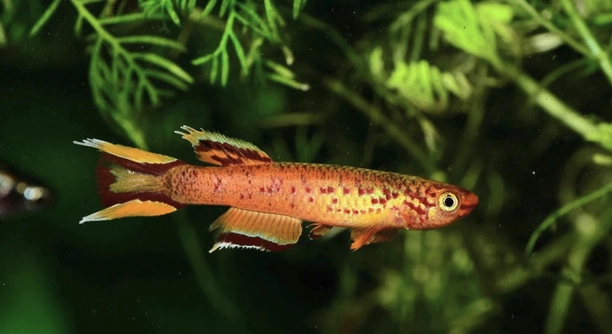
Many aquarium hobbyists enjoy keeping killifish because of their vibrant colors and unique behaviors. These fish often live in environments that vary from natural ponds to specially designed tanks. Knowing their preferences can help create a comfortable space for them.
Killifish generally do not prefer bare substrates; they thrive better with planted or covered bottoms that offer hiding spots and mimic their natural habitat. Bare substrates can cause stress and reduce their sense of security.
Understanding how substrate choice affects killifish wellbeing can improve their care. This article explores what makes a suitable environment for these delicate fish.
Killifish Natural Habitat and Substrate Preferences
Killifish are often found in shallow waters with plenty of plants, leaves, and soft soil or sand. These natural conditions provide shelter and food sources, which are important for their wellbeing. In their wild habitat, they usually avoid open, bare spaces because it leaves them exposed to predators. They feel safer with plants or debris where they can hide easily. When replicating their environment at home, adding fine gravel, sand, or planted substrates helps mimic these conditions. Bare substrates, like plain gravel or glass bottoms, offer little to no cover and can make killifish feel vulnerable. This stress may affect their health and behavior. Providing a substrate that supports plant growth also helps maintain water quality by encouraging beneficial bacteria. Overall, recreating their natural environment as closely as possible is essential for keeping killifish comfortable and healthy in captivity.
Plants and soft substrates help killifish feel secure, reducing stress and encouraging natural behavior patterns.
Understanding the importance of substrate means you can improve your tank setup. Incorporating plants and a soft base creates hiding spots and enriches the environment. This not only promotes physical health but also stimulates their natural instincts. Keeping a substrate that supports plant roots also aids in balancing water parameters, which killifish need to thrive. With a proper base, killifish are more likely to show vibrant colors and active swimming, adding life to your aquarium.
Effects of Bare Substrates on Killifish Behavior
Bare substrates can make killifish feel exposed and stressed, which leads to hiding or less activity.
Stress from bare substrates can lower their immune response and increase susceptibility to disease. Killifish rely on their environment for security and comfort, and a lack of cover disrupts this balance. Without places to hide, they may become withdrawn or show signs of aggression toward tank mates. Bare tanks also lack the natural filtration benefits plants provide, which can cause water quality to deteriorate more quickly. In contrast, tanks with planted or natural substrates help create a stable and healthy environment. By avoiding bare substrates, you encourage natural behavior and reduce stress, resulting in healthier fish and a more enjoyable aquarium experience.
Choosing the Right Substrate for Killifish
Choosing the right substrate helps create a safe and comfortable environment for killifish. Soft sand or fine gravel is often best, as it mimics their natural habitat and supports plants well.
Soft substrates prevent injury to killifish, which are delicate and prone to scratches. They allow for easy digging and burrowing, natural behaviors for many species. Fine gravel or sand also helps plant roots anchor firmly, providing shelter and improving water quality. Avoid sharp or rough materials that could harm their sensitive skin. The substrate’s color matters too—darker tones tend to reduce stress by offering better camouflage. Selecting the right substrate promotes healthier fish and a more natural tank environment.
A good substrate encourages natural activity and enhances the tank’s overall appearance. It supports both the fish’s physical needs and the ecosystem inside the aquarium.
Maintaining Substrate Health in Your Aquarium
Regular cleaning of the substrate keeps it healthy and prevents waste buildup. Use a gentle siphon to remove debris without disturbing the fish.
A healthy substrate balances beneficial bacteria that break down waste, helping maintain clean water. Over time, uneaten food and fish waste settle into the substrate, which can cause harmful ammonia spikes if not cleaned regularly. Stirring or vacuuming the substrate lightly once a week keeps it fresh without uprooting plants. Avoid harsh chemicals that could harm the bacteria or the fish. Keeping the substrate clean supports the tank’s natural cycle and helps killifish stay healthy and active over time.
Impact of Bare Substrate on Water Quality
Bare substrates can cause quicker changes in water quality. Without plants or natural material, waste and debris accumulate faster.
This buildup leads to unstable water parameters, which can stress killifish. Natural substrates and plants help absorb nutrients and support beneficial bacteria, maintaining a balanced environment.
Planting and Substrate Interaction
Plants need a nutrient-rich substrate to grow well. Bare substrates do not support root development or nutrient absorption, limiting plant growth.
Without plants, the tank loses natural filtration and shelter for killifish, which can affect their health and behavior.
Substrate Color and Killifish Behavior
Darker substrates help killifish feel more secure. Light or bare bottoms may cause them to hide or act nervously. Choosing a suitable substrate color improves their comfort and natural behavior.
FAQ
Do killifish absolutely need substrate in their tanks?
Killifish do not absolutely need substrate to survive, but having a suitable substrate greatly improves their wellbeing. It provides places to hide, reduces stress, and mimics their natural environment. Without substrate, killifish may feel exposed and act nervously, which can affect their health over time. A bare tank can work temporarily, but for long-term care, substrate is recommended.
Can killifish live happily on bare glass or bare gravel?
Killifish can live on bare glass or gravel, but it’s not ideal. Bare surfaces offer no shelter or hiding spots, which can increase stress levels. Killifish rely on plants and natural cover to feel secure. Over time, stress may lead to reduced activity, color fading, and weakened immune systems. Adding plants and a soft substrate helps them thrive.
What types of substrates are best for killifish tanks?
Soft sand and fine gravel are the best substrates for killifish tanks. These materials are gentle on their delicate bodies and support natural behaviors like digging. They also allow plants to root well, improving water quality. Avoid sharp or coarse substrates, as these can injure the fish. A dark-colored substrate is also preferable to help reduce stress.
How often should I clean the substrate in a killifish tank?
Cleaning the substrate once a week with a gentle siphon is usually enough. This removes uneaten food and waste without disturbing the fish or plants too much. Avoid deep vacuuming, which can uproot plants and upset the tank’s balance. Regular substrate maintenance helps keep water quality stable and prevents harmful buildup.
Can killifish survive without plants if the substrate is good?
Killifish can survive without plants if the substrate is suitable, but plants greatly improve their quality of life. Plants provide shelter, help maintain water quality, and reduce stress. A good substrate alone doesn’t replace these benefits. Without plants, killifish might become less active and show signs of stress more often.
Does substrate color really affect killifish behavior?
Yes, substrate color can affect killifish behavior. Darker substrates make killifish feel safer because they blend in better and reduce reflections. Light or bare substrates can cause the fish to hide more and act nervously. Choosing a darker substrate helps them feel more secure and display natural, confident behavior.
Are there any risks to using bare substrates for killifish?
Bare substrates can lead to stress and increased vulnerability for killifish. Without places to hide, they may become more prone to illness. Bare tanks also lack natural filtration from plants, which can cause water quality to decline faster. Over time, this environment may negatively impact the fish’s health and lifespan.
Can I switch from a bare substrate to a planted one without harming my killifish?
You can switch from bare to planted substrate, but do it gradually. Sudden changes can stress the fish. Prepare the new substrate and plants before adding them, and clean the tank gently afterward. Keep an eye on water parameters during the transition, as plants and substrate changes can affect water chemistry. A slow, careful approach helps killifish adjust smoothly.
What should I avoid when choosing a substrate for killifish?
Avoid sharp, rough, or large gravel that can injure killifish. Also, avoid substrates that change water pH drastically unless you plan to monitor and adjust water conditions carefully. Stay away from bare glass or plain gravel without any cover, as these do not provide security or comfort. Stick with soft, natural-feeling substrates that support plants.
Can killifish dig in the substrate? Does it matter what kind?
Yes, many killifish enjoy digging or burrowing in the substrate. Soft sand or fine gravel makes this possible without harming them. Hard or rough substrates can cause injuries or discourage digging behavior. Providing the right substrate lets killifish express natural behaviors, which is important for their mental and physical health.
How does substrate choice affect breeding killifish?
Substrate can affect breeding success. Many killifish lay eggs on plants or in soft substrate. Bare or hard substrates don’t provide good places for eggs to attach or hide. A planted tank with soft substrate encourages natural spawning behaviors and protects the eggs from being eaten or damaged. Proper substrate setup is key for breeding.
When caring for killifish, the choice of substrate plays an important role in their overall health and comfort. Killifish are used to environments that have soft, natural materials on the bottom, often covered with plants or leaves. Providing a substrate that closely matches these natural settings helps reduce their stress and supports their natural behavior. Bare substrates, such as plain glass or gravel without any cover, do not offer the same benefits. They can leave the fish feeling exposed and less secure, which may lead to changes in behavior and even affect their wellbeing over time.
Using soft sand or fine gravel as substrate allows killifish to dig and explore without risk of injury. These materials also help plants grow, which adds shelter and natural filtration to the tank. Plants and natural substrate together create a balanced environment where beneficial bacteria can thrive. This balance is key to maintaining good water quality, which directly impacts the health of the fish. A well-maintained substrate also prevents harmful waste buildup and reduces the need for frequent deep cleaning. Overall, choosing the right substrate makes it easier to keep killifish healthy and happy.
Even though killifish can survive in tanks with bare substrates, their quality of life improves when given a more natural setup. Adding plants and a soft base mimics their natural habitat and encourages natural behaviors such as hiding, resting, and breeding. The right substrate can even help killifish display their best colors and stay more active. For anyone keeping killifish, paying attention to substrate choice is a simple but effective way to create a better environment. This small detail can have a big impact on the wellbeing and longevity of these beautiful fish.

Hello,
If you enjoy the content that we create, please consider saying a "Thank You!" by leaving a tip.
Every little bit helps us continue crafting quality advice that supports the health, happiness, and well-being of pets around the world, for pets of all shapes, sizes, and species.
We really appreciate the kindness and support that you show us!