
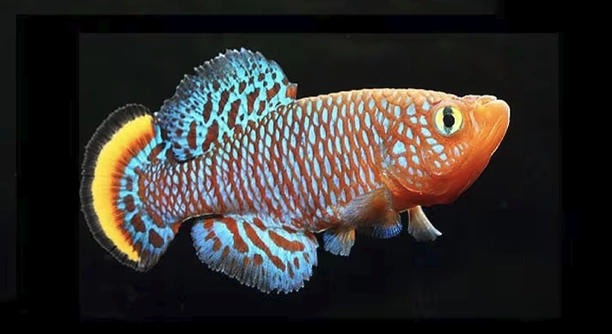
Are your killifish showing signs of stress or unusual behavior? Overcrowding in tanks is a common issue that can affect their health and well-being. Knowing the signs of overcrowding helps maintain a healthy environment for your fish.
Killifish become overcrowded when tank space is insufficient for their number, leading to increased aggression, poor water quality, stunted growth, and reduced oxygen levels. Monitoring fish density and behavior is essential to prevent overcrowding-related problems.
Recognizing overcrowding early helps protect your killifish and maintain a balanced aquatic habitat for their long-term care and enjoyment.
Signs of Overcrowding in Killifish Tanks
When killifish tanks become overcrowded, several visible signs appear. Fish may show aggressive behavior, chasing or nipping at each other more than usual. You might notice some killifish hiding constantly or appearing stressed. Water quality can decline quickly, causing cloudy water or an unpleasant odor. Overcrowding also reduces oxygen availability, which can make fish sluggish or cause them to gasp near the surface. Stunted growth is common in cramped tanks, where killifish do not reach their full size. If you observe these symptoms, it is important to take action quickly. Overcrowding not only affects the health of your killifish but can also increase the risk of disease outbreaks.
Maintaining a proper balance of fish per gallon is critical to avoid these problems and keep your tank stable and healthy.
Adjusting stocking levels and improving tank conditions can restore comfort and health to overcrowded killifish.
How to Prevent Overcrowding
Regularly check your tank’s capacity based on its size and killifish species. Avoid adding more fish than the recommended number for the tank. Keeping fewer fish per gallon helps maintain good water quality and reduces stress. Using plants and decorations can provide hiding spaces, which lowers aggression and makes the environment less crowded. Frequent water changes are essential to control waste buildup and keep oxygen levels stable. Monitoring fish behavior and tank conditions helps you catch early signs of overcrowding. Planning ahead before adding new killifish ensures you maintain a healthy population size that promotes natural behavior and growth. Taking these steps prevents overcrowding and creates a better environment for your killifish to thrive.
Managing Tank Space Effectively
Keeping enough space per killifish reduces stress and aggression. Overcrowded tanks lead to poor fish health and behavior problems.
Using a larger tank or reducing the number of fish helps create enough room for each killifish. Proper filtration and aeration improve water quality, making the environment healthier. Rearranging decorations or plants can also provide more swimming space and hiding spots. Ensuring adequate room supports natural movement and reduces competition among fish.
Regularly observing your tank helps detect if fish need more space. Adjustments like upgrading tank size or relocating some killifish can improve their well-being. Prioritizing space management is key to a thriving killifish tank.
Maintaining Water Quality in Overcrowded Tanks
Water quality can deteriorate quickly when too many killifish share a tank. High waste levels lead to ammonia and nitrite spikes, which harm fish health.
Frequent water changes are necessary to reduce toxins and maintain clear water. Using a reliable filtration system helps remove debris and supports beneficial bacteria growth. Testing water parameters regularly ensures ammonia, nitrite, and nitrate levels stay safe. Proper feeding habits reduce leftover food that can pollute the water. Aeration boosts oxygen levels, especially in crowded tanks where oxygen demand is higher. Keeping water clean prevents disease and supports overall fish health, even if the tank is crowded.
Adjusting Feeding Practices
Overfeeding can worsen overcrowding problems by increasing waste. Feed killifish small amounts only once or twice daily.
Remove any uneaten food promptly to keep water clean. Proper feeding supports fish health and reduces pollution in the tank.
Monitoring Fish Behavior
Pay close attention to signs of stress like chasing or hiding. Behavioral changes often indicate overcrowding or poor conditions.
Early detection allows quick action to improve tank health and prevent long-term damage.
Choosing Suitable Tank Mates
Select fish species that thrive well with killifish. Avoid aggressive or fast-growing species that can outcompete them.
Compatibility helps reduce stress and maintains harmony within the tank.
Regular Tank Maintenance
Consistent cleaning and water changes are vital. This routine prevents waste buildup and supports a stable environment for killifish.
FAQ
How many killifish should I keep in one tank?
The general rule is one inch of fish per gallon of water, but killifish vary in size. For smaller species, about 5 to 7 fish can live comfortably in a 10-gallon tank. Larger species need more space, so fewer fish per gallon. Overcrowding reduces water quality and causes stress, so it’s better to keep fewer fish than too many.
What are the signs that my killifish are overcrowded?
Look for increased aggression, constant hiding, or lethargy. Fish may nip at fins or chase each other more often. Cloudy water or a strong smell can also indicate overcrowding. If fish appear smaller than usual or show signs of illness frequently, overcrowding could be the cause.
Can overcrowding cause diseases in killifish?
Yes. Overcrowding weakens the immune system and causes stress, which makes killifish more vulnerable to diseases. Poor water quality from waste buildup encourages bacteria and parasites to grow. Regular water changes and keeping the population balanced help prevent disease outbreaks.
How often should I change the water in an overcrowded killifish tank?
In an overcrowded tank, change about 25-30% of the water weekly. If overcrowding is severe, more frequent changes might be needed. Always use a water conditioner to remove chlorine and chloramine. Regular water changes keep ammonia and nitrite levels low, protecting fish health.
What can I do if I suspect my tank is overcrowded?
First, measure your tank and count the fish. Compare this with recommended stocking levels for your killifish species. If overcrowded, remove some fish or upgrade to a larger tank. Improve filtration and increase water changes to maintain water quality during the transition.
Are live plants helpful in overcrowded tanks?
Yes, live plants absorb nitrates and provide hiding places, which reduce stress and aggression. They also improve oxygen levels and create a more natural environment. However, plants alone cannot fix overcrowding; tank size and fish numbers still need proper balance.
Is it safe to add new killifish to an established tank?
Only if the tank isn’t overcrowded and water conditions are stable. Adding new fish to a crowded tank can increase stress and lower water quality. Quarantine new fish before introducing them to prevent spreading diseases.
Can killifish adapt to small tanks?
Killifish prefer space, but some species tolerate smaller tanks if properly maintained. Even so, cramped conditions increase stress and reduce lifespan. Providing enough room and good water quality is essential for their well-being.
How does overcrowding affect killifish breeding?
Overcrowding reduces breeding success. Stress and poor water quality can inhibit spawning and harm eggs. Killifish may also become aggressive, disrupting mating pairs. Keeping a proper population size helps create conditions that support breeding.
What filtration system works best for killifish tanks?
A filter that provides gentle water flow and good biological filtration is ideal. Sponge filters or hang-on-back filters with adjustable flow work well. Strong currents can stress killifish, so choose equipment suited to their needs.
Can overcrowding cause oxygen depletion in the tank?
Yes. More fish use more oxygen, especially in small or poorly aerated tanks. Oxygen depletion causes fish to gasp at the surface and become lethargic. Using an air pump or increasing surface agitation helps improve oxygen levels.
How do I reduce aggression caused by overcrowding?
Reduce fish numbers or increase tank size. Adding plants and hiding spots gives fish space to escape. Feeding fish properly lowers competition. If aggression persists, separate aggressive individuals or rearrange tank decorations to disrupt established territories.
Is it necessary to cycle a new tank before adding killifish?
Absolutely. Cycling establishes beneficial bacteria that break down waste products. Adding killifish to an uncycled tank causes toxic ammonia and nitrite spikes. A fully cycled tank keeps water safe and stable for your fish.
What are the long-term effects of overcrowding on killifish?
Chronic stress from overcrowding weakens the immune system, stunts growth, and shortens lifespan. Fish may develop physical injuries from fights. Water quality issues cause ongoing health problems. Preventing overcrowding promotes healthy, active killifish with longer lives.
How can I safely rehome excess killifish?
Find local aquarium groups or pet stores that accept live fish. Avoid releasing fish into the wild, as they can disrupt ecosystems. Transport fish in proper containers with water from their tank. Handle fish gently to reduce stress during the move.
What role does tank decoration play in managing overcrowding?
Decorations create barriers and hiding spots, reducing direct conflicts. Plants, rocks, and caves allow fish to establish territories and feel secure. Rearranging decorations periodically can reset territories and reduce aggression among killifish.
How do I balance stocking levels when mixing killifish with other species?
Consider the adult size, behavior, and space needs of all fish. Choose peaceful species that tolerate similar water conditions. Avoid overcrowding by calculating total fish length per gallon. Mixed tanks require extra care to maintain water quality and reduce stress.
Final Thoughts
Keeping killifish healthy and happy requires paying close attention to their environment. Overcrowding is a common problem that can lead to stress, illness, and poor water quality. It is important to provide enough space for each fish and to monitor their behavior regularly. When killifish have adequate room, they show more natural behavior and stay active. Observing changes like increased aggression or hiding can help catch overcrowding early. Acting on these signs quickly helps avoid serious health problems.
Maintaining water quality is just as important as managing fish numbers. Overcrowded tanks tend to accumulate waste faster, which affects the water’s cleanliness. Regular water changes and proper filtration are essential to keep ammonia and nitrite levels low. Feeding killifish the right amount prevents leftover food from polluting the tank. Adding live plants can support water quality by absorbing excess nutrients and providing hiding places. Together, these steps create a healthier space where killifish can thrive.
If you notice overcrowding, solutions include reducing fish numbers, upgrading to a larger tank, or improving filtration. Planning ahead before adding new fish will prevent overcrowding issues. Remember that every killifish species has different space needs, so adjusting care based on the type you keep is important. Keeping a balanced tank supports fish health and creates a peaceful environment. Following these guidelines helps ensure your killifish live longer and stay vibrant.

Hello,
If you enjoy the content that we create, please consider saying a "Thank You!" by leaving a tip.
Every little bit helps us continue crafting quality advice that supports the health, happiness, and well-being of pets around the world, for pets of all shapes, sizes, and species.
We really appreciate the kindness and support that you show us!