
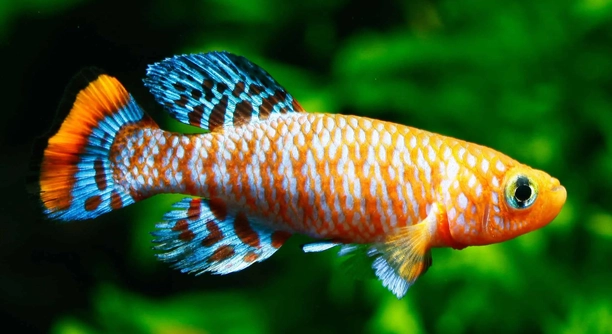
Killi fry are small fish fry often raised by hobbyists and breeders. They are popular for their delicate size and unique behavior. Many people keep them in community tanks or separate setups to monitor growth and survival.
Killi fry should generally be separated at birth to improve their chances of survival. Keeping them apart prevents predation by adults, reduces competition for food, and allows for better control of water quality and feeding conditions.
Separating the fry early can help ensure healthier growth and reduce losses. This article will explain the reasons and best practices for separation.
Why Separating Killi Fry Is Important
Separating killi fry from adult fish right after birth is important because adult killifish may eat the tiny fry. The fry are very small and slow, making them easy targets. If kept together, many fry will not survive. Separating them also reduces competition for food. Adult killifish can be aggressive during feeding times, which makes it hard for fry to get enough nutrition. When fry are separated, it’s easier to give them the right type of food in small amounts. This supports their healthy growth. Water quality is another factor. Fry are sensitive to changes and waste buildup. Keeping them apart allows for better water maintenance, preventing diseases and improving their chances to grow into strong adults.
Separation also allows close monitoring of fry health and development. This helps catch problems early.
Keeping fry separate from adults increases survival rates and promotes healthy development during early stages.
How to Separate Killi Fry Successfully
The best way to separate killi fry is by using a breeding box or a small tank inside the main aquarium. This keeps fry safe but still allows water to flow through. You can also use a separate tank with gentle filtration designed for fry. The water should be clean and stable, with regular small water changes to keep it healthy. Feeding small, frequent meals of finely crushed flakes or live food like baby brine shrimp helps fry get the nutrition they need. Avoid overcrowding by keeping only a manageable number of fry in each tank. Keep the temperature steady and avoid sudden changes, as fry are sensitive to stress. Regularly check for leftover food to prevent water quality issues.
Careful separation and proper care lead to better growth and fewer losses among killi fry.
Timing for Separation
Separating killi fry should happen as soon as they hatch. Early separation increases their survival rate and prevents adults from eating them.
The first few days after hatching are critical. During this time, fry are very fragile and need constant access to small amounts of food. If left with adults too long, many will be lost. Moving fry into a safe environment immediately after birth allows better control of feeding and water quality. This reduces stress and supports steady growth. Early separation also helps avoid fights or bullying among fry as they grow.
Proper timing helps fry develop strong and healthy, increasing the chance they reach adulthood. It also makes managing their care easier for you.
Feeding Killi Fry
Killi fry require very small, nutrient-rich food. Baby brine shrimp and infusoria are ideal choices. These foods support rapid growth and good health during early stages.
Feeding should be done multiple times a day in small amounts to prevent overfeeding and water pollution. Fry need easily digestible food because their digestive systems are still developing. Gradually, you can introduce finely crushed flakes as they grow bigger. Pay attention to how much they eat to avoid leftover food that can harm water quality. Clean water is essential, so regular maintenance is key.
Providing the right diet and feeding schedule helps fry grow faster and strengthens their immune systems.
Ideal Tank Setup for Killi Fry
A small tank or breeding box with gentle filtration is best for killi fry. It should have calm water to avoid stressing the fry.
Adding fine-leaved plants or spawning mops gives the fry places to hide and feel safe.
Water Conditions for Fry
Stable water conditions are essential. Keep the temperature around 72-78°F (22-26°C), and avoid sudden changes. Use a sponge filter or gentle air stone to maintain oxygen without strong currents. Regular partial water changes help keep ammonia and nitrite levels low, preventing harm to the sensitive fry.
Common Challenges with Killi Fry
Overfeeding and poor water quality are the biggest risks. Leftover food causes toxic buildup, harming the fry. Stress from overcrowding or aggressive tank mates can also reduce survival.
Monitoring Growth
Keep an eye on fry development and behavior daily. Healthy fry grow steadily, stay active, and have clear eyes and fins.
FAQ
Why is it necessary to separate killi fry from adults?
Adult killifish can eat their own fry, especially when the fry are very small and vulnerable. Separating fry immediately after hatching reduces this risk. It also lowers competition for food and helps maintain cleaner water, which is crucial for fry health. Keeping fry apart makes it easier to monitor their growth and adjust care as needed.
How soon after hatching should killi fry be separated?
Fry should be separated within the first 24 hours after hatching. This early move prevents adults from eating them and reduces stress on the fry. The first few days are when they are most fragile, so creating a safe environment during this time is critical.
What is the best tank size for raising killi fry?
A small tank or breeding box between 2 to 5 gallons works well for fry. It’s easier to control water quality and feeding in a smaller space. Make sure the tank has gentle filtration and stable temperature. Overcrowding should be avoided to reduce stress and waste buildup.
What should I feed killi fry?
Killi fry do best on small, live foods like baby brine shrimp or infusoria during their first weeks. These foods are easy to digest and packed with nutrients. As fry grow, you can introduce finely crushed flakes or micro pellets. Feed small amounts several times a day to avoid leftover food polluting the water.
How often should I change the water in the fry tank?
Perform small water changes of about 20-30% every two to three days. Frequent partial changes help maintain water quality without shocking the fry. Use dechlorinated water at the same temperature as the tank to prevent stress.
Can killi fry survive without separation if I provide enough hiding places?
While adding plants or spawning mops can reduce predation, it’s not a guarantee. Adults may still hunt fry, especially in smaller tanks. Separation remains the safest option to ensure most fry survive and grow healthy.
What water temperature is ideal for killi fry?
Keep the water temperature steady between 72-78°F (22-26°C). Temperatures outside this range can stress fry and slow growth. Use a reliable heater and thermometer to maintain consistency.
How long does it take for killi fry to grow into adults?
Killi fry typically take 6 to 8 weeks to reach adulthood, depending on species and care quality. Good feeding, clean water, and low stress help speed up growth. Regular observation will help you notice when they begin to develop adult features.
Is overcrowding a serious problem for killi fry?
Yes, overcrowding can lead to poor water quality, increased aggression, and competition for food. It stresses the fry, lowering their survival rate. It’s best to keep fry numbers manageable and separate them if necessary.
What signs show that killi fry are unhealthy?
Unhealthy fry may swim erratically, lose color, become lethargic, or show signs of fin damage. They might also refuse food or have bloated bellies. Poor water quality or incorrect feeding often causes these problems.
How long should killi fry stay separated?
Keep fry separated until they are large enough not to fit into the mouths of adult fish. This usually means waiting until they are at least 1 inch (2.5 cm) long or about 6 to 8 weeks old. After this, they can be introduced carefully to the main tank.
Can I use the same tank for fry and adults if I use a divider?
Yes, a tank divider can work well. It allows water to circulate between sections while keeping fry safe from adults. This setup can simplify maintenance but make sure the divider has no gaps big enough for fry to pass through.
What is the easiest way to move fry to a separate tank?
Use a small container or net to gently scoop fry out of the main tank. Avoid sudden movements or rough handling, as fry are delicate. Transfer them carefully to their new environment with water from the original tank to reduce stress.
Are there any special lighting needs for killi fry tanks?
Moderate lighting that mimics natural daylight is best. Too bright light may stress fry, while too little can affect their feeding and growth. Providing a regular day-night cycle helps keep them healthy.
How do I prevent diseases in killi fry?
Maintain excellent water quality through regular water changes and avoid overfeeding. Quarantine new adult fish before introducing them to the main tank to reduce disease risk. Observe fry daily and remove any sick individuals quickly to prevent spread.
What happens if I don’t separate the fry?
Without separation, many fry will be eaten or outcompeted for food. This reduces the number of fry that survive to adulthood and can lead to poor growth and health problems in those that do survive. Separating fry increases the chances of raising a strong, healthy group.
Separating killi fry at birth is a step that greatly improves their chances of survival and healthy growth. The tiny fry are vulnerable to being eaten by adult fish, and keeping them together often leads to many losses. By moving fry to a separate tank or breeding box, you create a safer environment where they can grow without the threat of predation. This separation also helps reduce competition for food, so the fry have better access to the nutrition they need to develop properly. Clean water conditions are easier to maintain in a smaller setup, which is very important because fry are sensitive to poor water quality. Overall, separation is a practical way to support the fry through their most delicate stages.
Proper care during the first weeks after hatching is essential. Feeding the fry with small, nutrient-rich foods like baby brine shrimp and infusoria supports their growth and helps build their immune systems. Feeding should be done several times a day in small amounts to avoid leftover food that can pollute the water. Regular water changes and maintaining a stable temperature also play a big role in fry health. Overcrowding should be avoided, as too many fry in one space increases stress and can lead to disease. Keeping a close eye on the fry’s behavior and growth allows for early detection of any problems, making it easier to take action and improve their conditions.
While separating killi fry requires extra effort, it is a worthwhile investment for anyone serious about raising healthy fish. The improved survival rate and better development mean that more fry will grow into strong adults. This approach also makes caring for fry less stressful because it gives you better control over feeding, water quality, and the overall environment. Whether you keep killifish as a hobby or for breeding purposes, separating the fry at birth is a smart and effective practice. It supports the health of the fry and helps ensure your fish population grows steadily over time.

Hello,
If you enjoy the content that we create, please consider saying a "Thank You!" by leaving a tip.
Every little bit helps us continue crafting quality advice that supports the health, happiness, and well-being of pets around the world, for pets of all shapes, sizes, and species.
We really appreciate the kindness and support that you show us!