
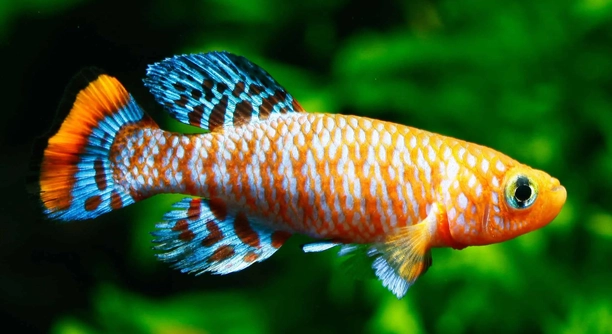
Killi fish are popular among aquarium lovers because of their bright colors and unique behaviors. Many hobbyists want to create the best environment for them to thrive. Understanding their water needs is important for keeping these fish healthy and happy.
Killi fish cannot live in brackish water because they are freshwater species. They require clean, well-oxygenated freshwater with stable conditions. Exposure to brackish water, which contains salt, can cause stress and harm to their delicate systems.
Knowing the right water conditions helps ensure your killi fish stay healthy and vibrant. This article explains what you need to consider for their proper care.
Understanding Killi Fish Natural Habitat
Killi fish come from freshwater environments such as ponds, slow-moving streams, and shallow wetlands. These habitats have little to no salt content, which suits the fish’s delicate biology. The water in these areas is usually soft and slightly acidic to neutral in pH. Killi fish rely on clean water with stable temperatures to stay healthy. Sudden changes, especially in salinity, can stress them out. Brackish water, which mixes fresh and saltwater, has higher salt levels. This creates an environment quite different from what killi fish need. Even a small amount of salt can affect their breathing and osmoregulation, which is how they balance fluids in their bodies. In their natural environment, killi fish are not exposed to such conditions, so keeping them in brackish water is risky and not recommended. Maintaining water quality close to their natural habitat is the best way to support their well-being.
The salt levels in brackish water are too high for killi fish to tolerate safely. Even slight exposure can lead to health issues or death.
Proper water conditions, including fresh, clean water with stable parameters, are essential for keeping killi fish comfortable and healthy in captivity.
Signs of Stress from Improper Water Conditions
Stress in killi fish can show up in various ways when the water environment is not right. They may become less active or hide more than usual. Changes in color, such as fading or dullness, can also indicate discomfort. Sometimes, they may stop eating or show rapid gill movement, which signals trouble breathing. If the water has too much salt or other chemicals, their bodies struggle to maintain balance. This can weaken their immune system, making them more vulnerable to diseases. Monitoring your fish’s behavior daily is important to catch early signs of stress. When you notice these symptoms, it’s crucial to check water parameters immediately and adjust the environment to match their freshwater needs. Acting fast can prevent serious harm and help your killi fish recover.
Fish showing stress from brackish water exposure require immediate water changes back to freshwater. This helps restore balance and improves their chances of recovery.
Maintaining proper freshwater conditions not only prevents stress but supports their natural behaviors, breeding, and lifespan in captivity.
Preparing a Freshwater Tank for Killi Fish
Setting up a freshwater tank is essential for killi fish health. You need clean water with stable temperature and pH. Regular water changes keep conditions ideal.
Choose a tank size suitable for your killi fish species, usually 10 gallons or more. Use a gentle filter to avoid strong currents, since these fish prefer calm water. Add plants and hiding spots for security. Maintain water temperature between 72°F and 78°F and a pH near neutral, around 6.5 to 7.5. Test the water regularly to ensure no sudden changes in hardness or chemical levels. Stability is key, as killi fish are sensitive to fluctuations. A well-prepared tank replicates their natural environment and helps them thrive.
Avoid adding salt or brackish water mixes. Keep the water fresh and clean with partial water changes weekly. This routine supports good health and reduces stress.
Transitioning Killi Fish Between Tanks
When moving killi fish to a new tank, acclimate them slowly to avoid shock. Sudden changes in water conditions can harm them. Use the drip method or float the bag to equalize temperature. Gradually mix small amounts of tank water with the transport water over an hour. This helps the fish adjust to new pH and temperature levels. Once transferred, monitor their behavior closely. Watch for signs of stress like hiding or reduced appetite. If everything seems normal, maintain stable water parameters to help them settle comfortably in their new home. Proper acclimation improves their chances of a smooth transition and long-term health.
Water Testing and Maintenance
Regular water testing helps keep your killi fish’s tank safe. Check pH, temperature, ammonia, nitrite, and nitrate levels weekly. This prevents harmful conditions from developing.
Keeping water clean requires partial water changes of 20-30% weekly. Avoid sudden shifts in water chemistry to reduce stress on the fish.
Effects of Salt on Killi Fish
Salt in brackish water disrupts the delicate balance of electrolytes in killi fish. This can lead to dehydration and impaired gill function. Over time, salt exposure weakens their immune system, making them more prone to illness. Killi fish are not adapted to handle salt, so keeping them in freshwater is crucial for their survival and well-being.
Alternative Fish for Brackish Water Tanks
If you want a fish for a brackish water tank, consider species like mollies or archerfish. These fish thrive in mixed salt and freshwater environments and are more tolerant of changing salinity. Unlike killi fish, they are adapted to brackish conditions, making them a better choice for such setups.
FAQ
Can killi fish survive in slightly brackish water?
Killi fish are strictly freshwater species and do not tolerate salt well. Even small amounts of salt can cause stress and health problems. While some fish can adapt to slightly brackish water, killi fish require fresh, clean water to thrive. It is best to avoid any salt in their tank.
What happens if killi fish are kept in brackish water?
Keeping killi fish in brackish water can harm their health quickly. Salt in the water disrupts their body’s ability to regulate fluids, leading to dehydration and difficulty breathing. They may show signs of stress like faded colors, reduced movement, or loss of appetite. Prolonged exposure can lead to serious illness or death.
Are there freshwater fish similar to killi fish?
Yes, there are many freshwater fish with similar colors and behaviors. Some popular options include guppies, bettas, and some types of tetras. These fish thrive in freshwater tanks and can offer similar visual appeal. It’s important to research each species’ needs before choosing.
How often should I change the water in a killi fish tank?
Weekly partial water changes of about 20-30% are ideal for killi fish tanks. This helps remove waste and keeps water parameters stable. Avoid changing too much water at once, as sudden shifts can stress the fish. Use water conditioner to remove chlorine and chloramine from tap water before adding it to the tank.
Can I add salt to killi fish tank to treat illness?
It’s generally not recommended to add salt to a killi fish tank. While some fish respond well to salt treatments, killi fish are sensitive and can react negatively. Always research specific treatments for killi fish and consult with an expert or veterinarian before using any medication or additives.
What water temperature is best for killi fish?
Killi fish prefer water temperatures between 72°F and 78°F (22°C to 26°C). Keeping the temperature stable within this range supports their metabolism and immune system. Avoid sudden temperature changes, as they can cause stress and make fish more prone to disease.
How can I tell if my killi fish is stressed?
Signs of stress include hiding more than usual, faded colors, lack of appetite, and rapid breathing. Sometimes they may swim erratically or stay near the water surface. If you notice these signs, check water quality and tank conditions immediately. Improving the environment often helps them recover.
Is it okay to mix killi fish with brackish water fish?
Mixing killi fish with brackish water species is not advisable. Brackish water fish tolerate salt, but killi fish do not. Their differing needs can cause health problems for the killi fish. It’s better to keep fish with similar water requirements together to avoid stress and illness.
How can I acclimate killi fish to a new tank?
Acclimate killi fish slowly by floating their transport bag in the new tank water for about 15-20 minutes. Then, gradually add small amounts of tank water to the bag over an hour. This helps the fish adjust to temperature and water chemistry differences, reducing shock and stress.
Can killi fish breed in captivity?
Yes, killi fish can breed in captivity if conditions are right. They prefer soft, slightly acidic freshwater with plenty of plants or spawning mops for egg-laying. Maintaining stable water quality and temperature encourages breeding behavior. Separate the eggs or fry from adults to improve survival rates.
What is the best diet for killi fish?
Killi fish eat a varied diet of small live or frozen foods like brine shrimp, daphnia, and bloodworms. High-quality flake or pellet foods formulated for carnivorous fish can supplement their diet. Feeding small amounts 1-2 times daily keeps them healthy without polluting the tank.
Can killi fish live with other freshwater fish?
Killi fish can live peacefully with some small, non-aggressive freshwater fish. Avoid larger or aggressive species that may stress or harm them. Ideal tank mates include small tetras, rasboras, or peaceful bottom dwellers. Always monitor interactions when introducing new fish.
Killi fish are beautiful and interesting freshwater fish that need specific care to stay healthy. One of the most important things to remember is that they cannot live in brackish water. Their natural habitat is freshwater, and they have delicate systems that do not handle salt well. Keeping them in the right water conditions helps avoid stress and health problems. For anyone who wants to care for killi fish, making sure the water is fresh, clean, and stable is the first step toward success.
Setting up a proper tank for killi fish means paying attention to details like temperature, pH, and cleanliness. These fish prefer calm water with little movement and plenty of hiding spots, such as plants or decorations. Regular water testing and partial water changes keep the environment safe and comfortable for them. Avoiding salt or brackish water mixtures is very important because even small amounts of salt can be harmful. The right setup and routine maintenance help killi fish show their natural colors and behaviors while living longer and healthier lives.
In summary, killi fish require a consistent freshwater environment and careful attention to tank conditions. If you are thinking about keeping these fish, make sure to prepare the tank with fresh water and maintain it regularly. Watch for signs of stress and act quickly if you notice any problems. Understanding their needs and providing the right environment is the best way to enjoy these lively and colorful fish. Taking the time to learn about their care will pay off in the form of happy, thriving killi fish.

Hello,
If you enjoy the content that we create, please consider saying a "Thank You!" by leaving a tip.
Every little bit helps us continue crafting quality advice that supports the health, happiness, and well-being of pets around the world, for pets of all shapes, sizes, and species.
We really appreciate the kindness and support that you show us!